
Health and Wellness
The Hidden Air Quality Risks Inside Creative Workshops
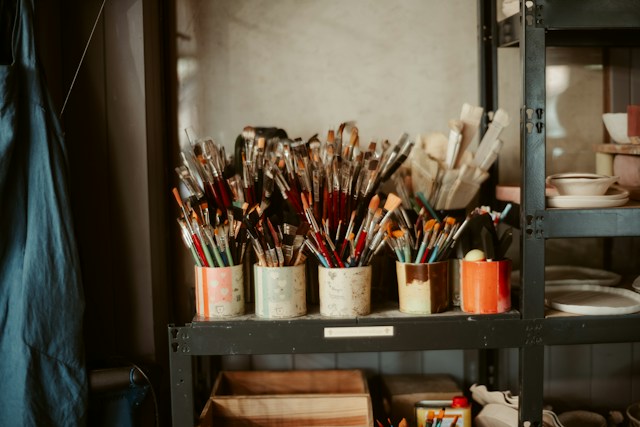
Creative work can release pollutants that linger long after the project is finished and the tools are put away. Paints, adhesives, resins, cleaning products and fine particles may affect indoor air quality, especially in small rooms with limited ventilation. Because many of these hazards are difficult to see, a studio can look clean while still holding irritating dust or chemical vapors.
A safer workshop starts with understanding what enters the air, how it spreads and which controls match the materials you use.

Common Airborne Hazards in Studios
Sanding wood, plaster or dried paint creates fine dust that can remain suspended for hours. Cutting fabric and paper also releases fibers, while spray finishes produce droplets that may travel beyond the immediate work area. Even routine sweeping can push settled particles back into the air.
Chemical products create a different problem. Solvents, coatings, adhesives and resin systems may release volatile organic compounds. The indoor air quality guidance from the National Institute of Environmental Health Sciences identifies indoor pollutants such as volatile organic compounds, mold and particulate matter as potential health concerns. Short-term exposure can contribute to headaches or irritation, while repeated exposure deserves careful attention.
Read every product label and safety data sheet before bringing a material into your studio. Watch for instructions about ventilation, protective equipment and storage. Never assume that a low-odor product produces no emissions.
Your work habits matter too. Open containers, dusty clothing and uncured projects can continue releasing contaminants after a session ends. Close supplies promptly, isolate drying pieces when possible and use a HEPA-filtered vacuum instead of dry sweeping.
Why Typical Box Fans Fall Short
A box fan can make a warm room feel more comfortable, but moving air and cleaning air are separate jobs. A fan placed on a table may spread dust across shelves, finished pieces and nearby living areas. If it blows toward an open door, contaminants may simply move into the hallway.
Window placement also matters. A fan exhausting outdoors needs a source of replacement air, such as another open window away from the discharge point. Without that airflow path, performance may drop. Wind conditions can also push exhausted air back inside.
Higher-control settings sometimes need equipment that captures emissions at their source. Professional facilities evaluating compatible laboratory safety equipment might assess a polypropylene ductless fume hood as part of a formal review based on the substances used, filter requirements and operating procedures. This type of equipment requires proper selection and maintenance. It shouldn’t be treated as a universal solution for every creative workspace.
For a home studio, begin with the manufacturer’s ventilation directions for each product. Avoid improvising with a fan when instructions call for specialized local exhaust or restrict indoor use.
Smarter Containment and Air Cleaners
Source control usually gives you the strongest starting point. Choose lower-emission supplies when they deliver the result you need, keep lids closed and mix only the amount required for the current task. Complete dusty work in a designated zone with doors closed, then clean the area before switching to painting or assembly.
Portable air cleaners can support these measures. A unit with a true HEPA filter captures fine particles, but it doesn’t automatically remove gases or vapors. Activated carbon may help with some gaseous pollutants, although the amount and type of carbon affect performance. Check the cleaner’s specifications and confirm that it addresses your main concern.
Room size is another practical factor. Compare the cleaner’s recommended coverage with the actual studio dimensions and look at its clean air delivery rate. A small desktop device is unlikely to manage a large workshop, particularly during sanding. This guide to art studio air quality offers useful context on ventilation, filtration and common studio pollutants.
Containment helps prevent migration. Use washable floor coverings, seal waste in suitable containers and store work clothes separately from everyday clothing. If the studio shares space with your home, add a door sweep and avoid using a central heating or cooling return as an informal exhaust route.
Creating a Sustainable Studio Protocol
A studio safety plan should be easy enough to follow during a busy project. Start by creating a simple inventory of your materials. Record where each item is stored, what ventilation it requires and how spills or waste should be handled. Remove old products you can’t identify and follow local disposal rules for chemical waste.
Set a routine around the work itself:
- Before starting, open the approved ventilation path and turn on suitable filtration.
- During the task, keep unused containers closed and work close to the capture point.
- Afterward, seal waste, clean surfaces with a HEPA-filtered vacuum or damp method and allow ventilation to continue as directed.
- Each month, inspect filters, duct connections, seals and storage containers.
Filter replacement deserves a written record. A heavily loaded filter can lose effectiveness, and some filters have service limits based on time or contaminant exposure. Follow the equipment manufacturer’s schedule instead of relying only on appearance.
Pay attention to patterns in the room. Dust collecting around a doorway may show that particles are escaping. Persistent odors, eye irritation or headaches signal that work should stop while you review the product directions and ventilation setup. For recurring symptoms or complicated chemical processes, seek advice from a qualified indoor air quality or occupational safety professional.
A well-run studio should support creativity without carrying yesterday’s dust and vapors into tomorrow’s session. Label the date on each new filter and keep the record near your supplies, where it can become part of the normal cleanup routine.