
Health and Wellness
Active Aging with Diabetes: Expert Fitness Advice for Seniors

Key Takeaways
- Regular exercise plays a critical role in managing diabetes for seniors.
- Choosing appropriate activities and integrating technology can boost motivation and consistency.
- Combining physical and mental stimulation improves both glucose control and cognitive health.
- Following established safety guidelines and consulting experts reduces risks and enhances benefits.
Table of Contents
- Understanding the Importance of Physical Activity for Seniors with Diabetes
- Top Exercises for Seniors with Diabetes
- Incorporating Technology to Enhance Exercise Adherence
- Combining Physical and Mental Activities for Cognitive Health
- Safety Tips for Exercising with Diabetes
- Setting Realistic Fitness Goals
- Seeking Professional Guidance
- Conclusion
Understanding the Importance of Physical Activity for Seniors with Diabetes
For seniors living with diabetes, maintaining regular physical activity is fundamental to effective blood glucose management. Exercising not only aids in stabilizing sugar levels but also offers benefits such as improved cardiovascular health, enhanced mobility, and reduced risk of complications associated with diabetes or aging. If you are newly diagnosed or supporting a loved one with diabetes, exploring such lifestyle modifications can be empowering. For example, Alexandra Chipurnoi highlights practical strategies for integrating healthy habits into daily routines, underscoring the importance of regular movement.
Organizations like the American Diabetes Association consistently advocate for various physical activities. Incorporating aerobic exercises, resistance training, and flexibility work can improve seniors’ insulin sensitivity and overall vitality. Exercise also releases endorphins, promoting emotional well-being, which is particularly valuable for older adults navigating chronic health conditions. Studies show that such routines can reduce the risk of heart disease, stroke, and other complications frequently experienced by older adults with diabetes.
Top Exercises for Seniors with Diabetes
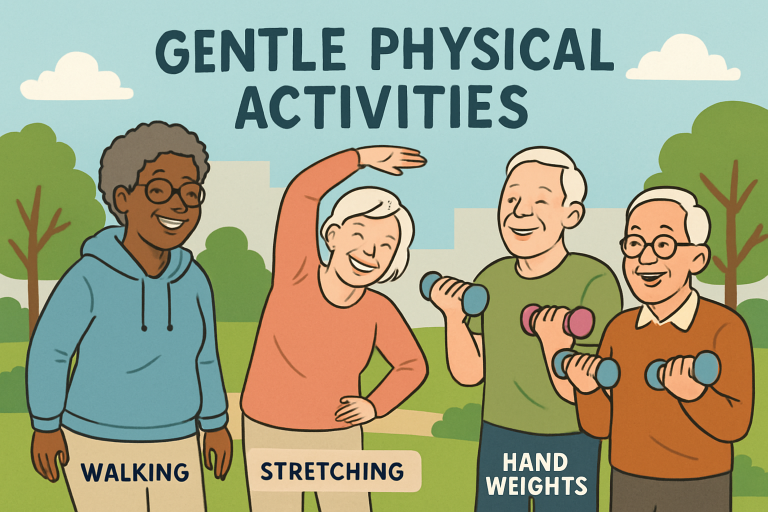
Various physical activities are well-suited for older adults, even those new to regular exercise. Walking remains one of the safest and most effective ways to get moving and manage blood glucose. Even moderate strolls in the park or around the neighborhood can offer cumulative health benefits when done consistently throughout the week. Dancing is another enjoyable way to enhance mobility, flexibility, and cardiovascular health, while yoga supports balance, coordination, and stress reduction.
Strength training is particularly significant, as muscle mass tends to decrease with age—a process that can complicate blood sugar management. Simple hand weights or resistance bands can suffice in a home-based routine. The Centers for Disease Control and Prevention provides additional ideas on how seniors with diabetes can safely introduce varied activities into their routines.
Incorporating Technology to Enhance Exercise Adherence
Today’s digital tools make it easier for seniors to stick with their exercise plans. Mobile health applications often offer daily reminders, personalized exercise recommendations, progress tracking, and goal-setting capabilities. Some platforms further motivate with social features or virtual coaching, and recent research suggests that seniors using such technology may achieve better fitness and glucose outcomes. Families and caregivers can also leverage these apps to provide encouragement, monitor progress, or participate in friendly challenges. According to a 2025 study, digital incentives have positively influenced exercise consistency and overall activity levels in people with type 2 diabetes. For a full review of these strategies, refer to the Forbes Health guide on exercise benefits for older adults.
Combining Physical and Mental Activities for Cognitive Health
While physical exercise is indispensable for blood sugar management, it also crucially supports cognitive wellbeing. Recent findings show that routines blending aerobic and strength exercises with mentally engaging activities—like puzzles, memory games, or learning new skills—can reverse signs of cognitive decline in seniors, helping them maintain independence for longer. These benefits increase even further when combined with a nutrient-rich, diabetes-friendly diet. By adopting an integrated approach to brain and body health, seniors can experience cognitive improvements comparable to being one to two years younger, according to research published in The New York Times.
Safety Tips for Exercising with Diabetes
Hydration and Blood Sugar Monitoring
Staying well-hydrated before, during, and after activity is essential for seniors, particularly for those on medications that can increase the risk of dehydration. Monitoring blood sugar levels before and after exercise helps prevent unexpected highs or lows, allowing individuals to make real-time adjustments to their routines as needed.
Proper Equipment
Wearing appropriate footwear protects against foot injuries, a common concern for people with diabetes who may experience reduced sensation in their extremities. Regular inspection of feet before and after activity can also help prevent sores or infections.
Medical Precautions
People with additional health concerns—such as neuropathy, cardiovascular conditions, or joint issues—should consult their healthcare team for tailored exercise recommendations and clearance before starting new fitness programs. More safety recommendations are available at the AARP Healthy Living Exercise Tips.
Setting Realistic Fitness Goals
Effective habit formation begins with small, manageable goals. Initial objectives might include short walks around the block, easy stretching, or five-minute sessions of light activity. As fitness and comfort grow, gradually increasing duration or intensity helps prevent plateaus and keeps engagement high. The important thing is to prioritize consistency over perfection; even brief daily activities can support longevity and quality of life.
Seeking Professional Guidance
Seniors should check with their primary healthcare providers, diabetes educators, or physical therapists before adopting new exercise plans. These professionals can recommend strategies tailored specifically to address comorbidities or limitations, reducing the likelihood of complications while maximizing health improvements.
Conclusion
Active aging for seniors managing diabetes is possible and empowering when approached with the right exercise strategies, mental engagement, and dietary considerations. Leveraging supportive technologies, establishing personal goals, and prioritizing safety enable seniors to take control of their health, maintain independence, and improve quality of life at every stage.
Active aging for seniors with diabetes is essential! Regular exercise can greatly enhance well-being. Check this out for fun activities: Suika Games.
I’m so glad I found Spa Jolie. I was nervous about lasers and aesthetic treatments, but they made me feel comfortable and safe. The staff explained risks, set expectations, and the results are better than I hoped. Highly recommend for anyone considering aesthetic work. https://www.spajolieny.com/