
House and Home
Smart Strategies for Efficient Home Heating

Key Takeaways
- Regular maintenance keeps your heating system running efficiently and prolongs its lifespan.
- Programmable thermostats provide convenience and control, resulting in noticeable energy savings.
- Insulating and sealing your home are cost-effective measures to retain heat and minimize waste.
- Harnessing natural sunlight and using your home’s layout effectively can reinforce warmth.
- Energy-efficient upgrades and mindful appliance use offer long-term cost reductions.
When winter sets in, finding ways to keep your home comfortably warm without skyrocketing energy bills is crucial. Many homeowners struggle to strike the right balance between efficiency and comfort. Implementing a thoughtful approach combining simple habits and modern technology can help you conserve energy and stay cozy—without stretching your budget. If you’re unsure where to begin or need professional assistance, contacting an HVAC contractor is a smart first step.
Mindfully managing home heating goes beyond adjusting your thermostat. From seasonal maintenance and optimizing insulation to using sunlight advantageously, integrating small changes adds up to significant savings. Whether you’re living in an older home or a newer build, these strategies can transform your approach to home heating and help reduce your household’s carbon footprint.
Regular Maintenance of Heating Systems
Routine checks and maintenance are foundational to efficient home heating. A well-maintained furnace or heat pump is less likely to break down unexpectedly and operates more efficiently, consuming less energy to achieve the same level of warmth. The U.S. Department of Energy highlights that regular tune-ups can reduce heating expenses by as much as 10%. Change your filter every few months, look for signs of wear, and consider an annual service by a certified technician. Addressing these maintenance tasks proactively not only extends the life of your system but also keeps indoor air quality high, reducing potential health hazards.
Installing Programmable Thermostats
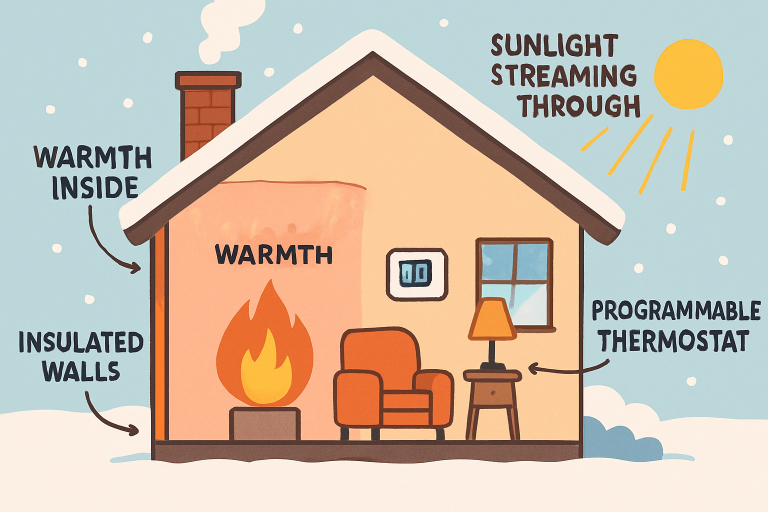
A programmable thermostat is a simple upgrade with a significant payoff. These devices let you schedule temperature settings that align with your daily and weekly routines. By automatically lowering the temperature when you’re asleep or away, energy is conserved without thinking about it. The U.S. Environmental Protection Agency estimates that properly using programmable thermostats can save households up to $180 annually. Many newer thermostats offer Wi-Fi capabilities, allowing changes through a mobile app for even greater convenience.
Enhancing Home Insulation
Insulation is your home’s frontline defense against winter chill. Homes that lack sufficient insulation—especially in attics, walls, and floors—lose significant amounts of heat, causing furnaces to work harder. According to the North American Insulation Manufacturers Association, nine out of ten homes in the U.S. are under-insulated. Investing in higher R-value insulation pays off through lower energy bills and improved comfort. Even small updates like adding weatherstripping to attics or basements can result in noticeable improvements.
Sealing Leaks and Drafts
Air leaks are common culprits of energy waste. Gaps around window frames, doorways, vents, and electrical outlets let warm air seep out, forcing your heating system into overdrive. The Department of Energy reports that sealing these cracks can save up to 20% on heating and cooling costs. Use caulk or expanding foam for stationary cracks and weatherstripping for movable joints. Performing a seasonal sweep to plug any drafts is a simple DIY project that can complement your other efficiency efforts.
Utilizing Natural Sunlight
Letting sunlight do some of the work is both free and effective. South-facing windows are ideal for maximizing passive solar heating. Open curtains and shades during sunny days to let the warmth in, then draw them at night to trap heat. Using heavy thermal curtains can further enhance this effect and help manage your indoor temperature naturally.
Upgrading to Energy-Efficient Appliances
Older, inefficient heating units often consume more energy than necessary. Replacing them with ENERGY STAR-rated appliances can substantially lower your utility bills. The EPA verifies that such units use less energy while maintaining or improving performance. Beyond heaters and furnaces, investing in energy-efficient water heaters and even high-efficiency windows can amplify your home’s energy savings over time.
Using Ceiling Fans to Distribute Heat
Ceiling fans work year-round. When reversed in winter—rotating clockwise at a low setting—they push warm air collected at the ceiling back into the room. This simple trick can make your heating more effective, allowing you to lower the thermostat a few degrees without sacrificing comfort.
Conclusion
Strategically improving your home’s heating efficiency requires a blend of routine maintenance, technology adoption, and common-sense solutions. Take a proactive approach this winter to stay warm, lower your bills, and contribute to a more sustainable future. Whether you make a few simple adjustments or invest in upgrades, these steps offer comfort you can feel—and savings you’ll see year after year.