
Technology
How Streamlined Patient Intake Technology Is Shaping Modern Healthcare

Key Takeaways
- Digital intake systems drastically reduce paperwork and manual errors, expediting the overall admission process.
- AI-driven data management supports personalized treatment decisions and lessens clinicians’ administrative workloads.
- Contactless intake and check-in options are delivering greater safety, efficiency, and satisfaction for patients and providers alike.
- Interoperability is the foundation of modern healthcare workflows, enabling real-time data sharing and coordinated care delivery.
Today’s healthcare landscape is evolving rapidly, with medical providers increasingly recognizing the impact of efficient patient intake processes on care quality and the patient experience. The transition from manual, paper-based workflows to advanced technical solutions marks a pivotal shift in how healthcare organizations manage administrative work, patient data, and clinical resources. Digital intake platforms are at the forefront of this transformation, enabling clinics and hospitals to operate with unprecedented speed and accuracy.
Technologies such as artificial intelligence (AI), contactless check-in, and interconnected medical devices have redefined what’s possible in modern care settings. These solutions not only streamline operational processes but also create safer, more convenient, and patient-centric encounters from the first point of contact. As the healthcare sector faces continued pressures to improve results with fewer resources, adopting advanced patient intake technology has become a strategic imperative for providers and clinics everywhere.
The Shift to Digital Intake Solutions
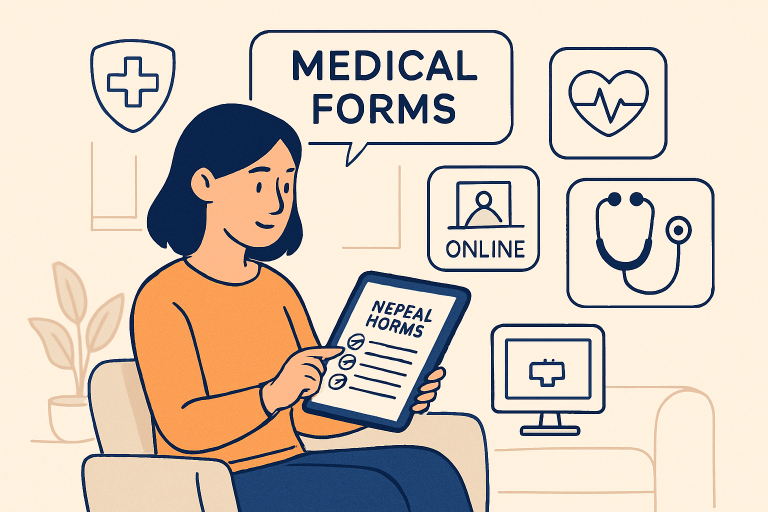
Traditional intake methods, often reliant on physical paperwork and face-to-face interactions, are fast becoming obsolete. Modern digital intake platforms empower patients to complete their medical forms at home before visiting a clinic or hospital, resulting in significant time savings and reduced common data entry errors.
Providers are also enjoying a reduction in staff workload: clinics with fully integrated digital intake report fewer bottlenecks during busy periods and a notable increase in patient throughput. This efficiency not only boosts revenue potential but also allows administrators and medical staff to spend more time focused on direct patient care rather than repetitive clerical tasks.
By embracing digital-first technologies, organizations bring transparency to the intake process, enabling patients to review and correct their information in advance. As a result, medical practices can reduce errors that previously delayed appointments or caused confusion at check-in, thereby setting a higher standard of service for everyone involved.
Artificial Intelligence in Patient Data Management
The rise of artificial intelligence (AI) in patient intake systems marks a significant leap forward for healthcare efficiency. AI tools can sift through vast volumes of patient data, flagging potential problems, identifying relevant clinical trends, and generating recommendations in real time. According to a Forbes report, AI-powered systems can compile accurate medical notes almost three times faster than conventional methods, allowing clinicians to spend less time on paperwork and more time interacting with patients.
Moreover, AI in intake can help tailor the patient’s care pathway by identifying patterns hidden within complex medical histories or demographic data. The ability to surface actionable insights early in the intake process increases the likelihood of appropriate interventions, resulting in improved patient outcomes and more efficient resource allocation within healthcare institutions.
Contactless Check-In: A New Standard
The need to minimize physical contact during the COVID-19 pandemic spurred widespread adoption of contactless technologies in healthcare, accelerating changes now seen as permanent improvements. Digital check-in systems allow patients to verify their identity, complete pre-visit paperwork, and make payments—all from their own mobile devices or computers. Not only does this minimize waiting room crowding, but it also dramatically reduces the risks of infection transmission.
Facilities that have adopted contactless intake have reported dramatic returns on investment, with some seeing labor costs shrink while patient satisfaction scores soared. Patients increasingly expect seamless, self-service experiences similar to those offered by major retailers and banks, making contactless check-in a must-have feature for any modern healthcare provider.
Enhancing Interoperability Among Medical Devices
Seamless device and software integration is essential for modern care coordination. Robust interoperability between electronic health record (EHR) systems and smart medical devices means clinicians can access up-to-the-minute data at the point of care—without redundant data entry. Hospitals and clinics using interoperable technologies report streamlined communication and better decision-making, especially in settings where minutes can mean the difference between life and death.
This holistic approach to data sharing ensures that vital patient information, such as lab results, medications, and allergies, is accessible when it matters most. Clinical teams using integrative dashboards avoid duplication of work, improve diagnostic accuracy, and reduce unnecessary delays, thereby fostering higher-quality care.
Improving Patient Admission Processes
Admission is one of the most resource-intensive points in the healthcare journey. New technology is automating much of this process, enabling real-time insurance verification, pre-authorization checks, and centralized management of the patient journey. Systems that automatically cross-reference insurance databases prior to formal admission protect healthcare providers from costly claim denials and speed up the launch of care plans.
Centralized admission dashboards, linked directly to EHRs, allow multidisciplinary teams to monitor patient progress from intake to discharge. This unified approach keeps every department—from nursing and pharmacy to case management—in sync, dramatically reducing the risk of miscommunication or oversight at crucial junctures in care delivery.
Future Directions in Patient Intake Technology
The future of patient intake lies in even deeper integration of AI, machine learning, and predictive analytics. As these innovations advance, they will not only personalize patient encounters but also anticipate potential bottlenecks or care gaps before they occur. This shift promises to further minimize administrative obstacles while optimizing the allocation of medical staff and resources where they’re needed most.
Ongoing improvements in secure, easy-to-use digital platforms will keep patient data safe while making the healthcare experience faster and more intuitive. As more providers adopt these state-of-the-art solutions, streamlined patient intake will become the norm, paving the way for a healthcare system built on precision, safety, and exceptional patient care.