
Travel
Why Every Nature Lover Should Explore North Bali Before It Changes
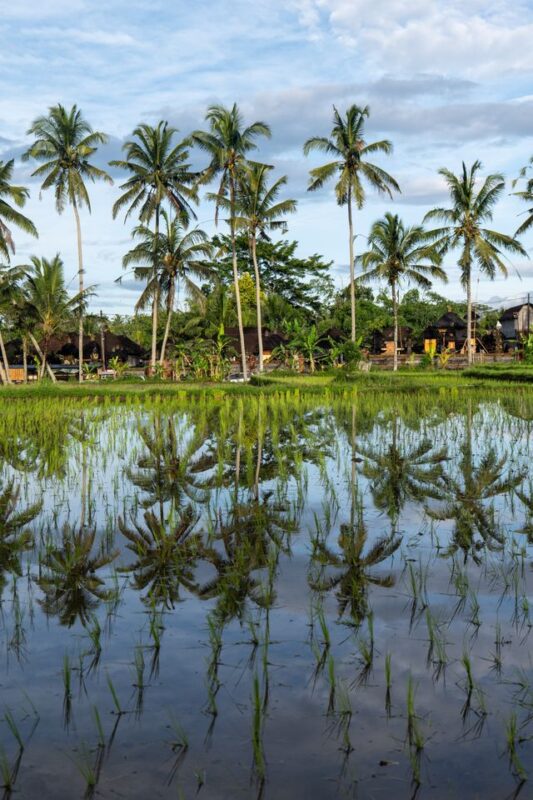
For many travelers, Bali begins with a familiar picture. Sunsets over the coast, lively cafés, beach clubs, and centuries-old temples have long defined the island’s international reputation. Yet beyond these well-known experiences lies a quieter landscape that often receives far less attention. Choosing a north bali tour opens the door to a side of Bali where forests replace busy streets, mountain air replaces coastal humidity, and nature quietly becomes the highlight of the journey.
Unlike the island’s southern region, North Bali doesn’t compete for attention. Its beauty reveals itself gradually, rewarding those willing to slow down and notice the details. It’s the sound of water flowing through the rainforest before a waterfall comes into view. It’s the morning mist drifting across mountain lakes. It’s the feeling of driving through villages where everyday life continues at its own pace.

That quiet authenticity is becoming increasingly rare in today’s travel landscape, making North Bali one of Bali’s most rewarding destinations for anyone who values nature over noise.
The Bali That Still Moves at Nature’s Pace
The journey toward North Bali feels like a gradual transition rather than a sudden arrival.
As the roads climb into Bali’s central highlands, the scenery begins to change almost effortlessly. Rice terraces stretch across rolling hills, tropical forests become denser, and roadside fruit stalls replace rows of souvenir shops. The cooler air offers an immediate reminder that this part of the island follows a different rhythm.
Rather than encouraging visitors to rush between attractions, North Bali invites them to slow down.
Even short stops often become memorable experiences. A scenic overlook reveals layers of mountains disappearing into the distance. A small family-owned café serves coffee grown on nearby plantations. Local farmers tend their fields just as previous generations have done, creating landscapes that feel authentic instead of carefully designed for tourism.
This slower pace isn’t simply part of the scenery. It’s part of the experience itself.
Where Waterfalls Feel Like Discoveries Again
Few places represent North Bali better than its waterfalls.
While some of Bali’s better-known waterfalls attract large crowds throughout the day, many waterfalls in the north remain surrounded by peaceful rainforest, requiring a short walk through nature before revealing themselves.
That journey matters.
Following shaded forest trails, hearing birds overhead, and listening to the growing sound of cascading water creates anticipation that cannot be replicated by a parking lot located beside an attraction.
Destinations such as Banyumala Waterfall and the waterfalls around Munduk continue to remind visitors that nature doesn’t need elaborate facilities to leave a lasting impression. Their beauty comes from simplicity.
Rather than becoming places to quickly capture photographs, they encourage visitors to pause, breathe, and appreciate the environment around them.
For many nature lovers, those quiet moments become the highlight of an entire trip.
Beyond the Coastline, A Landscape Full of Surprises
North Bali offers far more than waterfalls.
Its geography creates remarkable diversity within a relatively small area. Dense tropical forests, volcanic mountains, fertile farmland, peaceful lakes, and dramatic coastlines all exist within a few hours’ drive of one another.
The famous Twin Lakes of Buyan and Tamblingan illustrate this perfectly.
Early in the morning, low clouds often drift across the lakes while the surrounding rainforest remains wrapped in mist. The scenery changes constantly as sunlight slowly reaches the hillsides, creating views that reward patience more than perfect timing.
Further north, volcanic black sand beaches present an entirely different side of Bali.
Rather than rows of beach clubs and lively music, visitors are more likely to find traditional fishing boats resting along the shoreline and local fishermen preparing for another day at sea. The atmosphere feels calm, unhurried, and deeply connected to the island’s natural history.
It is this variety that makes North Bali especially rewarding for travelers who prefer exploration over routine itineraries.
The Connection Between Nature and Everyday Life
One of North Bali’s greatest strengths isn’t found in a single attraction.
It’s found in the relationship between local communities and the surrounding landscape.
Agriculture continues to shape daily life throughout much of the region. Coffee plantations thrive in the cooler highlands, while fertile volcanic soil supports fruit orchards, vegetable farms, and rice fields that have sustained local families for generations.
Along the coast, fishing remains an important tradition.
Rather than existing solely as tourist experiences, these activities continue because they are part of everyday life. Visitors simply have the opportunity to witness them.
This creates a travel experience that feels genuine rather than staged.
Conversations happen naturally in family-run cafés. Local markets offer seasonal produce harvested nearby. Village roads provide glimpses into traditions that continue regardless of how many visitors happen to pass through.
For many travelers, these authentic encounters become just as memorable as North Bali’s landscapes.
Why This Peaceful Region Is Beginning to Change
North Bali’s growing popularity should come as no surprise.
Around the world, travelers are increasingly looking beyond famous destinations in search of quieter experiences and closer connections with nature. As improved roads make the region easier to reach, more visitors are discovering landscapes that were once overlooked.
Growth brings undeniable benefits.
Tourism creates employment, supports small businesses, encourages investment in infrastructure, and offers new economic opportunities for local communities.
At the same time, increased popularity also brings new challenges.
Natural areas experience greater visitor numbers. Development expands to meet demand. Places once known only by local residents gradually become internationally recognized attractions.
This pattern has shaped destinations across the world, and North Bali is beginning to experience that same transition.
Responsible Travel Makes Every Visit More Meaningful
The future of North Bali depends not only on local communities but also on the choices made by visitors.
Responsible travel doesn’t require dramatic sacrifices.
Choosing locally owned accommodations, supporting family-run restaurants, respecting hiking trails, reducing plastic waste, and following local customs all contribute to protecting the landscapes that make North Bali unique.
These simple decisions help ensure that tourism benefits communities while preserving the forests, waterfalls, lakes, and coastlines that attract visitors in the first place.
Sustainable travel is ultimately about balance.
It allows destinations to grow without losing the qualities that made them special.
Some Places Are Best Experienced Before They Change
Every destination evolves.
Improved accessibility, growing international recognition, and expanding tourism create opportunities that can improve local livelihoods while also transforming the character of a place.
North Bali currently exists in a rare moment where those two realities remain in balance.
Its waterfalls still feel peaceful. Mountain viewpoints continue to offer moments of quiet reflection. Coastal villages maintain traditions that have endured for generations, and nature continues to set the pace of daily life.
There is no guarantee that this atmosphere will remain unchanged forever.
Perhaps that’s what makes North Bali so memorable.
Its appeal isn’t built on the biggest attractions or the busiest itineraries. Instead, it offers something that has become increasingly valuable in modern travel: space to slow down, observe carefully, and reconnect with the natural world without constant distraction.
For nature lovers, those experiences often become the stories that remain long after a journey ends. Long after the photographs have been shared and the itinerary has been forgotten, it’s the cool mountain air, the distant sound of a waterfall, and the quiet rhythm of North Bali that continue to leave a lasting impression.