

Key Takeaways
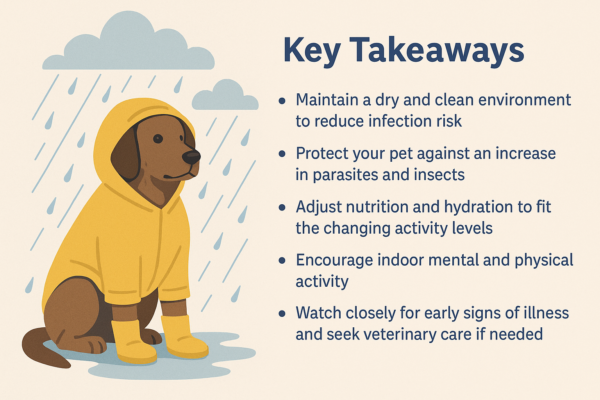
- Maintain a dry and clean environment to reduce infection risk.
- Protect your pet against an increase in parasites and insects.
- Adjust nutrition and hydration to fit the changing activity levels.
- Encourage indoor mental and physical activity.
- Watch closely for early signs of illness and seek veterinary care if needed.
The rainy season is a time of renewal and freshness, but it also brings about unique challenges for pet owners. With increased humidity, puddles everywhere, and muddy lawns, this season can create several health hazards for your furry companions. Being prepared and proactive is key to ensuring your pets remain healthy and happy. If you’re unsure where to start, consider seeking advice from a trusted animal clinic to get expert recommendations tailored to your pet’s needs.
During the monsoon season, pets require proper care for hygiene, nutrition, and mental stimulation to prevent infections, joint pains, and parasites. Consistent care helps pets thrive and prevents health issues. Making minor adjustments to daily routines can reduce risks and make rainy days enjoyable for pets.
Maintain a Dry and Clean Environment
Excessive dampness puts pets at risk of skin problems, fungal infections, and mold allergies. Always keep your pet’s coat as dry as possible—after every walk or play session outside, thoroughly towel dry their fur, including the tummy, paws, and ears. Invest in pet-friendly rain gear like raincoats and waterproof boots to minimize exposure to wet conditions. Change out any damp bedding or mats immediately to keep your pet’s sleeping area dry and comfortable.
Regularly clean and disinfect your pet’s toys, bedding, and food bowls. Dampness can breed bacteria, so make it a habit to air out rooms and use dehumidifiers if necessary. A well-ventilated living space will help keep moisture levels low and discourage the growth of mold or unwanted pests.
Protect Against Parasites During Wet Weather
Monsoons create favorable environments for fleas, ticks, and other parasites to breed. Always check your pet’s coat after outdoor excursions, paying close attention to hidden areas like armpits, behind the ears, and tail base. Schedule regular grooming sessions and utilize vet-recommended anti-parasitic treatments. Stay diligent with worming and vaccination schedules, especially since some vector-borne diseases spike during rainy times. Simple routines like brushing your pet’s fur and bathing with gentle, parasite-preventing shampoos can limit infestations. Also, clean your home environment frequently to reduce flea and tick populations hiding in carpets or furniture.
Ensure Proper Nutrition and Hydration
Pals may be less active during the rainy season, so it’s vital to adjust diet to prevent weight gain while supporting immune health. Lean proteins, fiber-rich foods, and vitamin supplements (if prescribed by a veterinarian) keep pets energized and less prone to illness. Keep water bowls filled with fresh, purified water and clean them daily to avoid any waterborne bacteria that flourish in this season. The American Kennel Club’s dog nutrition guide offers practical ideas on healthy feeding habits. Avoid allowing pets to drink from puddles or stagnant outdoor water, as it may contain bacteria or chemicals that can cause gastrointestinal upset or serious diseases like leptospirosis.
Keep Your Pet Mentally and Physically Stimulated Indoors
When the weather keeps you inside, pets—especially active breeds—can become restless and stressed. Combat boredom with a variety of indoor activities. Interactive games, puzzle feeders, hide-and-seek with treats, and basic training sessions provide vital stimulation. Enrichment activities not only help burn energy but also maintain emotional well-being by reducing anxiety and destructive behaviors.
Rotate toys regularly and introduce new ones occasionally to keep your pet engaged. You can also set up obstacle courses with cushions or tunnels and practice agility commands in a safe space inside.
Be Vigilant for Signs of Illness
The monsoon season weakens immune responses in many pets, leading them to be more prone to infections. Monitor for signs such as lethargy, skin redness, persistent itching, fever, foul odors (especially from ears), watery or red eyes, decreased appetite, digestive troubles, and swollen or painful paws. Promptly seek veterinary attention if any alarming symptoms arise, as early intervention prevents complications.
Maintain Grooming and Hygiene
Well-groomed pets are less likely to suffer from seasonal infections. Bathe your pet using mild, anti-fungal shampoos and always dry their coat thoroughly after every wash or walk. Clean paws with a separate soft towel to prevent irritation or infections from mud and moisture. Routine brushing not only removes dead fur and debris but also lets you spot ticks, fleas, or minor wounds before they worsen.
Provide a Safe and Dry Shelter
During intense storms, ensure your pet has access to a warm, protected, and dry space. Outdoor pets should be brought inside or given a well-insulated shelter to protect them from cold, wind, and rainfall. Elevated beds, soft blankets, and temperature-regulated enclosures help minimize risks of joint pains or respiratory ailments. Avoid leaving pets in damp locations to prevent hypothermia and reduce exposure to pathogens that thrive in moist environments.
Conclusion
Preparation and continuous care ensure your pet enjoys the rainy season in comfort and safety. By focusing on hygiene, nutrition, and regular medical checks, you minimize risks and set your companion up for long-term wellness. Always consider professional guidance from veterinarians and use reliable resources to stay updated on seasonal pet care best practices.