
Technology
From Clicks to Conversions: Modern Digital Marketing Strategies for Growth

The Blueprint for Success: Core Components of a Digital Strategy
A robust digital marketing strategy serves as the foundational blueprint for all your online endeavors. Without it, even the most innovative campaigns can fall flat, lacking direction and measurable impact. But what exactly constitutes a digital marketing strategy, and how does it differ from the everyday marketing campaigns and tactics we often hear about?
A digital marketing strategy is a high-level, long-term plan that outlines how your business will achieve its overarching marketing objectives through digital channels. It’s about what you want to achieve and why. Marketing campaigns, on the other hand, are specific, time-bound initiatives designed to achieve particular goals within the broader strategy. They define how you’ll get there. Tactics are the granular, actionable steps taken within a campaign-the doing.
Think of it this way: Your strategy is the architectural plan for a house. Your campaigns are the construction phases (e.g., laying the foundation, framing the walls). Your tactics are the individual actions within those phases (e.g., pouring concrete, hammering nails).

This distinction is crucial for maintaining focus and ensuring every effort contributes to your ultimate business goals. A successful digital marketing strategy is built on a clear framework that typically encompasses four core components: defined objectives, a deep understanding of your audience, a realistic budget, and measurable metrics. These elements work in concert to guide your decisions and optimize your path to success.
A major part of this framework is your online presence. Your website is often the first place people go to learn about your business. Having a clean, easy-to-use site is necessary to make a good first impression. For businesses looking to build a strong online foundation, professional web design melbourne is a smart investment. This helps you turn visitors into customers and supports your overall marketing goals.
Defining Your Goals and Objectives
The first step in crafting any effective strategy is to articulate what you aim to achieve clearly. Your goals should be ambitious yet attainable, and, crucially, aligned with your overall business objectives. We advocate for the SMART framework when setting your goals: Specific, Measurable, Achievable, Relevant, and Time-bound.
For instance, rather than a vague goal like “increase sales,” a SMART objective would be “increase online sales by 15% within the next six months through targeted social media advertising and email marketing campaigns.” This provides a clear target and a timeline. Common digital marketing goals include:
- Brand Awareness: Increasing visibility and recognition for your company.
- Lead Generation: Attracting potential customers and gathering their contact information.
- Customer Acquisition: Converting leads into paying customers.
- Customer Retention: Encouraging repeat business and fostering loyalty.
- Market Share Growth: Expanding your presence within your industry.
Setting measurable benchmarks from the outset allows you to track progress, identify successes, and pivot when necessary. These objectives will directly influence the channels you choose, the content you create, and the budget you allocate.
Understanding Your Audience with Buyer Personas
Once your goals are set, the next critical step is to understand who you are trying to reach. This is where buyer personas come into play. A buyer persona is a semi-fictional, generalized representation of your ideal customer, based on market research and real data about your existing customers.

Developing detailed buyer personas goes beyond basic demographics. It involves delving into psychographics, understanding their motivations, pain points, challenges, interests, and online behaviors.
- Demographics: Age, gender, income, location, occupation, and education level.
- Psychographics: Values, attitudes, interests, lifestyle, personality traits.
- Pain Points: What problems are they trying to solve? What frustrations do they experience?
- Online Behavior: Where do they spend their time online? What social media platforms do they use? What types of content do they consume?
This deep audience analysis allows you to tailor your messaging, choose the most effective channels, and create content that truly resonates. We gather this data through various methods, including customer surveys, interviews, website analytics, and social media insights. Making assumptions about your audience can lead to misdirected efforts and wasted resources. By truly understanding your buyer personas, you can craft a customer journey that speaks directly to their needs and guides them toward your solutions.
How to Build Your Digital Marketing Strategy, Step-by-Step
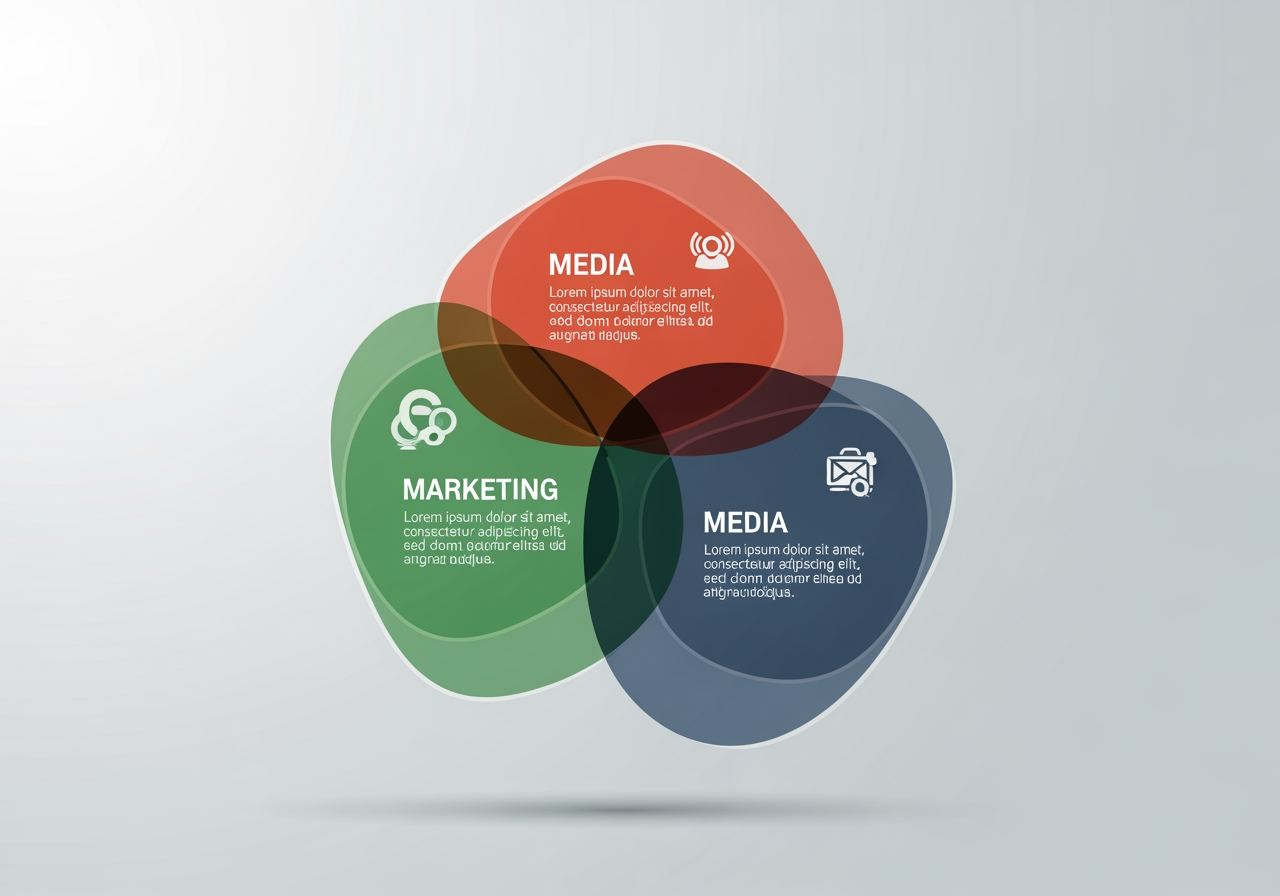
Building a successful digital marketing strategy is a systematic process, not a one-time event. It requires careful planning, execution, and continuous optimization. We break it down into manageable steps, ensuring every aspect of your online presence works harmoniously towards your objectives. This process often involves evaluating your owned, earned, and paid media, planning your content, and defining clear KPIs.
Step 1: Audit Your Existing Digital Channels and Assets
Before you can build a new strategy, you need to understand the current state of your digital ecosystem. This involves a comprehensive audit of all your existing digital channels and assets. We look at:
- Website Audit: Performance, user experience (UX), mobile-friendliness, SEO health, conversion paths.
- Social Media Evaluation: Platform presence, audience engagement, content performance, brand sentiment.
- Content Inventory: A review of all your existing content (blog posts, videos, whitepapers, etc.) to identify gaps, opportunities, and what resonates most with your audience.
- SEO Performance: Current rankings for key terms, organic traffic trends, backlink profile, and technical SEO issues.
- Past Campaign Analysis: What worked? What didn’t? What were the key learnings from previous digital marketing efforts?
This audit provides a clear picture of your strengths, weaknesses, and opportunities, laying the groundwork for informed strategic decisions.
Step 2: Plan Your Owned, Earned, and Paid Media
With a thorough audit complete, the next step is to plan how you will leverage your owned, earned, and paid media to achieve your goals.
- Owned Media: These are the digital assets your brand or company controls entirely, such as your website, blog, social media profiles, and email lists. Our focus here is on creating a content creation plan and content calendar that align with your buyer personas and the customer journey stages. This includes blog posts, videos, infographics, and more, all designed to provide value and establish authority.
- Earned Media: This refers to third-party content about your business that isn’t paid for, like press mentions, media coverage, customer reviews, and social shares. Planning for earned media involves a PR strategy and influencer outreach. By encouraging positive word of mouth and cultivating relationships with relevant media and influencers, you can build credibility and expand your reach organically. The affiliate marketing industry was estimated at $13 billion in 2023, highlighting the power of third-party endorsements. For companies selling complex services to other businesses, specialist PR for B2B can help turn technical expertise, executive insight and company developments into credible stories suitable for trade and business media.
Bringing these elements together requires a holistic view, often managed through Lotiva’s digital marketing strategies that align every tactic with the overarching goal.
Step 3: Define and Track Your Key Performance Indicators (KPIs)
A strategy is only as good as its measurable results. Defining and tracking Key Performance Indicators (KPIs) is essential for monitoring the success of your digital marketing efforts. KPIs are specific metrics that directly reflect your progress towards your goals.
- Conversion Rate: The percentage of visitors who complete a desired action (e.g., making a purchase, filling out a form).
- Cost Per Lead (CPL): The average cost to acquire a new lead.
- Customer Lifetime Value (CLV): The predicted revenue that a customer will generate over their relationship with your business.
- Website Traffic: Total visitors, unique visitors, traffic sources, and bounce rate.
- Social Media Engagement: Likes, shares, comments, reach, and follower growth.
- Marketing ROI: The financial return generated from your marketing investments.
Tools like HubSpot’s reporting dashboard can help you consolidate data and visualize your KPIs, making it easier to identify what’s working and what needs adjustment. By consistently monitoring these metrics, we can make data-driven decisions to optimize campaigns and ensure your strategy remains effective.
The 7 Key Levers: Essential Digital Marketing Strategies
The digital landscape offers a diverse array of channels, each with its unique strengths and applications. Understanding these “levers” and how to integrate them is paramount to a successful digital marketing strategy. We’ll explore the primary types of digital marketing, highlighting their importance and how they contribute to overall business growth.

While the core principles remain, digital marketing strategies often differ significantly for B2B (business-to-business) versus B2C (business-to-consumer) businesses. B2B typically involves longer sales cycles, higher price points, and a focus on building relationships and demonstrating ROI to multiple decision-makers. B2C, conversely, often aims for quicker conversions, emotional connections, and broader reach.
Feature B2B Digital Marketing B2C Digital Marketing
Primary Goal Lead generation, relationship building, thought leadership Sales, brand awareness, customer loyalty
Target Audience: Businesses, decision-makers, industry professionals, and Individual consumers
Buying Cycle Long, complex, multiple stakeholders Shorter, more emotional, individual purchasing
Key Channels: LinkedIn, email, webinars, content marketing, SEO, Instagram, TikTok, Facebook, influencer marketing, PPC
Content Focus: Educational, informative, data-driven, case studies. Entertaining, aspirational, product-focused, promotions. Search Engine Optimization (SEO)
SEO is the practice of optimizing your website to rank higher in search engine results pages (SERPs), increasing organic (unpaid) traffic. It’s a long-term investment that yields significant returns. We focus on three main pillars:
- Keywords: Identifying the words and phrases your target audience uses to search for information related to your products or services.
- On-Page SEO: Optimizing individual web pages to rank higher and earn more relevant traffic in search engines. This includes optimizing titles, meta descriptions, content, images, and internal linking.
- Off-Page SEO: Activities done outside of your website to improve its search engine ranking, such as building high-quality backlinks and social media promotion.
- Technical SEO: Ensuring your website’s technical foundation is sound so search engine crawlers can efficiently access, crawl, and index your content. This includes site speed, mobile-friendliness, and structured data.
For a comprehensive understanding, Moz’s beginner’s guide to SEO is an excellent resource. A good SEO strategy also considers user experience (UX) and the growing importance of voice search optimization, as experts predict a significant portion of searches will soon be screenless.
Content Marketing
Content marketing is the strategic approach to creating and distributing valuable, relevant, and consistent content to attract and retain a clearly defined audience—and ultimately to drive profitable customer action. It’s about telling your brand’s story and providing solutions.
- Brand Authority: High-quality content establishes your business as a thought leader and trusted resource in your industry.
- Storytelling: Engaging narratives build emotional connections with your audience.
- Formats: blog posts, articles, videos, e-books, white papers, case studies, infographics, and podcasts. Adobe’s take on content marketing emphasizes its long-term nature and ability to attract users continuously.
Content marketing supports other digital marketing efforts, fueling your SEO with keyword-rich articles and providing valuable material for social media and email campaigns. With 52% of shoppers worldwide reporting that they buy online at least once a week, compelling content is crucial for guiding purchasing decisions.
Social Media Marketing (SMM)
Social Media Marketing involves using social media platforms to connect with your audience, build your brand, increase sales, and drive website traffic. It’s a dynamic channel for direct engagement.
- Brand Awareness & Community Building: Platforms like Facebook, Instagram, TikTok, and LinkedIn allow you to showcase your brand personality and foster a loyal community. Statista reports that 86% of industry professionals stated that increased exposure for their company was the leading benefit of social media marketing in 2023.
- Engagement: Interacting with your audience through comments, messages, and user-generated content (UGC) builds relationships.
- Social Commerce: Many platforms now offer direct shopping features, streamlining the path from finding to purchasing. Nearly 7 in 10 shoppers report using social media for either shopping inspiration or to make purchases directly.
Platform selection is key; your strategy should focus on where your target audience spends their time. For instance, TikTok’s rise from its 2016 launch to surpassing older platforms in active users underscores the need for continuous adaptation.
Many businesses now focus on building private communities on platforms like Facebook to build direct relationships. These groups are a space for deep engagement with highly interested users. Once a community is active, owners often look for ways to generate revenue from their audience. Learning how to monetize facebook group traffic is a common step for creators who want to turn engagement into steady income. This approach works well because group members already trust the brand and its recommendations.
Email Marketing
Email marketing remains one of the most effective digital marketing channels for nurturing leads and retaining customers. It allows for direct, personalized communication.
- Personalization & Segmentation: Tailoring content to specific audience segments based on their interests and behaviors significantly increases engagement. Emails with personalized subject lines drive 30% more opens and 50% more click-throughs.
- Nurture Campaigns: Automated email sequences guide leads through the sales funnel, providing valuable information at each stage.
- Automation: Setting up triggers for welcome emails, abandoned cart reminders, and post-purchase follow-ups saves time and ensures consistent communication.
According to the AMA, successful email marketing pros understand optimal audience outreach, analyze customer interactions, and make strategic decisions based on data. AMA’s view on email marketing skills underscores the importance of data analysis and compelling campaign creation. With a reported ROI of 4,400%, email marketing delivers significant returns.
Pay-Per-Click (PPC) Advertising
PPC is a model of internet marketing in which advertisers pay a fee each time one of their ads is clicked. Essentially, you’re buying visits to your site rather than trying to “earn” them organically.
- Google Ads: The most popular PPC platform, allowing you to bid on keywords to appear at the top of search results. Google AdWords campaigns are highly effective for capturing intent.
- Social Media Ads: Paid advertisements on platforms like Facebook, Instagram, and LinkedIn offer robust targeting options based on demographics, interests, and behaviors.
- Retargeting: Showing ads to users who have previously visited your website, reminding them of your products or services. This can make visitors 70% more likely to convert.
- Budget Control & Geographic Targeting: PPC offers precise control over spending and allows you to tailor ads to specific locations, which is particularly beneficial for local businesses.
PPC provides immediate visibility and can be scaled up or down based on your budget and campaign performance, making it a flexible component of your digital strategy.
Affiliate and Influencer Marketing
These strategies leverage the trust and reach of third parties to promote your products or services.
- Affiliate Marketing: A performance-based marketing strategy where businesses reward one or more affiliates for each visitor or customer brought by the affiliate’s own marketing efforts. The $13 billion affiliate marketing industry demonstrates its massive scale.
- Influencer Marketing: Partnering with individuals who have a dedicated social following and credibility in a specific niche. Influencers can create authentic content that resonates with their audience, building trust for your brand.
- Trust Building & Reach Expansion: Both methods tap into existing audiences, leveraging their trust in the affiliate or influencer to introduce them to your brand.
- Micro-influencers vs. Macro-influencers: While macro-influencers have vast reach, micro-influencers often have higher engagement rates and can be more cost-effective for targeted campaigns.
These strategies are powerful for expanding brand awareness and driving conversions, especially when integrated with strong content and social media efforts.
Integrating Your Efforts for Maximum Impact
The true power of digital marketing lies not in isolated channels, but in their seamless integration. Cross-channel marketing ensures a consistent brand message and a cohesive customer journey across all touchpoints. We map the customer journey, ensuring that each digital lever complements the others and guides prospects from awareness to conversion and beyond. Bringing these elements together requires a holistic view, often managed through comprehensive digital marketing solutions that align every tactic with the overarching goal. This integrated approach maximizes impact, reinforces your brand message, and optimizes the overall customer experience.
Measuring Success and Future-Proofing Your Approach
In the dynamic world of digital marketing, measurement and adaptability are key. We don’t just launch strategies; we continuously monitor, analyze, and refine them. This iterative process, driven by data analysis and informed by emerging trends, ensures your strategy remains effective and future-proof.

Key KPIs for Measuring Digital Marketing Success
Beyond the general KPIs discussed earlier, we dig into specific metrics to gauge the health and effectiveness of your digital marketing strategy:
- Marketing ROI: The ultimate measure of success, demonstrating the financial return on your marketing investment.
- Customer Acquisition Cost (CAC): The total cost of sales and marketing efforts needed to acquire a new customer.
- Conversion Rates by Channel: Understanding which channels are most effective at driving desired actions.
- Website Traffic Sources: Identifying where your visitors are coming from (organic search, social, referral, direct, paid).
- Bounce Rate: The percentage of visitors who leave your site after viewing only one page.
- Average Session Duration: How long users spend on your website.
The goal is to build data-driven digital marketing strategies that are both responsive and effective, allowing for agile adjustments and continuous improvement. By tracking these KPIs, we gain actionable insights that inform our optimization efforts.
The Future of Digital Marketing Strategies
The digital landscape is in constant flux, driven by technological advancements and evolving consumer behaviors. Staying ahead requires an understanding of current trends and a forward-looking perspective.
- AI in Marketing: Artificial Intelligence is revolutionizing personalization, content creation, data analysis, and customer service (e.g., chatbots and predictive analytics). We’re seeing more sophisticated AI-powered tools for everything from SEO to ad optimization.
- Voice Search Optimization: With the proliferation of smart speakers and voice assistants, optimizing content for conversational queries is becoming increasingly important.
- Video Marketing Growth: Video continues its dominance as a preferred content format. YouTube reported more than two billion monthly logged-in viewers, and platforms like TikTok are reshaping how brands engage with audiences. By 2024, the average time spent on the phone in the U.S. is expected to reach 4 hours and 39 minutes, much of which will be spent on video.
- Privacy Changes: Stricter data privacy regulations (like GDPR and CCPA) and the phasing out of third-party cookies are forcing marketers to rely more on first-party data and build direct customer relationships.
- Metaverse & Augmented Reality (AR): While still nascent, these immersive technologies offer new frontiers for brand experiences and customer engagement.
Embracing these trends and integrating them thoughtfully into your strategy will be crucial for long-term success.
Frequently Asked Questions about Digital Marketing Strategies
What is the difference between a digital marketing strategy and a marketing campaign?
A digital marketing strategy is the high-level, long-term plan that guides all your online marketing efforts toward achieving business goals. It defines what you want to achieve and why. A marketing campaign is a specific, time-bound set of actions within a strategy designed to achieve a particular objective, such as launching a new product or increasing sign-ups for an event. Campaigns define how you’ll get there.
Which digital marketing strategy is most important?
There is no single “most important” strategy; the best approach depends on your specific business goals, target audience, and available budget. However, a strong foundation in SEO and Content Marketing is often considered crucial as it supports most other digital efforts by driving organic traffic, building brand authority, and providing valuable content for different channels. Without visibility and useful information, other strategies may struggle to gain traction.
How often should I update my digital marketing strategy?
While your overarching strategy should be a long-term guide, we recommend reviewing and adjusting your tactics and channel focus quarterly or semi-annually—the digital landscape changes rapidly with new technologies, algorithm updates, and evolving consumer behaviors. Regular reviews allow us to adapt to new trends, respond to competitor actions, and optimize performance based on the latest data. Your core strategic goals might remain constant for years, but the methods to achieve them should be agile and responsive.
Conclusion
In an increasingly competitive online world, a well-crafted digital marketing strategy is no longer a luxury but a necessity for sustainable growth. We’ve explored how a clear strategy differs from campaigns and tactics, and the core components—goals, audience, budget, and metrics—that underpin it. We’ve also walked through the step-by-step process of building a strategy, from auditing assets to planning media, and dug into the seven key levers that drive online success.
A customer-centric approach, coupled with continuous measurement and an adaptable mindset, will empower your business to navigate the complexities of the digital landscape. By integrating your efforts across channels and embracing emerging trends like AI and video, you can transform clicks into conversions and ensure your brand not only survives but thrives. The power of a unified strategy for sustainable growth is undeniable; it’s the roadmap to unlocking your full online potential.
Freedom of belief is a vital right that lets individuals form, change, or reject religious and spiritual views without fear. Understanding What is freedom of religion https://chasewhatmatters.today/ means recognizing its role in protecting personal identity, dignity, and moral choice. This freedom fosters tolerance, peaceful coexistence, and open dialogue in diverse societies. By safeguarding it, communities promote inclusion, reduce discrimination, and ensure that people can live according to their convictions safely and respectfully.