
House and Home
How Heat Pumps Are Transforming Home Heating

Key Takeaways
- Heat pumps have surpassed gas furnaces in sales, reflecting a pivotal shift toward sustainable home heating.
- These devices deliver both heating and cooling, bolstering year-round efficiency and reducing emissions.
- Supportive government policies and ongoing innovations are accelerating the adoption of heat pump technology in homes.
Table of Contents
- Rising Popularity of Heat Pumps
- How Heat Pumps Work
- Benefits of Heat Pumps
- Government Initiatives and Incentives
- Technological Advancements
- Challenges and Considerations
- Future Outlook
Homeowners seeking efficient, environmentally conscious heating solutions are increasingly discovering the benefits of heat pumps. These systems, which provide both heating and cooling, are gradually replacing conventional options in households nationwide. For those in colder climates, solutions like cold-climate heat pump installation in Toronto are helping to popularize these advanced systems in cities where winters can be extreme. As the demand for efficient, greener energy grows, heat pumps are positioned at the forefront of the future of home comfort.
Heat pumps not only improve home energy efficiency but also contribute meaningfully to carbon reduction targets. As governments and homeowners seek to balance everyday needs with climate responsibility, the growing prominence of heat pumps marks a major turning point in how we approach residential heating. Their influence is even more pronounced as policies and incentives continue to favor electric heating over traditional fossil-fuel-based systems.
Rising Popularity of Heat Pumps
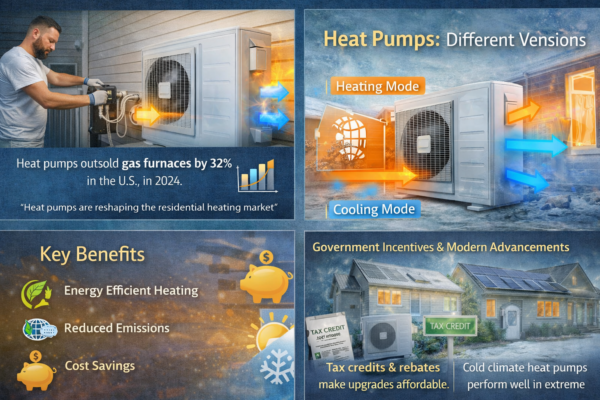
In 2024, for the first time on record, heat pumps outsold gas furnaces by a striking 32 percent margin in the United States. This milestone illustrates not just a trend but a significant shift in the standard approach to residential heating. Demand is fueled by growing consumer interest in sustainable living and increased confidence in the technology among both contractors and homeowners.
The increased sales can also be attributed to widespread availability, improved understanding of heat pump benefits, and greater emphasis on the impact of changing environmental regulations. According to the U.S. Department of Energy, industry experts anticipate continued dominance for heat pumps as climate priorities reshape product markets across North America.
How Heat Pumps Work
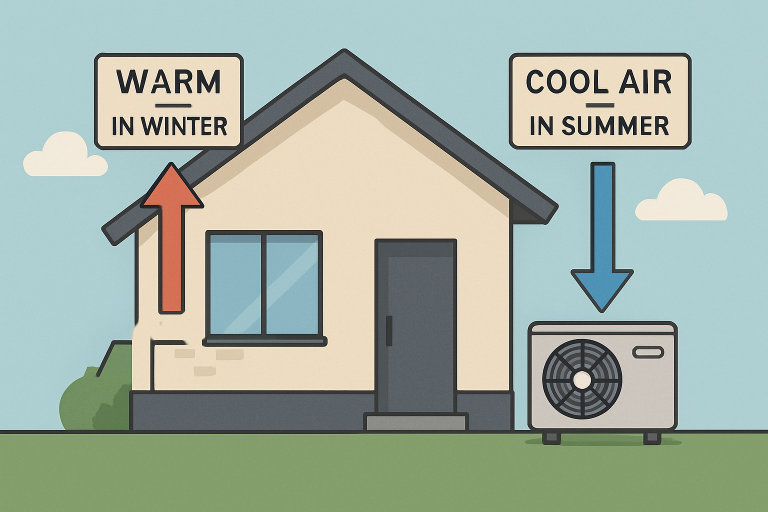
Unlike conventional furnaces that produce heat by burning fuel, heat pumps operate on a principle of heat transfer. When in heating mode, they extract latent heat from outdoor air (even on cold days) and move it indoors. When temperatures rise, reversing the system removes heat from inside the home and releases it outside, transforming the heat pump into an effective air conditioner. This two-in-one capability allows homeowners to achieve energy-efficient climate control year-round without installing separate systems.
Benefits of Heat Pumps
Adopting heat pumps brings a host of advantages that appeal to homeowners focused on efficiency, sustainability, and cost-effectiveness:
- Energy Efficiency: Heat pumps can deliver up to three times the energy they consume, making them far more efficient than traditional furnaces or boilers.
- Lower Environmental Impact: Because heat pumps run on electricity rather than burning on-site fossil fuels, they help reduce household carbon emissions and support clean energy transitions.
- Cost Savings Over Time: Though initial installation costs can be higher, operating costs are often significantly lower thanks to reduced energy use, resulting in long-term savings on utility bills.
- Higher Home Resale Value: Property data shows that homes equipped with modern heat pumps typically sell for 4-7% more than comparable properties with older heating technology.
For homeowners considering upgrades, resources such as the U.S. Department of Energy offer valuable guidance and reviews to help you choose the ideal system for your needs.
Government Initiatives and Incentives
Federal, state, and local governments are increasingly offering incentives to ease the transition to heat pump technology. In the United States, for example, a coalition representing 25 state governors has joined with federal agencies to target a fourfold increase in heat pump installations by 2030. This commitment is backed by tax credits, rebates, and special grant programs that make high-efficiency systems more accessible to homeowners. These policy moves are mirrored in Canada and parts of Europe, where similar programs help cover the initial costs of adopting heat pumps.
Technological Advancements
Notably, recent advancements have extended the utility of heat pumps to much colder regions. Modern systems remain highly efficient at temperatures as low as minus 15 degrees Fahrenheit, thanks to improved refrigerants, enhanced compressors, and refined control systems. These changes mean that even households in northern cities and rural communities can install a heat pump and expect reliable performance through the harshest winter months. Integration with renewable energy sources, such as solar panels, further enhances sustainability.
Challenges and Considerations
Despite their robust benefits, there are important considerations for homeowners weighing a switch to heat pump heating:
- Upfront Installation Costs: The cost of purchasing and installing a heat pump is often higher than that of a gas furnace or boiler. However, available government incentives and the potential for reduced energy bills can quickly offset initial expenses.
- Managing Cold Climate Performance: Although today’s cold-climate heat pumps outperform earlier generations, in extremely frigid environments, a supplementary heat source may still be required to ensure uninterrupted comfort.
- Home Infrastructure Needs: Some older homes need electrical upgrades or modifications to accommodate these high-efficiency systems. Homeowners are encouraged to consult a qualified installer to assess compatibility and requirements before making the switch.
Future Outlook
Looking ahead, the heat pump will likely become the default home heating solution as technology continues to evolve and as governments commit more strongly to emissions reductions. Policy momentum, advanced product innovation, and rising consumer awareness are set to drive even faster growth. With their efficiency, versatility, and contribution to lowering emissions, heat pumps are positioned as a cornerstone of future-ready, sustainable home comfort systems.
For more guidance on heat pump technology and its adoption, refer to the U.S. Department of Energy’s comprehensive resources.