
Health and Wellness
Why Preventive Care Matters in Musculoskeletal Health

Key Takeaways
- Preventive care helps detect and manage musculoskeletal issues early before they become chronic.
- Poor posture, long sitting hours, and repetitive movements increase the risk of MSK problems.
- Exercise, stretching, and ergonomic adjustments are key prevention strategies.
- MSK disorders can lead to significant health and economic costs.
- Early evaluation and consistent self-care improve long-term mobility and comfort.
- Workplace support and awareness play an important role in prevention.
- Prioritizing prevention helps maintain long-term physical health and function.
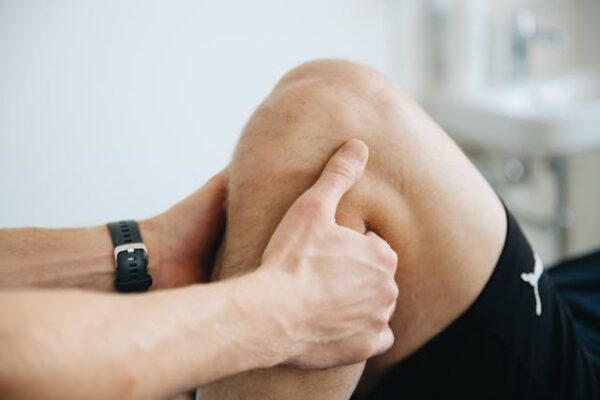
Musculoskeletal health plays a central role in overall well-being, affecting mobility, posture, and daily comfort. Preventive care focuses on identifying and addressing early signs of strain or imbalance before they develop into chronic conditions. With modern lifestyles often involving long hours of sitting, repetitive movements, and limited physical activity, issues such as back pain, joint stiffness, and muscle fatigue have become increasingly common. Understanding how the body moves and responds to stress can help individuals make informed choices that support long-term physical function and reduce the risk of injury.
Preventive strategies often include exercise, ergonomic adjustments, and early evaluation of persistent discomfort to maintain musculoskeletal balance. In some cases, individuals exploring options such as improved posture support or manual therapy may search for “chiropractor near me” to understand available care pathways, though preventive care is generally guided by a range of health professionals and overall awareness of self-care practices. Consulting a qualified professional can help determine whether specific approaches are appropriate for an individual’s condition.
Understanding Musculoskeletal Health
The musculoskeletal system consists of a network of bones, muscles, ligaments, tendons, and joints—structures that enable mobility and provide physical support. Healthy MSK systems allow us to walk, run, lift, and reach. When disorders occur, these basic actions can become challenging. Conditions like osteoarthritis, repetitive strain injuries, osteoporosis, and chronic lower back pain are influenced by genetics, lifestyle habits, occupational stressors, and environmental exposures.
The Economic Impact of MSK Disorders
MSK disorders have far-reaching consequences beyond physical pain. Economically, they represent a substantial burden on society. According to the U.S. Centers for Disease Control and Prevention (CDC), hundreds of billions of dollars are spent annually on direct medical care and loss of productivity due to MSK conditions. These costs are felt by employers through sick days and decreased efficiency, and by individuals who face lost income and medical bills. By making MSK health a public priority, national economies and local businesses alike can benefit from reductions in absenteeism and disability claims.
Benefits of Preventive Care
Preventive care for MSK health is multifaceted. By adopting habits such as regular movement, strength training, and flexibility exercises, individuals strengthen muscles and support joint function, reducing the risk of future injuries. Ergonomic adjustments in the workplace or at home further reduce the risk of strains and repetitive-motion injuries. Adults who incorporate preventive MSK care into their routine experience fewer injuries, improved daily function, and lower rates of chronic pain as they age.
Regular medical checkups and screenings can also identify early warning signs of MSK disorders, allowing for prompt intervention. These early actions not only mitigate the progression of the disease but also reduce long-term costs and the availability of treatment options.
Implementing Preventive Strategies
Regular Exercise
Routine physical activity that balances strength training, cardiovascular fitness, and flexibility, such as yoga or stretching, strengthens the musculoskeletal framework. These activities mitigate age-related bone loss and muscle weakness and improve coordination, making everyday tasks easier and safer.
Ergonomic Assessments
Properly designed workspaces and safe lifting techniques decrease the risk of work-related MSK disorders. Simple changes, such as adjusting chair height, repositioning the monitor, or adopting standing desks, can yield notable improvements in posture and reduce discomfort.
Education and Training
Individuals who are knowledgeable about body mechanics, proper lifting practices, and the value of physical activity are more likely to protect their MSK health in the long term. Workforce training sessions or educational seminars may lower injury rates and boost morale.
The Role of Employers in MSK Health
Employers are uniquely positioned to foster a culture of MSK well-being. Practical investments, such as on-site physical therapy, scheduled wellness breaks, and accessible ergonomic assessments, can drastically reduce injury rates and associated costs. Employers that prioritize preventive MSK care report higher employee satisfaction and lower staff turnover. Companies that create supportive environments help employees maintain better health and productivity, especially as they age.
Challenges in Preventive MSK Care
- Lack of Awareness: There is often a gap in understanding the importance of preventive strategies for MSK health. Many do not realize that small, consistent habits have a profound impact on physical condition over time.
- Access to Care: In rural or underserved areas, preventive health services may be limited, making early intervention challenging.
- Cost Concerns: Some view preventive care as an unnecessary expense, failing to consider the potential for substantial long-term savings.
Conclusion
Preventive care is essential for maintaining musculoskeletal health throughout life. By taking simple steps, such as engaging in physical activity, seeking ergonomic guidance, and promoting early interventions, individuals and organizations can reduce the impact of MSK disorders. The result is healthier communities and meaningful reductions in economic and personal costs associated with musculoskeletal decline. Making musculoskeletal health a top priority will pave the way for active, independent, and pain-free lives.