
Travel
Why Border Entry Requirements Matter During Multi-Country European Travel
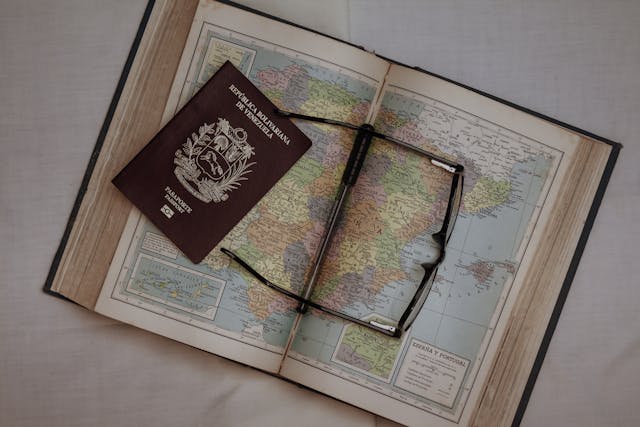
Planning a European trip across multiple countries feels incredibly easy while watching travel reels online. Someone books flights into Spain, adds a few train rides through France and Italy, maybe squeezes in Amsterdam for a few days, and suddenly the itinerary looks perfect, sitting neatly inside a notes app. Then the actual logistics start showing up. Passport validity rules suddenly matter. Train schedules no longer line up smoothly. Airlines start asking for documents at check-in. Border officers ask questions people never even thought about preparing for beforehand.
Often, travellers underestimate how quickly multi-country trips become documentation-heavy once several borders, airlines, and entry systems get involved at the same time. Europe may feel connected geographically, though entry requirements still affect how smoothly people move between countries during longer trips.
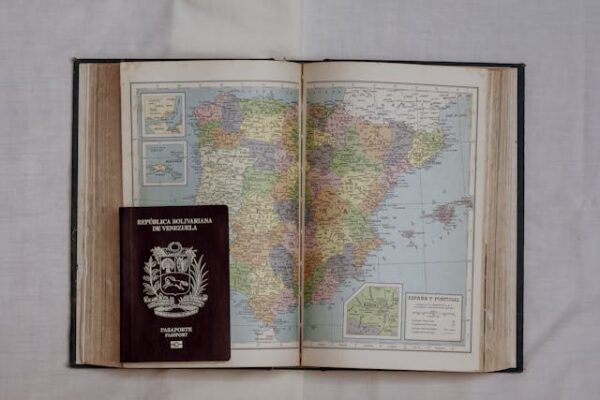
Researching Visa Rules Before European Trips
Travellers planning multi-country Europe trips now spend more time researching entry rules because border requirements have become something people can no longer casually “figure out later.” A person may assume visiting several European countries works under one simple process, then realise different airlines, consulates, and entry checkpoints still expect very specific documentation depending on nationality, trip length, and travel route. Once multiple countries enter the itinerary, even small visa misunderstandings can affect flights, train connections, and hotel bookings across the entire trip.
Moreover, this becomes especially important for travellers beginning their itinerary in countries with high tourism traffic and stricter entry preparation expectations. Someone planning time across Spain, France, and Italy may start researching entry requirements months before departure because the Spain tourist visa process often becomes part of a larger Schengen travel planning overall. Travellers increasingly understand that visa preparation is not just about entering one country anymore, as it affects how smoothly the rest of the trip unfolds once multiple destinations connect across Europe.
Different Entry Requirements Across Europe
One thing many travellers do not realise immediately is that European travel still involves different entry expectations even inside regions that seem highly connected. A traveller may move through one airport with almost no questioning, then arrive somewhere else where officials ask about hotel reservations, return flights, financial proof, or exact travel dates much more carefully. Border experiences vary heavily depending on where someone enters, how long they stay, and how their itinerary looks overall.
Transportation planning gets affected, too. Someone taking trains through several countries may deal with fewer formal checks compared to travellers moving repeatedly through airports with different airlines and immigration procedures. A flight delay or missed connection can quickly become stressful once entry timing, visa rules, or accommodation bookings start overlapping tightly across several countries. Multi-country European travel works best when travellers stop assuming every border process will feel identical everywhere.
Border Documentation During Long Trips
Longer European trips create much bigger documentation demands because travellers usually need to prove much more than basic tourism plans after a certain point. Someone travelling for several weeks across different countries may need organised hotel confirmations, transportation bookings, insurance details, financial proof, and clear return travel documentation much more often than expected.
Most people only realise this while standing inside airports searching frantically through emails trying to locate reservation details with poor Wi Fi. Organised documentation matters because border checks often happen quickly and unpredictably. Travellers moving across several countries usually benefit from keeping digital and printed copies ready, since long itineraries naturally create more opportunities for verification requests during flights, train travel, or immigration processing.
Passport and Travel Record Problems
Passport issues quietly ruin more European travel plans than many people expect. Someone may realise too late that their passport expires sooner than required for entry eligibility. Another traveller may overlook damaged pages, missing blank space, or previous overstays affecting future border processing unexpectedly. These problems usually stay invisible during planning stages until airline staff or immigration officers suddenly stop the trip from moving forward.
Travel history matters more now, too. Border officers increasingly review previous travel behaviour, visa records, and time spent inside Schengen regions during earlier trips. A traveller who accidentally overstayed during a previous visit may face additional questioning later, even while planning a completely different itinerary. Multi-country travel naturally increases the importance of staying organised because border systems now track movement more carefully than travellers sometimes assume.
Border Control Questions Travellers Underestimate
Many travellers prepare for packing, transportation, and sightseeing while completely ignoring the reality that border officers may ask direct questions about the trip itself. Someone arriving tired after a long flight may suddenly need to explain exactly where they are staying, how long they plan to remain, what cities they are visiting, or how they are financially supporting the trip across several countries.
Those conversations are usually straightforward, though travellers often make them harder by appearing unprepared or uncertain about their own itinerary. Border officers generally expect travellers to know basic details about accommodations, return flights, travel schedules, and trip purpose clearly. Multi-country European trips naturally involve more moving pieces, which makes preparation even more important once several destinations and transportation systems connect throughout the journey.
Accommodation and Return Travel Proof
Proof of accommodation became more important because border officers increasingly want confirmation that travellers actually have structured plans while moving through Europe. Someone arriving with vague answers about “figuring things out later” may face extra questions much faster compared to travellers carrying organised hotel reservations, host details, or travel schedules already prepared clearly.
Return travel proof matters for similar reasons. Airlines and border authorities often want evidence that travellers plan to leave within permitted timeframes instead of remaining indefinitely without authorisation. Someone backpacking casually across several countries may still need clear documentation showing onward travel plans, return flights, or exit routes from the Schengen area.
Travel Habits That Reduce Border Delays
Experienced travellers usually develop small habits that make border crossings much smoother during multi-country trips. Keeping documents organised in one place, double-checking passport validity months early, downloading reservation copies offline, and reviewing entry rules before every flight can prevent a surprising amount of stress later. Border delays often happen because travellers scramble for information they assumed would never actually get checked.
Timing matters too. People rushing through airports with disconnected paperwork, unclear itineraries, or last-minute bookings tend to create more confusion during inspections naturally. Travellers moving through several European countries usually benefit from treating documentation almost like another part of packing instead of something handled casually five minutes before departure.
Country-Specific Rules Inside Shared Regions
Often, travellers assume every country within shared European regions follows identical procedures, though that usually creates confusion quickly. Even while countries participate in connected travel systems, individual governments still maintain different expectations around documentation, insurance, entry questioning, or local processing procedures depending on nationality and travel circumstances.
Someone entering Spain may experience different screening intensity compared to arriving later in another country through a separate airport or airline. Rules around accommodation proof, financial documentation, health coverage, or transit timing can shift subtly between destinations even when travellers remain inside broader European travel zones overall.
Visa preparation, passport validity, organised documentation, accommodation proof, and country-specific entry rules all influence movement between European destinations more heavily than many travellers initially expect.