
Business
Commercial Refrigeration for Restaurants: What Owners Need to Know

Running a successful restaurant requires much more than great food and excellent service. Behind every efficient kitchen is a reliable commercial refrigerator that keeps ingredients fresh, maintains food safety, and supports smooth daily operations.
Whether you’re opening your first restaurant, upgrading existing equipment, or expanding your kitchen, understanding commercial refrigeration is essential. Choosing the right refrigeration equipment can help reduce food waste, lower energy costs, and ensure compliance with food safety regulations.
Here’s what every restaurant owner needs to know about commercial refrigeration.
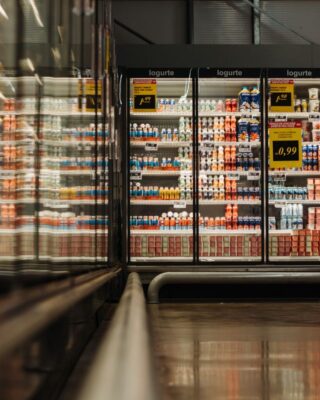
Why Commercial Refrigeration Matters
Commercial refrigeration is one of the most important investments in any foodservice business. Unlike residential refrigerators, commercial units are designed to withstand constant use, frequent door openings, and large food inventories.
Proper refrigeration helps restaurants:
- Maintain food quality and freshness
- Meet health department requirements
- Reduce food spoilage and waste
- Improve kitchen efficiency
- Extend ingredient shelf life
- Lower operating costs
A refrigeration failure can quickly become expensive. In addition to equipment repair costs, restaurants may lose hundreds or even thousands of dollars in spoiled inventory.
For this reason, selecting dependable refrigeration equipment should be a priority for every restaurant owner.
Types of Commercial Refrigeration Equipment
Different areas of a restaurant require different refrigeration solutions. Understanding the available options can help you create an efficient kitchen layout.
Reach-In Refrigerators
Reach-in refrigerators are among the most common refrigeration units in commercial kitchens.
Available in single-door, double-door, and triple-door configurations, they provide convenient access to frequently used ingredients and prepared foods.
Reach-ins are ideal for:
- Restaurants
- Cafés
- Bakeries
- Catering operations
- Convenience stores
Most restaurants use multiple reach-in refrigerators to separate ingredients and improve organization.
Reach-In Freezers
Commercial freezers are designed for long-term storage of frozen foods, meats, seafood, and prepared items.
They maintain temperatures below 0°F (-18°C), helping preserve food quality while reducing waste.
Many restaurants pair reach-in refrigerators with matching freezer units to maximize storage flexibility.
Prep Tables
Prep tables combine refrigerated storage with a food preparation surface.
Common examples include:
- Sandwich prep tables
- Pizza prep tables
- Salad prep tables
These units allow staff to access ingredients quickly while maintaining safe storage temperatures.
Undercounter Refrigerators
Undercounter units fit beneath workstations and counters, making them ideal for kitchens with limited space.
They provide convenient storage near cooking and prep areas while maximizing floor space.
Merchandiser Refrigerators
Restaurants, cafés, and grab-and-go establishments often use glass-door merchandisers to display beverages, desserts, and packaged foods.
These units help increase impulse purchases while keeping products properly chilled.
Walk-In Coolers and Freezers
High-volume restaurants often rely on walk-in refrigeration systems for bulk storage.
Walk-ins provide substantial storage capacity and allow businesses to purchase ingredients in larger quantities, often reducing food costs.
Choosing the Right Commercial Refrigerator
Not every refrigerator is suitable for every restaurant.
Before purchasing equipment, consider the following factors.
Storage Capacity
Start by evaluating your inventory needs.
Questions to consider include:
- How much food do you store weekly?
- How often do you receive deliveries?
- How much refrigerated and frozen storage do you need?
Purchasing a unit that is too small can create operational challenges, while oversized equipment may waste energy and valuable kitchen space.
Kitchen Layout
Available space will significantly influence equipment selection.
Measure doorways, hallways, and installation areas carefully before purchasing.
Compact kitchens may benefit from:
- Undercounter units
- Slim reach-ins
- Prep tables with built-in refrigeration
Temperature Performance
Consistent temperatures are essential for food safety.
Look for units that maintain temperatures between:
- 33°F–40°F (0.5°C–4°C) for refrigeration
- 0°F (-18°C) or lower for freezers
Stable temperature control helps prevent spoilage and supports health code compliance.
Energy Efficiency
Commercial refrigeration operates around the clock, making energy consumption a major operating expense.
Energy-efficient units can significantly reduce utility costs over time.
Features that improve efficiency include:
- LED lighting
- High-density insulation
- Self-closing doors
- Electronically controlled compressors
- Energy-saving evaporator systems
Durability
Restaurant equipment must withstand demanding conditions.
Look for:
- Stainless steel construction
- Heavy-duty shelving
- Commercial-grade compressors
- Corrosion-resistant components
Durable equipment often provides a lower total cost of ownership despite a higher initial purchase price.
Food Safety and Temperature Control
Food safety is one of the most important responsibilities of restaurant ownership.
Improper refrigeration can create conditions that allow harmful bacteria to multiply rapidly.
The FDA’s food safety guidelines recommend keeping refrigerated foods at 40°F (4°C) or below.
Restaurant owners should:
- Monitor temperatures daily
- Use calibrated thermometers
- Train employees on food safety procedures
- Avoid overloading refrigerators
- Keep doors closed whenever possible
Maintaining proper temperatures helps protect customers and avoid costly health code violations.
Common Commercial Refrigeration Mistakes
Even the best refrigeration equipment can perform poorly if used incorrectly.
Overloading Shelves
Blocking airflow prevents consistent cooling throughout the cabinet.
Leave adequate space between products to allow cold air circulation.
Ignoring Maintenance
Dirty condenser coils force compressors to work harder, increasing energy consumption and wear.
Routine maintenance can extend equipment life and reduce repair costs.
Poor Organization
Disorganized storage can lead to cross-contamination and food waste.
Implement a First In, First Out (FIFO) inventory system to ensure older products are used before newer inventory.
Frequent Door Openings
Excessive door openings allow warm air to enter and force the refrigeration system to work harder.
Train staff to retrieve multiple items at once whenever possible.
Preventive Maintenance Tips
Regular maintenance can dramatically improve refrigeration performance and longevity.
Restaurant owners should:
- Clean condenser coils monthly
- Inspect door gaskets regularly
- Check temperature accuracy weekly
- Clean drain lines and evaporators
- Schedule annual professional inspections
Preventive maintenance often costs far less than emergency repairs or replacement equipment.
Selecting a Commercial Refrigeration Brand
The commercial refrigeration market includes a variety of reputable manufacturers.
Popular brands include:
- True Manufacturing
- Turbo Air
- Beverage-Air
- Arctic Air
- Avantco Refrigeration
- Wilprep Commercial Refrigeration
When comparing brands, evaluate warranty coverage, energy efficiency, parts availability, service support, and overall value.
For independent restaurants and growing foodservice operations, affordable commercial refrigeration solutions can provide the performance needed without exceeding budget constraints.
Final Thoughts
Commercial refrigeration is one of the most critical investments a restaurant owner can make. The right equipment helps protect food quality, improve operational efficiency, reduce waste, and support food safety compliance.
Whether you’re purchasing a reach-in refrigerator, prep table, merchandiser, or walk-in cooler, focus on storage needs, temperature performance, energy efficiency, and long-term reliability.
By selecting suitable refrigeration equipment and maintaining it properly, restaurant owners can safeguard their inventory, optimize kitchen operations, and foster a more profitable business for years to come.