
Business
How Do Lab Grown Diamonds Hold Their Value Over Time?
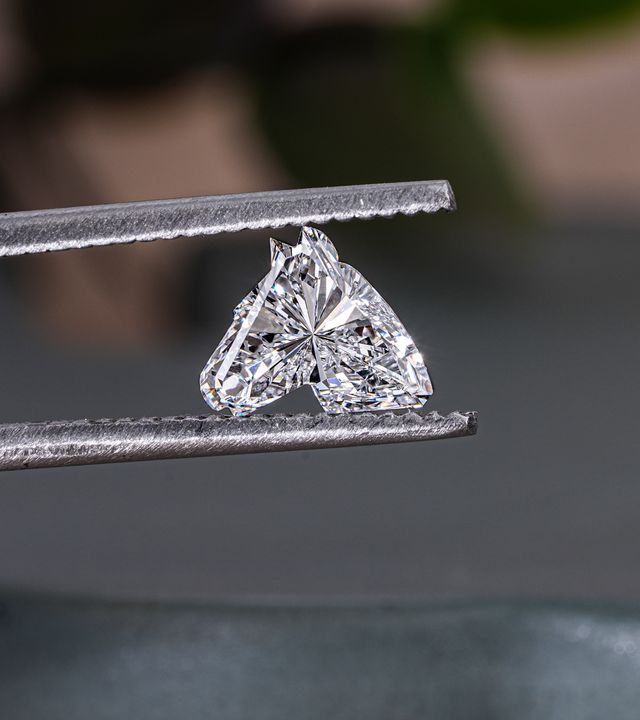
Lab grown diamonds have been turning heads and sparking debates for a few years now. As they become more mainstream, one question keeps coming up: do they actually hold their value, or are they just a passing trend?
It’s a fair thing to wonder, especially if you’re buying an engagement ring or making a significant jewellery purchase. The honest answer is a little more nuanced than a simple yes or no — and understanding the full picture will help you make a smarter decision.
Here are a few key ways to assess how well your lab-grown diamonds retain their value over time.
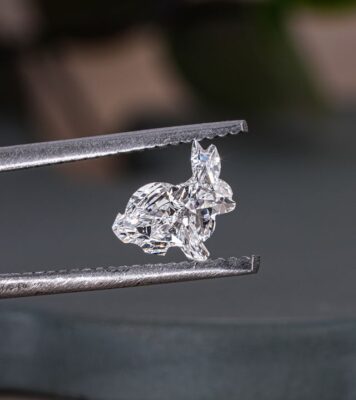
1. What “Value” Actually Means
Before diving in, it’s worth separating two kinds of value. There’s resale value — what you’d get if you sold the diamond later. And there’s personal value — the joy, meaning, and everyday wearability it brings you.
Most luxury purchases depreciate the moment you walk out the door. A designer handbag, a car, a watch — none of them are guaranteed investments. Diamonds, whether natural or lab grown, work the same way. If your main goal is financial return, managing expectations upfront is important.
2. How Lab Grown Prices Have Shifted
One thing that’s undeniable is that lab grown diamond prices have dropped significantly over the past decade. Production technology has improved, supply has increased, and prices have followed.
This is actually good news if you’re buying today. You get a larger, higher-quality stone for your budget than you would have a few years ago. The trade-off is that resale values have come down too. But this mirrors what happened with many electronics and other manufactured goods as production scaled up.
3. Lab Grown vs. Natural: The Resale Gap
Natural diamonds have historically held more of their resale value than lab grown ones, largely due to scarcity. Mining is finite. Lab diamond production is not.
That said, even natural diamonds typically resell for 20–50% of their original retail price. So neither option is a great investment on paper. The difference is that natural diamonds have a longer track record, an established secondhand market, and the cachet of rarity.
Here’s a quick comparison:
- Natural diamonds: resell at roughly 20–50% of retail
- Lab grown diamonds: resell at a lower percentage currently, but prices are stabilising
- Both: heavily dependent on cut quality, carat, and certification
4. Certification Still Matters
Whether you’re buying lab grown or natural, a grading certificate from a recognised lab is non-negotiable. The GIA (Gemological Institute of America) and IGI (International Gemological Institute) are the most widely trusted.
A certified stone is easier to insure, easier to sell, and gives you documented proof of what you actually bought. Uncertified diamonds are harder to value and raise red flags in the resale market.
5. Quality Factors That Influence Value
The four Cs — cut, colour, clarity, and carat — apply just as much to lab grown stones as they do to natural ones. A well-cut, high-colour lab diamond will always outperform a poorly graded one when it comes to resale.
Shoppers who take the time to compare quality grades before committing to lab grown diamonds tend to feel far more satisfied with their purchase long-term, both emotionally and financially.
Retailers like Ritani provide detailed grading information and side-by-side comparisons so you can make an informed choice rather than guessing.
6. The Environmental Angle Adds Perceived Value
Value isn’t only financial. For a growing number of buyers, the appeal of lab grown diamonds is deeply tied to ethics and sustainability. Choosing a stone that doesn’t involve mining carries real weight for consumers who care about environmental impact.
According to a McKinsey & Company report on consumer trends, over 60% of consumers now factor sustainability into their purchasing decisions. For many buyers, especially younger ones, this perceived value is just as real as the diamond itself.
7. Will Lab Grown Values Stabilise?
There’s reason to think the market is maturing. As consumer awareness grows and lab diamonds become more accepted in mainstream jewellery, the secondhand market is slowly building structure.
Major jewellers are stocking them, bridal markets have embraced them, and trade-in programmes are starting to emerge. None of this guarantees high resale returns, but it does suggest the category is here to stay — not a passing fad.
Final Thoughts
Lab grown diamonds are a genuinely brilliant choice for buyers who want beauty and size without the traditional price tag. They won’t make you rich if you sell them later — but neither will most natural diamonds.
What they do offer is exceptional quality, ethical sourcing, and outstanding value at the point of purchase. If you go in with realistic expectations, prioritise certification and cut quality, and choose something you genuinely love — that’s value that lasts.