
Business
Hidden Facility Costs That Drain Business Profits
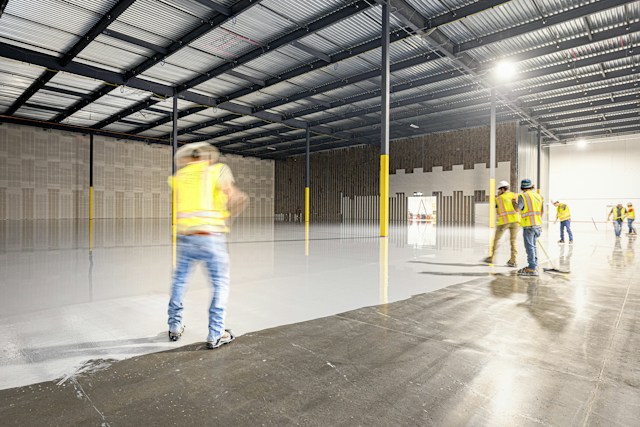
Facility expenses rarely stay within the neat categories shown on a monthly budget. Small leaks, vibration, inefficient maintenance routines and repeated production delays can steadily reduce margins without attracting much attention. These losses often appear as higher utility bills, overtime or premature equipment replacement, so their shared cause remains hidden.
A practical facility review connects those expenses to physical conditions and operating habits, giving you a clearer path to protecting business profits.
Where Silent Operational Leaks Begin
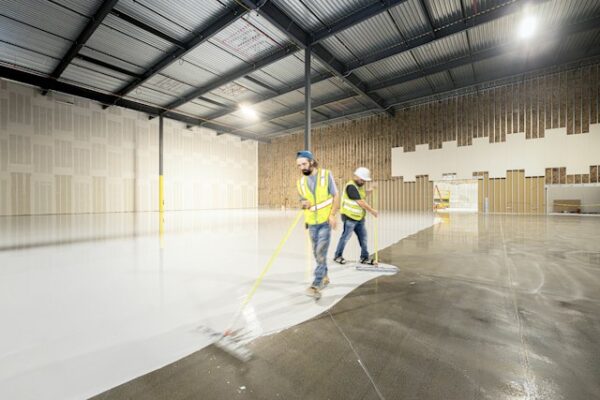
Many hidden profit leaks begin with costs that seem too small to investigate. A slow water leak, compressed-air loss or poorly calibrated control may add only a modest amount to one bill. Left unresolved for a year, however, that issue can consume funds intended for hiring, inventory or customer service.
Inspect utility data alongside production levels each month. If water or energy use rises while output stays flat, schedule a physical inspection instead of accepting the increase as normal. Watch for damp surfaces, unusual equipment cycling and unexplained pressure changes. Guidance on hidden pipe leaks also shows why early detection matters to a company’s finances. Assigning each irregularity an owner and a deadline helps prevent minor concerns from disappearing into a maintenance log.
Mitigating Continuous Pipe Fatigue
Industrial piping expands, contracts and vibrates as temperatures and operating loads change. Repeated movement can stress connections, supports and nearby equipment, leading to small leaks or unplanned repairs. Warning signs may include damaged insulation, unusual noise, misaligned supports or recurring seal failures in the same area.
Ask a qualified engineer to review systems that carry heated materials or experience frequent start-stop cycles. Where movement must be accommodated, a correctly specified bellow expansion joint can provide controlled flexibility and help reduce vibration in piping, ducting or machinery. Selection should account for temperature, pressure, material compatibility and expected movement. Document the installation date and inspection criteria as well, since even a suitable component requires routine monitoring throughout its service life.
The Real Impact of Equipment Downtime
A stopped machine creates more costs than the repair invoice shows. Employees may wait for work, orders may ship late and supervisors may spend hours rearranging schedules. If another line absorbs the workload, extra shifts and accelerated wear can raise the final cost further.
Measure downtime in operational terms. Record the duration, lost output, labor hours, wasted materials and delivery effects for every interruption. A two-hour shutdown that delays three customer orders deserves a different response from a brief stop with no production impact.
This record also reveals repeat failures. If the same pump, pipe connection or motor interrupts work every month, planned replacement may cost less than another year of emergency service. Use total downtime cost when approving maintenance funds so low-priced temporary repairs don’t appear more economical than they truly are.
Actionable Steps for Lean Preservation
Create a simple facility cost register that combines maintenance events with utility use and production data. You don’t need a complicated software platform to begin. A shared spreadsheet can expose patterns when it records the date, affected asset, symptoms, repair cost, downtime and follow-up action.
Use a short monthly routine:
- Compare utility consumption with production volume
- Review repeated repairs by asset and location
- Confirm that high-priority work orders have owners and deadlines
- Inspect known vibration, moisture and temperature trouble spots
- Calculate the full cost of major shutdowns
Set thresholds that trigger action. A third repair on one component within six months, for example, could require an engineering review instead of another identical fix. Keep spare parts for assets whose failure would stop production, but avoid filling storage with items that are easy to obtain and rarely needed.
The strongest facility budgets are built from evidence gathered on the floor. When a recurring pressure change, utility spike or two-hour stoppage receives a documented response, it has far less opportunity to become a permanent drain on profit.