
Business
How to Launch a Low-Maintenance Storage Business
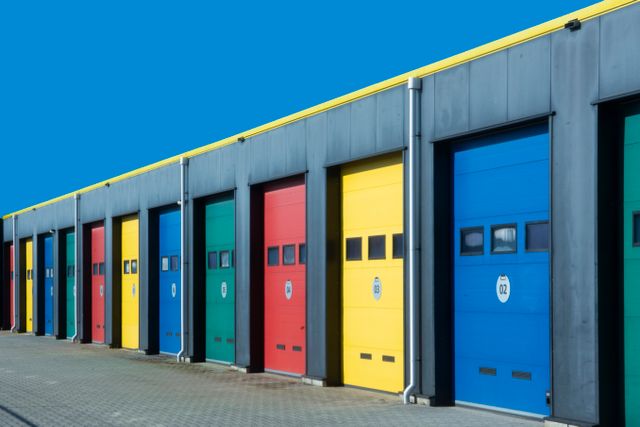
A low-maintenance storage business starts with a site that can produce steady rental income without requiring constant on-site attention. That takes more than purchasing land and adding rows of units. You’ll need to confirm local demand, control construction costs, and set up systems that reduce routine administrative work. A clear plan also helps you avoid overbuilding before you know which unit sizes local customers will rent.

Evaluate Local Demand and Site Feasibility
Study the area within a three- to five-mile radius of each possible site. Record nearby facility occupancy, advertised rates, unit sizes, and customer reviews. Apartment growth, smaller homes, and clusters of local service companies can all support storage demand. This guide to storage location factors covers visibility, accessibility and local competition in more detail.
Next, confirm zoning rules, utility access, drainage requirements and road-entry restrictions. A lower-priced parcel can become expensive if it requires major grading or a new access lane. Ask a civil engineer to review the site before you commit, then build permitting costs and possible delays into your financial projections.
Choose Efficient Modular Construction
Prefabricated steel buildings can make setting up a storage facility more manageable, especially if you want a straightforward building design. If you’re looking for a ready-made option, self storage unit building kits are worth considering. The kits include steel framing, wall and roof panels, hardware and assembly drawings, with customisable floor plans to suit your site.
Remember to budget for delivery, site preparation, foundations, labour and permits alongside the kit itself. You can also ask about optional insulation packages if your facility needs them. Planning the layout with future expansion in mind can help you start with the space you need and add more units as demand grows.
Plan Unit Mix and Layout Density
Use competitor research to create an initial mix of small, medium, and large units. For example, a property near apartments may need more 5-by-10 and 10-by-10 spaces, while an area with contractors may support larger units with convenient vehicle access. Keep some flexibility because the first year of rental activity will reveal what customers actually want.
The layout should balance rentable square footage with practical movement around the property. Leave enough room for turning, loading, and emergency access. Place popular units along efficient drive paths and avoid narrow dead ends that complicate traffic. Review your storage business plan alongside the site design so projected revenue reflects the unit count you can realistically build.
Automate Gate Access and Rent Collection
Choose management software that combines online reservations, recurring payments, digital rental agreements and account notices. When these functions share one system, you spend less time matching payments to customer records or correcting manual entries. Customers should be able to rent a unit, verify their identity, and receive access instructions without waiting for office hours.
Connect the software to a keypad or mobile-access gate system. Set clear rules for overdue accounts and test the full process before opening, including payment failures and access-code changes. Security cameras with remote viewing can help you check activity without remaining on-site. Keep a dependable local contact for lock issues, storm cleanup, and urgent maintenance since automation can’t handle every physical problem.
Attract Your First Commercial Renters
Start outreach several weeks before opening. Contact moving companies, property managers, cleaning services, online sellers and local tradespeople that may need extra space for equipment or inventory. Send a short message with unit dimensions, access hours, opening dates, and monthly prices. A simple site map can help business owners judge if loading will be practical.
Offer straightforward introductory terms without locking yourself into permanent discounts. You might waive an administrative fee or provide a short opening promotion for customers who enroll in automatic payments. Track every inquiry by source so you know if renters came from search listings, roadside signs or direct outreach.
Pay close attention to the first 20 renters. Their questions will expose unclear instructions, access problems, and missing features faster than a lengthy planning session. Fixing those issues early creates a smoother operation before occupancy rises and daily requests begin to multiply.