
Business
Smart Due Diligence Before Buying Commercial Land
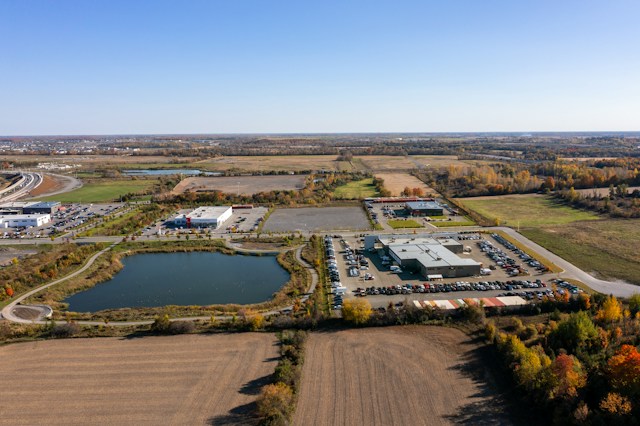
A commercial land purchase can look financially sound until site constraints turn a straightforward project into an expensive delay. The asking price, permitted use and visible condition provide only part of the picture. Soil history, drainage patterns and approval requirements can all affect what you can build and how much preparation the property needs.
Before committing funds, set a due diligence period that gives qualified advisers enough time to review records, inspect the property and test physical conditions. The following checks can help you identify costs that may not appear in a standard sales package.
Look Beyond Zoning and Title Deeds
Confirm that zoning permits your planned use, then investigate overlays, access rights, utility easements and development conditions. A permitted commercial use may still face limits on building height, traffic access, vegetation removal or operating hours. Review commercial property title due diligence early so restrictive covenants and unresolved ownership issues don’t surface after closing.
Ask the local planning authority for current and proposed controls, not just the rules shown in the listing. If environmental approvals could affect the design or schedule, learning what do environmental consultants do can help you decide which site assessments belong in your feasibility process. Give your legal, planning and environmental advisers the same proposed site plan so they can flag overlapping constraints.
Uncover Hidden Ground Contaminants
Past land use often matters more than present appearance. Warehouses, repair businesses, processing sites and fill areas may leave petroleum compounds, solvents, metals or other contaminants below ground. Even vacant land can contain imported fill from an unknown source.
Start with a desktop review of historical aerial images, business records and previous environmental reports. If that review identifies a potential concern, commission targeted soil and groundwater sampling. The EPA brownfields guidance explains how environmental assessment and cleanup fit into property redevelopment.
Testing should match the site’s history. Random samples may miss an old underground storage area or waste pit, so investigators need to focus on likely source locations. Your purchase agreement should also state who can access the land for testing and who receives the results.
Review Water Tables and Runoff Risks
Check seasonal groundwater levels, flood exposure and the direction water moves across the property. A dry inspection during summer doesn’t show how the site will perform after prolonged rain. High groundwater can complicate excavation, basement construction and utility installation, while poor runoff control may affect neighboring properties.
Request available bore logs, drainage plans and previous flood records. Then compare those documents with site levels and nearby roads, channels and low points. A civil or environmental specialist can model runoff under the proposed design, including the extra flow created by roofs and paved parking areas.
Allow for future conditions as well. Confirm whether local flood mapping or rainfall design standards are under review, since an update could change floor levels, detention requirements or the usable building footprint.
Calculate True Remediation Budgets
A cleanup estimate should cover more than excavation and disposal. Include laboratory analysis, consultant fees, permits, transport, clean replacement soil and validation testing. Add design changes, temporary water management and schedule delays where they could apply. Disposal costs can rise sharply when contaminated material requires treatment or transport to a distant licensed facility.
Build at least three budget scenarios: expected conditions, a moderate overrun and a serious discovery. For example, an initial $80,000 allowance may be inadequate if excavation reveals a larger affected area or groundwater also needs treatment. Ask contractors to state assumptions about soil volume, disposal classification and access.
Keep a separate contingency tied to identified risks. This creates a more credible feasibility model and gives you clearer grounds for renegotiating the price, changing the project design or leaving the transaction.
The strongest purchase decision comes from a site-specific record of constraints, likely costs and approval time. Before the due diligence period expires, turn each unresolved issue into a written condition, priced allowance or clear reason to pause. A lower land price rarely compensates for an unknown cleanup scope or a building footprint that can’t support the intended project.