
Business
Streamline Delivery Operations With the Right Software
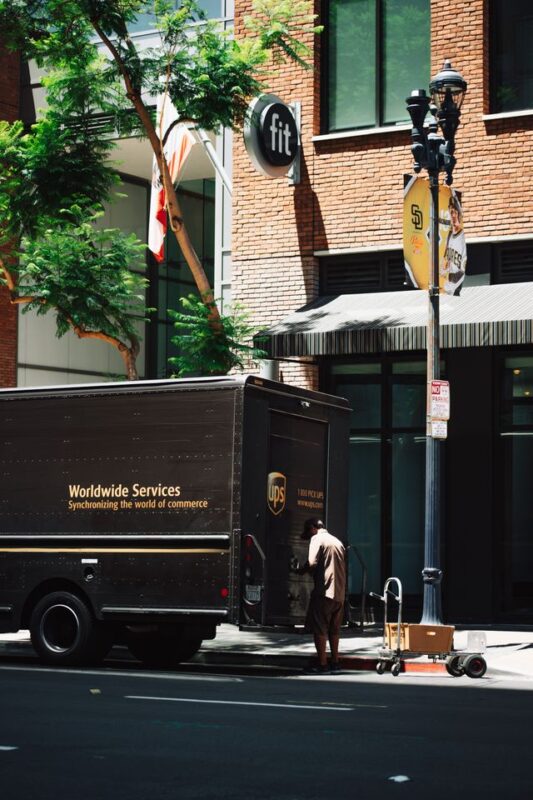
Delivery looks simple at low volume. Ten stops fit on a spreadsheet. Eighty stops across four drivers do not. Each missed window, wrong address, or repeat trip adds cost. It also hurts customer trust.
Manual dispatch depends on memory and habit. A dispatcher builds routes from what worked last week. Drivers improvise when traffic hits. Nobody sees the full picture until a customer calls to complain, and by then the day is already lost.
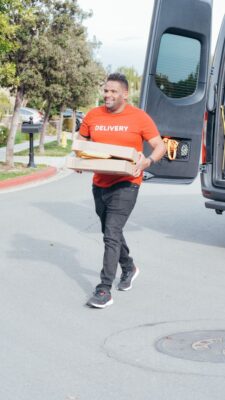
What Delivery Software Actually Does
Good software replaces guesswork with logic. It ingests orders, addresses, vehicle limits, and time windows. Then it builds routes that satisfy every constraint at once. Many teams begin with software for delivery management that covers routing, dispatch, and tracking in one place. That removes the need to stitch together three separate tools.
Under the hood, this is a vehicle routing problem. The solver weighs distance, drive time, load capacity, and driver shifts. It also counts service time at each stop. Change one variable and the whole plan shifts. A human cannot recalculate that fast, and a spreadsheet cannot do it at all.
Core Features to Look For
Not every platform fits every operation. Start with features tied to cost and service. Check these first:
- Route optimization with time windows and capacity limits
- Geocoding and address validation to catch bad data early
- Live driver tracking with dynamic ETAs
- Proof of delivery through photo, signature, or barcode scan
- Automated customer alerts by SMS or email
- Reports on cost per stop and stops per hour
Route optimization deserves the closest look. Static routes ignore live conditions. Dynamic engines re-sequence stops when a driver runs late or a new order drops in. Ask vendors how often the engine recalculates. Also ask how it treats hard windows versus soft windows. A hard window cannot be missed. A soft window can slip with a penalty.
Integration and Data Flow
Software that cannot connect to your stack creates new manual work. Look for REST APIs and webhooks. Orders should flow in from your storefront or ERP. Delivery statuses should flow back without a person retyping them. Every retyped field is a chance for error.
Test failure handling before you sign. What happens when a sync fails mid-route? Good systems retry automatically and log every event. Audit trails matter when you need to settle a dispute over a missed drop. They also help you find where a process keeps breaking.
Metrics That Prove the Return
Set a baseline before launch. Then track the same numbers each month:
- On-time delivery rate
- First-attempt success rate
- Cost per stop
- Stops per driver hour
- Miles driven per route
- Customer contacts per 100 orders
Cost per stop is the anchor metric. Fuel, labor, and vehicle wear all roll into it. Pair it with first-attempt success. A cheap route that fails at the door costs more once you redeliver. Reading both together prevents false wins and keeps the team honest.
Fit for Small and Growing Businesses
You do not need a large fleet to benefit from delivery management software. Even small businesses selling personalized products, such as custom keychains, can face delivery challenges as orders increase. Whether fulfilling individual purchases, bulk orders for corporate events, or promotional giveaways, keeping shipments organized and arriving on time is essential to customer satisfaction.
Delivery software helps business owners plan efficient routes, coordinate drivers, and track orders without adding unnecessary administrative work. As demand grows during seasonal promotions or special campaigns, automated dispatch makes it easier to handle higher order volumes. This allows small businesses to focus on creating quality products and growing sales while maintaining a reliable delivery operation.
Roll Out Without Disruption
Driver adoption decides success. The best routing engine fails if drivers ignore it. Keep the mobile app simple. Train in short sessions. Collect feedback in week one. According to McKinsey’s last-mile research, vehicle cost makes up under 15 percent of last-mile delivery cost in dense networks. That means planning quality and stop efficiency matter more than the truck itself.
Clean your data first. Standardize address formats. Remove duplicate customer records. Define service times for each stop type, such as a doorstep drop versus a signature handoff. Poor inputs produce weak routes, no matter how strong the solver is.
Next Steps
The right software cuts waste at every step of the delivery chain. Pick tools that match your volume, connect to your systems, and report clean numbers. Run a small pilot. Measure the results. Then scale with confidence.