
Business
How Workwear Strengthens Your Small Business Brand
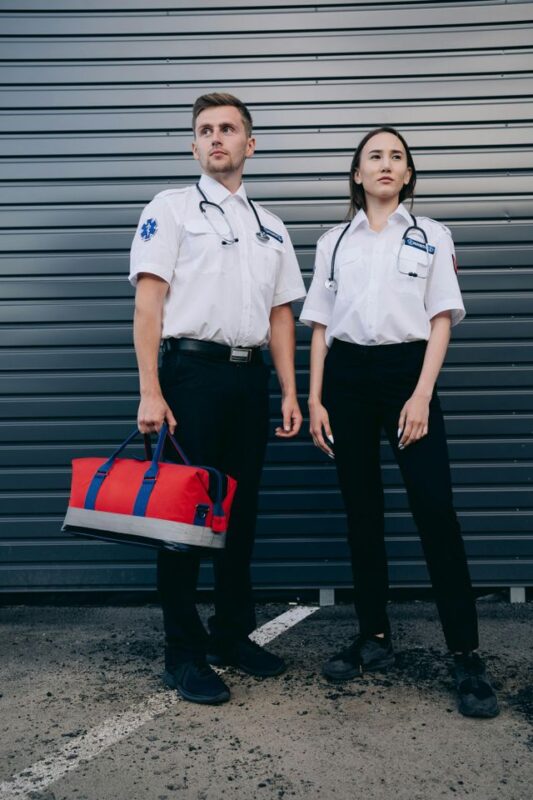
Customers judge a business in seconds. Your logo and website matter. So does what your team wears. A uniform shows up in every handshake, delivery, and service call.
Large companies spend heavily on brand consistency. Small businesses can match that effort on a smaller budget. Workwear is one of the cheapest ways to do it. This guide covers how to plan it, build it, and measure it.

Workwear Is a Brand Touchpoint
A touchpoint is any moment a customer meets your brand. Packaging is one. A van wrap is another. Staff clothing is a third, and it moves. It appears in homes, job sites, and storefronts.
Consistent clothing builds recognition fast. People link a color and a mark to a business after a few exposures. It also builds trust. A uniformed worker reads as authorized, which matters in trades, security, delivery, and field services.
Fit and function drive adoption. If staff dislike the gear, they will not wear it properly. Durable bottoms such as tactical jeans give field teams the look of denim with reinforced seams and added stretch. That keeps a professional appearance through a full shift.
Set a Written Workwear Standard
Start with a one page spec. Include these items:
- Brand colors as Pantone or hex values
- Logo size and placement for each garment type
- Approved garments for each role
- Laundering and replacement rules
- Budget per employee per year
Specs prevent drift. Without them, one worker wears faded navy and another wears black. The brand starts to look scattered. Order from one supplier each season so dye lots stay close.
Match Fabric and Fit to the Work
Fabric choice is a technical call. Cotton twill breathes but wrinkles. Poly cotton blends hold color and shrink less. Denim in the 10 to 12 ounce range suits most field jobs. Ripstop adds tear resistance where snagging is common. Always check the wash rating before you order.
Test every item before a full order:
- Wear a sample for a full shift
- Wash it ten times and check color loss and shrinkage
- Inspect stitching at pockets, knees, and seams
- Confirm range of motion when kneeling and reaching
A failed sample costs you one garment. A failed bulk order costs you the budget and the first impression.
Add Flexible Identity Pieces
Patches give you flexibility. Custom embroidered patches can carry your logo, a certification, or a crew name. Use sew on or hook and loop backing so you can swap them by role or season. A merrowed edge resists fraying. A twill base holds fine detail well.
Patches also cut costs. You can keep one standard garment and change the patch instead of reordering everything. That helps when you add a new service line or a seasonal promotion.
Measure and Adjust
Workwear should earn its cost. Track a few simple signals:
- Customer comments on professionalism
- Online review mentions of your team
- Garment replacement rates
- Employee feedback on comfort
Review the data once a year. Replace what fails. Keep what works. Update the spec so the next order is better than the last.
Good workwear is a quiet brand asset. It works every shift, in front of every customer. Plan it like any other marketing tool, and it will pay you back.
Brand the Garment Without Overdoing It
Placement matters. Left chest is the standard spot for a primary logo. Sleeves and backs suit secondary marks. Keep one primary mark per garment. Too many marks look cluttered and cheap.
The U.S. Small Business Administration’s marketing guidance points out that operations details, including staff uniforms, shape the customer experience. That experience affects whether people return or send others your way. Treat clothing as part of operations, not an afterthought.
Pick the decoration method by fabric. Embroidery lasts longer on heavy materials like canvas, twill, and denim. Screen printing suits light tees. Dense embroidery on thin fabric causes puckering. Ask your vendor for a digitized file and a proof before production starts.
Consistency across different garment types is equally important. If your team wears polos, jackets, and work pants, make sure the colors and logo treatments complement one another.
Consider how the branding looks from a distance and up close, especially when employees interact with customers outdoors or in busy environments. Avoid using oversized logos or too many contrasting colors, as these can distract from the overall design.
Before approving production, ask your supplier for a sample garment to review the finished appearance. A balanced design makes employees look coordinated while keeping your business identity clear and recognizable.