
Health and Wellness
Clean Water Starts Long Before It Reaches Your Tap
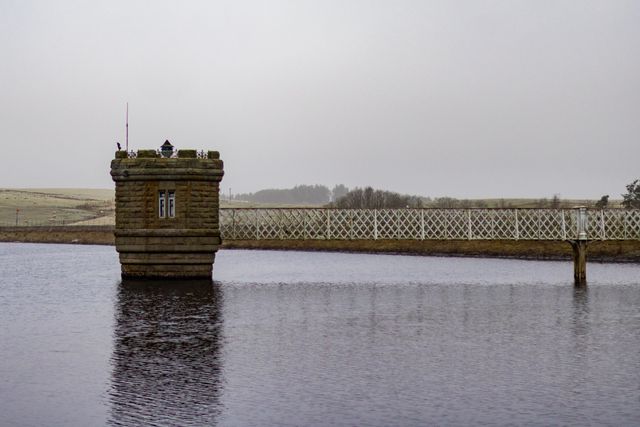
Water quality depends on everything that happens across the rivers, reservoirs and underground sources that supply a community. Treatment plants provide a vital barrier against contamination, but the condition of the source water affects how difficult that work becomes.
Protecting drinking water therefore starts upstream, where careful monitoring and practical watershed stewardship can identify problems before they reach a treatment facility or household tap. Effective watershed management involves a proactive approach, including regular water quality checking and community engagement to ensure the long-term health of our water sources.
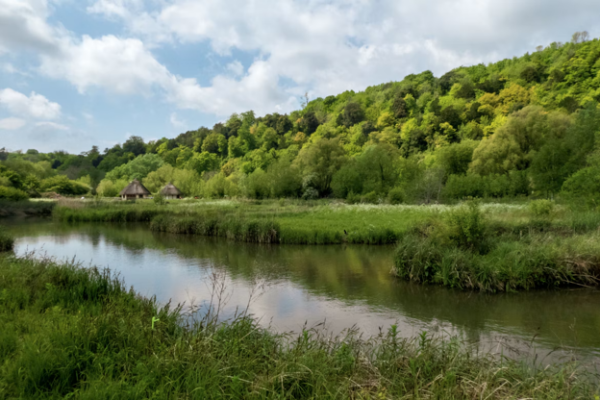
The True Origin of Drinking Water
Most tap water begins as either surface water or groundwater. Surface water collects in rivers, lakes and reservoirs, while groundwater sits below the surface in aquifers. Some public systems rely mainly on one type, while others combine sources or change supplies according to rainfall, seasonal demand and local conditions.
Communities have managed water supplies for thousands of years. This overview of the history of drinking water shows how storage, transport and treatment methods developed as settlements grew. Modern systems are far more controlled, yet they still depend on the same basic cycle of rainfall, runoff and natural storage.
Once water enters a public system, it typically moves through several treatment stages. Operators may remove larger debris, add substances that help small particles clump together and pass the water through filter media. Disinfection controls many harmful microorganisms before water enters storage tanks and distribution pipes. The exact process varies with the source and its condition.
This source-to-tap process can cover many miles. That distance matters because activities throughout the drainage area may affect water before treatment begins. A chemical spill near a stream, heavy rain over exposed soil or a damaged wastewater line can create challenges far from the original event.
For households, the practical lesson is simple: tap water has a much larger geographic footprint than the kitchen sink suggests.
Where Traditional Filtering Falls Short
Treatment plants and home filters serve different purposes. A public treatment facility handles water at scale and must meet applicable quality standards. Household products may improve taste, reduce odors or target certain substances, depending on their design and certification. No single filter removes every possible contaminant.
Maintenance also shapes performance. A filter left in service past its recommended replacement date can lose effectiveness. Some units need replacement after a certain number of gallons, while others use a calendar-based schedule. If you have a home filtration system, record each cartridge change and follow the manufacturer’s directions. Look for independent certification that matches the specific substance you want to reduce.
Even well-operated treatment has practical limits. Sudden changes in source water can increase sediment, nutrients or organic matter entering a facility. Operators can adjust processes, but they need timely information about what is happening upstream. Sampling once every few weeks may document a problem after it has passed through a monitoring point.
Treatment also doesn’t repair the source itself. Removing soil from water won’t stop erosion along a riverbank, and treating elevated nutrients won’t correct runoff from the surrounding basin. Those underlying issues require action where they begin.
If your water changes color, develops an unusual odor or tastes noticeably different, check notices from your local utility before assuming a countertop filter will solve it. Utilities can explain whether maintenance, seasonal conditions or a temporary source change is involved.
Upstream Hazards Threatening Basins
A catchment, often called a watershed, is the area of land where water drains toward a shared outlet. Rain that falls on streets, fields, construction sites and forest floors can eventually enter the same stream or reservoir. The condition of that land directly affects the water moving across it.
Heavy rain offers a clear example. A storm can wash loose soil into waterways within hours, increasing cloudiness and carrying attached pollutants. High sediment levels may complicate treatment and reduce light in aquatic habitats. In developed areas, runoff can also pick up oil residue, road salt, litter and other material from hard surfaces.
Nutrients create another concern. Lawn products, agricultural runoff and failing wastewater systems may add excess nitrogen or phosphorus to water. Under favorable conditions, these nutrients can encourage rapid algae growth. Some blooms affect taste and odor, while certain types may produce toxins that demand a fast operational response.
Continuous water catchment monitoring gives water utilities and environmental agencies real-time insight into changing conditions across these source areas. Data on selected environmental indicators can help teams spot unusual shifts, investigate likely causes and respond sooner. It can also support regulatory reporting when organizations need a clear record of conditions over time.
Weather makes this work more urgent. Drought can reduce flow and concentrate certain substances, while intense rainfall can move large amounts of runoff quickly. Monitoring locations should reflect these local risks, including tributaries below developed areas and points near important water intakes.
Proactive Source Management Matters
Source management starts with knowing what could enter the water and where it might come from. Utilities and public agencies often map the land around an intake or well, identify potential contamination sources and rank them by likelihood and possible impact. The EPA source water protection resources explain how communities can assess risks and build local protection programs.
Good management pairs that assessment with useful data. A baseline shows the normal range for indicators such as temperature, pH, dissolved oxygen or cloudiness at a given location. When readings move outside that range, staff can compare the change with rainfall, seasonal patterns and nearby activity. One unusual value may reflect a sensor issue, but several connected changes can point to a real event.
Response plans turn an alert into action. A practical plan should state who reviews incoming data, what conditions trigger confirmation testing and which partners receive notice. For example, a sharp rise in cloudiness after a storm may lead staff to inspect an upstream site, collect a physical sample and prepare treatment operators for changing raw water conditions.
Prevention can also lower long-term costs. Stabilizing eroding streambanks, maintaining vegetation near waterways and controlling runoff at construction sites reduce the amount of material entering a basin. These projects won’t remove every risk, but they can make source water more consistent and ease pressure on downstream treatment.
Public reporting helps too. Clear explanations of trends, incidents and corrective work give residents useful context without burying them in technical language.
Support Local Watershed Stewardship
You don’t need to work for a utility to help protect a watershed. Everyday choices influence what rain carries into storm drains, streams and groundwater. Start by learning the name of your local watershed and identifying the organization responsible for drinking water. Utility reports, municipal websites and watershed groups often publish maps, testing summaries and notices about public meetings.
At home, keep leaves and grass clippings away from storm drains. Organic material can release nutrients as it breaks down. Fix vehicle leaks promptly, dispose of household chemicals through approved collection programs and follow label directions when applying lawn products. Pet waste should go in the trash because rain can carry bacteria and nutrients from sidewalks or yards into nearby water.
Property owners can also slow runoff. Native plants, healthy soil and rain gardens help water soak into the ground. Where local rules allow, rain barrels can capture roof runoff for later use in the garden. These small measures become more meaningful when many households in the same drainage area adopt them.
Community involvement offers a wider view. Join a stream cleanup, attend a watershed planning meeting or ask local officials how source-water risks are tracked. If a volunteer monitoring program operates nearby, find out how it trains participants and verifies results before signing up.
Clean tap water begins with a healthy source. The next time rain runs along your curb, follow its likely path toward the nearest drain or stream. That route connects your block to the same water system your community depends on.
This sounds really interesting, and I think it’s something we often don’t think about enough. Recently, I’ve started reading more news online and in newspapers, and I’ve noticed a few similar articles about how water is treated before reaching our homes. While looking up espn phone number https://espn.pissedconsumer.com/customer-service.html online the other day, I ended up browsing the news as well and came across a similar piece about clean water. It’s surprising how much happens behind the scenes before we simply turn on the tap. Definitely useful information to know and a good reminder not to take clean water for granted.