
Health and Wellness
Why Purpose-Built Medical Refrigeration Matters for Healthcare Teams
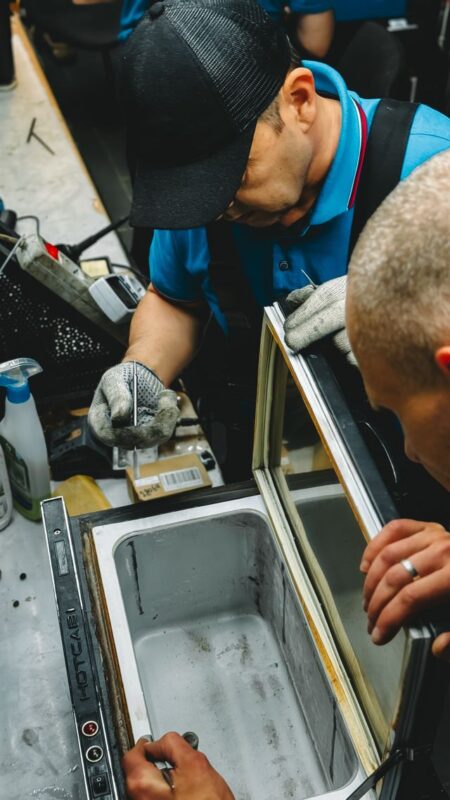
Cold-chain failures can arise from equipment faults, loading, door openings, monitoring gaps, or power loss. Purpose-built refrigeration helps healthcare teams control storage conditions, but it still needs correct placement, monitoring, and trained oversight.
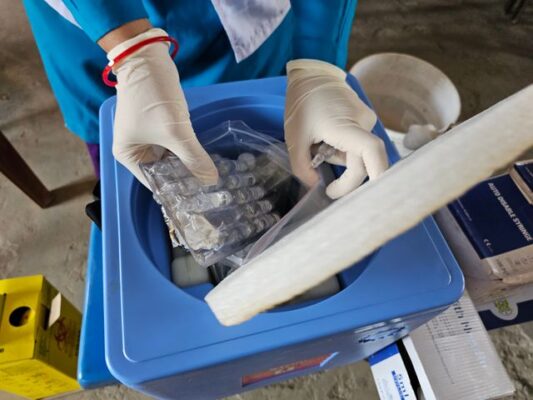
Why a kitchen fridge can’t hold a clinical cold chain
A domestic fridge is built to keep food fresh. It cycles on and off and runs defrost periods that add heat on purpose. That swing is fine for milk and leftovers, but it is not fine for pharmaceutical storage.
Medicines don’t have that tolerance. Vaccines and many injectables need tight control that a domestic cabinet can’t provide. The compressor cools in bursts, then rests while temperature drifts up. Cold air sinks, so the bottom shelf and areas near the cooling plate run colder than the center.
Staff can set the dial to 5 degrees and still find spots near freezing and spots above 8 degrees in the same cabinet. That variation is normal for food storage. It breaks a clinical cold chain.
Australia’s Strive for 5 guidelines set a +5°C target for vaccines with limits of +2°C to +8°C, and domestic variation alone can push stock outside those limits. Room temperature adds another shift.
A fridge in a warm utility room behaves differently than the same model in a cool dispensary. It lacks both the precision thermostat to correct for that shift and the even airflow to smooth it out.
Door openings make it worse. Every open door lets warm air in, and recovery is uneven in a static-shelf cabinet. Stock near the door warms first and cools last.
Damage you can’t see
Freezing doesn’t always leave a clue. A vial that froze overnight can look clear in the morning. A vaccine that sat too warm for hours can look exactly as it did when it arrived.
That makes damage easy to miss.
Potency loss from heat or freezing is chemical. It doesn’t cloud liquid or change color in ways staff can spot. Protein-based products such as biologics are prone to this type of loss. Once the structure changes, cooling it again won’t restore it.
Staff can’t judge viability by eye. Product labels and current cold-chain procedures guide the handling of temperature excursions. Those approved protocols cover segregation and assessment of stock when there is doubt about its condition. Appearance alone cannot establish whether it is suitable for general use.
A basic dial thermostat hides this risk because it shows a single point at a single moment, while vials in corners or near the cooling element may have experienced quite different conditions for hours. Busy teams don’t check every hour. They check when they can.
Without continuous records, no one can say what happened overnight. Giving a compromised dose leaves a patient unprotected and creates rework for the practice.
What purpose-built design does differently
A purpose-built medical fridge starts from a different brief: holding pharmaceutical stock within tight limits. That purpose shows in the cabinet shape and controls, which address different demands from those of everyday food storage.
How airflow and control reduce variation
Many models use forced-air circulation to move cold air around shelves. That airflow reduces hot and cold zones that form in static domestic cabinets. Control systems on clinical models tend to be tighter, with digital set points and smaller dead bands.
Performance still varies by model and ambient class, so specifications matter more than an assumption that all units behave the same. Cabinet shape helps as well, since shelves and airflow paths are laid out to keep temperature even around the set point.
For vaccines held under Strive for 5, that set point is often +5°C. Other products have their own label and manufacturer storage statements. It’s a practical difference that shows up in daily temperature logs.
Why recovery after opening matters
Recovery after door openings is steadier in purpose-built cabinets. Cold air returns to shelves in a more even pattern, though there is no fixed recovery time that applies to every unit.
Load, room temperature, door-opening frequency, and placement all change the result. Assessment of actual uniformity under approved protocols after installation gives a more useful picture than a brochure figure alone.
Temperatures don’t swing as far, and logs don’t show the same spikes.
Vaccines are only part of the stock at risk
Vaccines get most of the attention, and they deserve it. But a practice fridge often holds other products with storage needs that matter just as much.
Insulin and adrenaline are common examples with strict storage needs. Both can lose effect if stored outside labeled conditions. Product labels and manufacturer information provide the exact limits for each.
Those limits differ by product and can’t be reduced to a single range. There’s no single rule for all of them. The label is the rule for each item.
Eye drops and lab reagents add another layer. Some eye preparations and protein-based biologics are harmed by freezing more than by brief warmth. Clinical research laboratories face the same issue with samples and reagents, where a freeze event can ruin reproducibility long before anyone sees a problem.
Biologics deserve special care. They are built from proteins that unfold with temperature stress. That change is permanent and won’t reverse in a colder fridge.
Current cold-chain procedures explain what to do when limits are breached, and that guidance outranks any general advice in an article. Equipment suppliers don’t decide clinical use.
How to judge a medical refrigeration supplier
Procurement teams often start with a medical fridges brand name. The name helps build a shortlist, but it doesn’t prove that a particular model fits the setting.
Specs decide fit. Climate class shows what room conditions a model is rated for. Lock options and door style vary by model, with solid and glass-door versions available in many ranges.
A model’s specifications show which features it has; not every medical fridge has the same locks or lights. Warranty terms and response times matter more than brochure claims.
Healthcare teams can compare a supplier such as Rollex Medical against their technical requirements, documentation needs, and service expectations. Local knowledge and backup matter more than the logo alone.
A credible supplier has quality management credentials and staff who understand cold-chain needs. It has spare parts and service support that teams can actually reach. Useful questions include who handles calibration and how fast help arrives.
Monitoring and alarms turn storage into proof
A medical fridge without good monitoring is a box that hums. Staff need to know what happened inside it overnight and during busy clinics.
Calibrated sensors and data loggers give that picture. Minimum and maximum memory shows extremes between checks, while continuous logging shows patterns across days and nights.
No single device fixes poor placement, and approved protocols guide calibration and validation for each setting. That record is the evidence trail that links storage to viability.
What alarms should cover
Alarms close the gap between detection and action. Audio and visual alerts warn staff nearby when temperature drifts or a door stays open. Some models add remote notification for after-hours events.
Power loss and extended door openings are the usual triggers. Trained roles and an escalation plan still matter, since an alarm at 2 a.m. helps only if someone knows what to do.
There’s no universal setup that suits every room. Approved protocols guide probe placement and response steps, with commissioning providing an opportunity to review both. Alarm settings need the same review.
Cost and placement decide real performance
Price tags mislead. A domestic fridge costs less at purchase, but it can cost more over the course of a year.
One excursion can waste high-value stock and force extra appointments for revaccination. It can also shake patient trust and create audit findings that take weeks to clear.
Purpose-built equipment looks different on that math, since stable control cuts waste and clean records cut audit time. Service backup that teams can reach cuts downtime as well.
Where to place the unit
Siting decides whether a good unit stays good. A fridge pushed against a hot wall or wedged in a closed alcove can’t breathe. A unit near direct sun or sterilizers runs warmer than spec.
Stock load and door-opening frequency affect results alongside room temperature and placement, making all of them relevant during selection. Commissioning helps establish whether the unit fits its intended setting.
That involves assessing temperature behavior in place under approved protocols with trained staff. Results that drift may point to loading or location issues that need attention before routine storage begins. Equipment suppliers don’t decide clinical use.
Product labels and current clinical procedures do.
Habits and roles that keep cold chain intact
Equipment alone won’t hold the cold chain. People hold it. Clear ownership matters more than posters on the wall, with responsibility for daily checks assigned to one staff member and a backup named for leave days.
Training can cover door discipline and stock rotation without turning every shift into a lecture. New staff need to understand how overloading shelves interferes with clear airflow paths. The display needs to make sense to anyone on shift. Current procedures also define what counts as an excursion.
Contingency plans need the same clarity. For power failures, that includes a known backup storage location and clear contact details. For after-hours alarms, the roster identifies who responds. These steps belong in approved protocols rather than relying on staff memory.
Lockable storage supports that discipline. Vaccines and injectables need protection from unauthorized access, as do controlled substances. Depending on the model, that protection comes from keyed doors or electronic locks.
Service support helps keep those arrangements working. Calibration due dates and filter cleaning are easier to track in a shared schedule with reminders than on one person’s calendar. When a supplier can service and calibrate locally, those tasks are easier to keep up with.
It doesn’t need to be complicated. Small consistent actions beat occasional big efforts.
Healthcare teams don’t need perfect refrigeration. They need steady temperatures they can prove, with a medical fridge matched to the load and room. Monitoring provides the record, while alarms give staff time to respond.
Equipment specifications and service support need to match the setting, alongside records that stand up to an audit. With those pieces in place, cold-chain storage becomes a routine that staff can maintain.