
Health and Wellness
Mid-Year Wellness Reset: Why You Should Priority Mid-Year Hearing Checkups
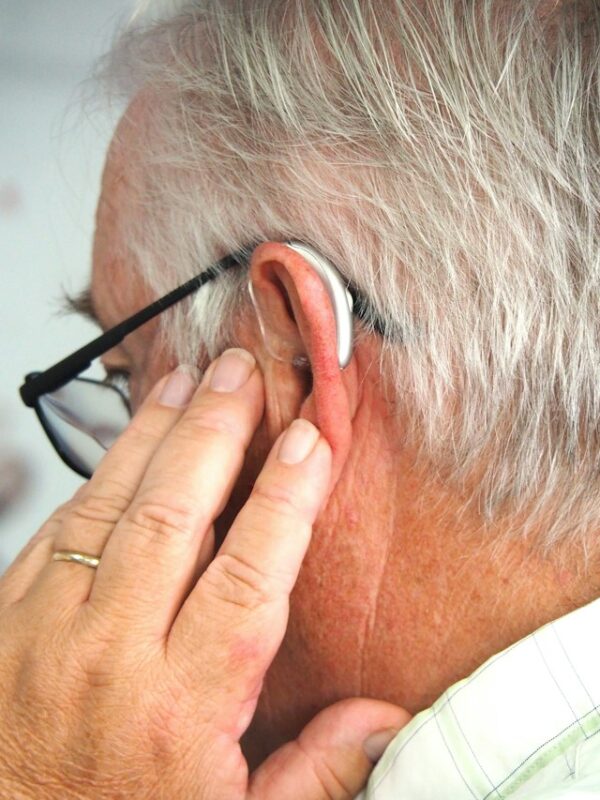
A mid-year wellness reset offers a useful chance to check on health habits that may have slipped off the calendar. Hearing deserves a place alongside routine dental visits, vision care, and annual physicals. Changes can develop gradually, so you may adapt without realizing how much effort conversations now require. A checkup around the middle of the year can identify concerns early and help you enjoy summer gatherings, family activities, and everyday communication with less strain.
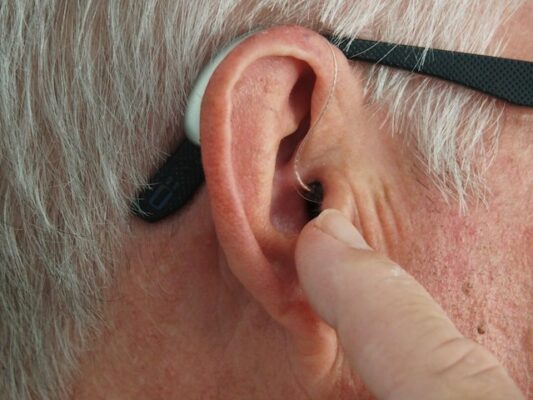
Hearing changes can be easy to miss
Many adults expect hearing changes to be obvious, but they often appear in small ways. You might raise the television volume, miss the end of a sentence, or have trouble following a conversation in a busy restaurant. Since these changes can happen slowly, family members may notice them first.
The signs of hearing loss can include asking people to repeat themselves, struggling with higher-pitched voices, and feeling that others mumble. Keep a short note on your phone when these situations occur. A pattern across several weeks gives you useful information to share with a hearing professional.
Why the middle of the year makes sense
January health goals often focus on exercise, nutrition, and medical appointments. Six months later, a hearing check creates a natural progress point. It can also happen before a full calendar of vacations, outdoor events, and family celebrations where clear communication matters.
Scheduling mid-year hearing checkups may be especially useful if you’ve noticed new difficulty in social settings or changes since your last evaluation. A hearing professional can assess your current hearing, review your concerns, and explain any appropriate next steps. If you already use hearing aids, the appointment also provides an opportunity to discuss performance, fit, and comfort.
Summer activities can reveal hidden difficulties
Seasonal activities often create listening challenges that don’t show up in a quiet living room. Background music at a community event, several relatives talking around a picnic table, or wind during an outdoor conversation can make speech harder to understand. You may find yourself smiling along even though you missed part of the discussion.
Pay attention to the amount of effort these settings require. Feeling unusually tired after social events can come from concentrating intensely on speech. Try standing closer to the person speaking and moving away from speakers, fans, or crowded walkways. If simple positioning doesn’t help, write down the setting and describe it during your appointment.
Protect your hearing during noisy days
Hearing wellness includes limiting unnecessary exposure to loud sound. According to the Centers for Disease Control and Prevention, repeated exposure to high noise levels can damage hearing over time. Common sources include power tools, amplified concerts, and loud recreational equipment.
Move farther away from the sound source when possible and take quiet breaks during long events. Properly fitted hearing protection can also reduce exposure while still allowing you to participate. Phone sound-level apps may provide a rough warning when an environment is loud, though they don’t replace professional measuring equipment. Ringing, muffled hearing, or ear discomfort after an activity are signs that the sound level may have been excessive.
Prepare for a productive appointment
A little preparation helps your hearing professional understand how hearing affects your daily life. Bring a list of medications, details about past hearing tests, and notes about recent symptoms. Mention ringing, pressure, dizziness, ear pain, or sudden changes, even if they seem unrelated.
Think about three situations where you most want improvement. One might be understanding a grandchild, another could be participating in work meetings, and a third might involve hearing television dialogue comfortably. If you use hearing aids, bring them along with their charger or batteries. Explain any trouble with feedback, fit, or inconsistent sound so the appointment can focus on practical adjustments.
Put hearing on your wellness calendar
Hearing health supports connection at home, at work and during the moments that make summer enjoyable. A mid-year review provides a timely checkpoint before small frustrations become accepted as normal.
Choose an appointment date that fits your actual schedule, then add a reminder to track listening difficulties for the two weeks beforehand. Those brief notes can turn a general concern such as “conversations seem harder” into specific examples your hearing professional can evaluate. That makes your visit more focused and gives you a clearer picture of how well your hearing supports daily life.