
Business
Future-Proofing Your Lot: Parking Facility Management in a Bustling City
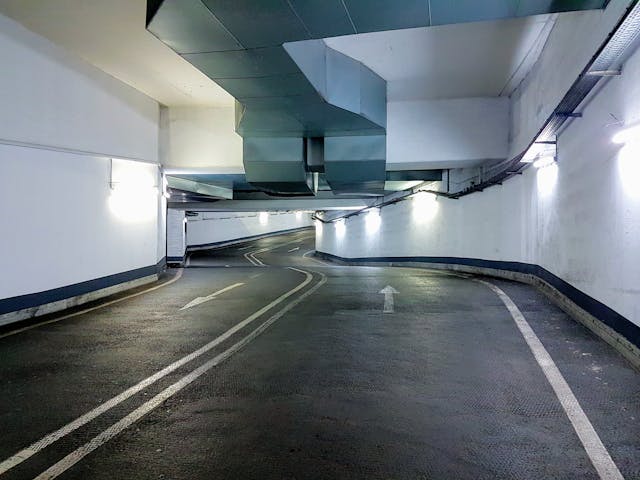
Future-proofing your parking lot refers to the proactive strategies needed to ensure parking lots remain efficient, secure, and profitable. Parking facility management amid rapid urban growth requires evolving technology and much more.
As cities become more crowded and transportation habits shift, parking facility management is not just about space. It is more about smart design, digital integration, sustainability, and anticipating future needs. From mobile payments and EV charging stations to dynamic pricing and data-driven operations, modern parking management demands innovation and foresight.
In this article, we will discuss key strategies to future-proof your parking lot and stay ahead in a competitive urban environment.

Partner with Smart Facility Management Services
Partnering with management services that offer smart facilities can transform the customer experience by eliminating the hassle of disorganized parking.
FC Valet states that hiring such services can remove one of the most frustrating aspects of visiting a busy location, which is parking chaos. Instead of circling endlessly for a space in a packed garage, vehicle owners are greeted with a seamless, stress-free process.
Smart parking facilities, like FC parking, streamline parking operations with professionalism, efficiency, and a customer-first approach. Whether at a hotel, restaurant, or hospital, these smart solutions bring convenience, safety, and satisfaction.
By teaming up with a forward-thinking provider, property owners can significantly improve visitor impressions and overall operational efficiency.
Integrate Real-Time Parking Technology
Smart parking is an AI-driven solution designed to address issues like inefficient use of parking spaces, time wasted searching for spots. Integrating smart parking technology helps eliminate the guesswork for drivers by instantly showing available spots through digital displays or mobile apps.
As per MDPI, one hour of traffic congestion can increase air pollutants and CO2 emissions by approximately 14.3% to 30.4%. Smart parking controls traffic congestion, which increases CO2 emissions. It also provides better protection against vehicle theft and vandalism.
By using smart sensors and tracking tools, vehicle parking becomes more convenient, organized, and aligned with the needs of modern urban environments.
Enhance Security and Surveillance
Ensuring safety in a parking facility is essential for both customers and property owners. Advanced surveillance systems, such as high-definition cameras and license plate recognition, help deter theft, vandalism, accidents, and unauthorized access.
The National Safety Council reported 765 pedestrian deaths in 2021 in parking lots and driveaways. Adults aged 45 to 54 experienced the highest number of nonfatal injuries. A significant portion of these injuries occurred due to accidents in commercial parking lots.
Real-time monitoring and motion detection alerts allow quicker responses to dangers. Enhanced security not only protects vehicles but also pedestrians and other vehicles. Investing in modern surveillance technology builds trust and encourages repeat usage of the parking space.
Plan for EV Infrastructure and Green Solutions
Implementing green solutions like permeable pavement for better water drainage and eco-friendly landscaping. As electric vehicles become more common, planning for EV infrastructure is essential to future-proof any parking facility.
As per PWC, the number of EVs in the US is expected to reach 27 million by 2030 and 92 million by 2040. To meet the charging demands of these vehicles, the EV charging market must expand nearly tenfold by 2030. Installing EV charging stations in parking lots ensures adequate infrastructure for widespread adoption.
Offering solar-powered options and using energy-efficient lighting are also key steps. Encouraging sustainable practices not only attracts environmentally conscious drivers but may also qualify the property for government incentives.
Adapt to City Regulations and Zoning Changes
Staying compliant with evolving city regulations and zoning changes is crucial for successful parking facility management. Urban areas often update policies related to land use, accessibility, environmental impact, and traffic control.
Facility owners must remain informed and adaptable, ensuring their operations meet new standards. This may involve reconfiguring layouts, accessible spaces, or updating signage.
Proactively adapting to these changes prevents costly fines or disruptions and ensures long-term viability in a fast-changing regulatory environment. Flexibility is key to staying competitive.
Maximize Revenue with Dynamic Pricing and Data Analytics
The Victoria Transport Policy Institute states that the annualized cost per parking space typically ranges from around $600 for a lot on low-cost land. It can also be over $5,000 for structured parking with high-end amenities, land cost, construction, and operating expenses. On average, parking costs are estimated at approximately $1,200 per space annually.
Using dynamic pricing and data analytics allows parking facilities to maximize revenue by adjusting rates based on demand, time of day, and special events. Data-driven insights help managers understand peak usage times, customer behavior, and space turnover, enabling smarter pricing strategies.
Frequently Asked Questions
How can I make my parking lot more secure?
To make your parking lot more secure, install high-definition surveillance cameras and ensure proper lighting throughout the area. Use gated access or ticket systems to control entry. Employ regular patrols or on-site security personnel. Clear signage and emergency call stations also enhance safety for drivers and their vehicles.
Do I need EV chargers in my parking facility?
Yes, adding EV chargers to your parking facility is increasingly important as electric vehicle adoption rises. It attracts eco-conscious drivers and can boost your facility’s appeal and revenue. Many cities also offer incentives for EV infrastructure. Planning ensures you stay competitive and compliant with future regulations.
What is dynamic pricing for parking?
Dynamic pricing for parking adjusts rates based on demand, time, location, or special events. Prices may increase during peak hours and decrease when demand is low. This strategy helps optimize space usage and maximize revenue. It also encourages better traffic flow and improves the overall parking experience for drivers.
Future-Ready Parking Starts Today
Adapting to the evolving demands of urban mobility is key to running a successful parking facility. By embracing smart technology, sustainable practices, enhanced security, and dynamic pricing, property owners can create efficient, user-friendly, and profitable parking solutions.
Staying ahead of regulations and planning for future needs ensures long-term success. Investing in modern parking management today sets the foundation for a smarter, more secure tomorrow.