
House and Home
Breeze Through Summer: Essential Home Checks for a Cooler Season

At first glance, your home might seem ready for the summer ahead. But as residents of Hendersonville, TN know all too well, summer’s real challenges don’t always show themselves until it’s too late. With the rising humidity and scorching temperatures, issues like clogged vents, poor insulation, or underperforming AC units can sneak up and turn your cozy retreat into a stifling box. That’s why preparing your home before the peak of the heat is more than just a checklist—it’s a comfort strategy.
This article will guide you through some crucial home checks that help ensure you stay cool and stress-free all season long.
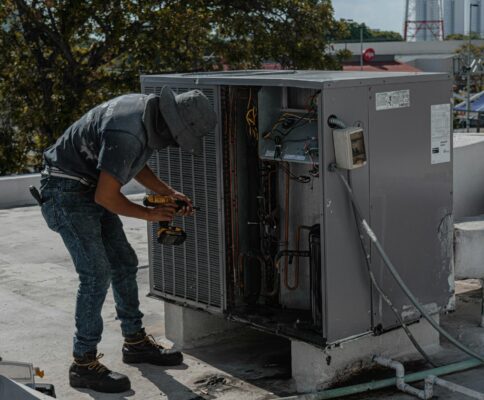
Inspect Your Air Conditioning System Thoroughly
In humid cities like Hendersonville, an efficient air conditioning system is essential during the sticky summer months. Even if your unit seems to be functioning, it’s important to take a closer look before temperatures spike. Your first step should be to switch on the system and check if the air coming out of the vents feels cold and strong. Weak airflow or warm air could signal low refrigerant levels, dirty coils, or duct obstructions.
Listen carefully to how your system sounds. If you hear rattling, hissing, or grinding, those aren’t just quirks; they’re signs of mechanical trouble. Also, look at your thermostat settings and check if the indoor temperature is keeping up with what’s displayed. If not, your unit might be overworked or underperforming. A sudden rise in your energy bill is another clue that your AC system is losing efficiency.
If anything seems off, don’t wait. Call in a professional who offers services such as maintenance and AC repair in Hendersonville, TN, to inspect the unit.
A quick tune-up now can save you from a breakdown during the hottest stretch of the year—and spare you the discomfort and cost of emergency repairs.
Seal Gaps and Cracks
Even small cracks can let warm air seep in and cool air slip out. That draft you barely noticed in spring can become a major problem once summer is in full swing. Go to each room and feel around the edges of windows and doors for warm air. If you spot any movement of air, those are areas that need sealing.
Apply fresh caulk or weather stripping where needed. All it takes is an afternoon to do this and you’ll observe a noticeable impact on how cool your home stays throughout the season.
Clean and Unblock Air Vents and Returns
Airflow plays a big role in how efficiently your home cools. Even the best AC system won’t perform well if your vents are blocked or dirty. Therefore, check every vent in your home. Make sure rugs, curtains, or furniture aren’t obstructing them.
Remove vent covers and vacuum inside to clear away dust and pet hair. Don’t forget the returns—they often collect just as much debris and should be cleaned with a damp cloth. With air flowing freely, each room cools faster, and your system doesn’t have to work as hard.
Test and Program Your Thermostat
Your thermostat is the brain of your home’s cooling system. Make sure it’s reading temperatures correctly. If you suspect it’s off, compare it to a standalone room thermometer. If there’s a clear difference, you might need to recalibrate or replace it.
Modern programmable thermostats allow you to set different temperatures throughout the day. You can let the house warm slightly while you’re out and cool it just before you return. This reduces energy usage without compromising comfort.
Check Attic Insulation and Ventilation
A hot attic can act like an oven for the rooms below. Without proper insulation and ventilation, that heat builds up and lingers, making your air conditioner work harder to keep things cool. Check the insulation across your attic floor and look for thin spots or gaps. Replace or add insulation where needed.
Also, inspect the vents. Ridge vents and soffit vents help release hot air, but they can get blocked by debris or even small animals. Clear them out and ensure air is moving freely. A well-ventilated attic helps your whole home stay cooler.
Service Ceiling Fans and Set Their Direction
While ceiling fans don’t actually lower the temperature, they make rooms feel cooler by improving air circulation. To get the most out of them, give the blades a good cleaning. Dust buildup can not only reduce airflow but also spread allergens. Once clean, make sure the fan is stable and not wobbling. Tighten any loose screws or brackets.
The direction of the blades is just as important. In summer, your fan should spin counterclockwise. This pushes air downward and creates a breeze-like effect, helping you feel several degrees cooler. If your fan has a switch for direction, flip it and stand underneath to test. You should feel the airflow directly on your skin. Using fans effectively allows you to raise the thermostat a few degrees without sacrificing comfort, ultimately lowering your cooling costs.
Inspect Outdoor Drainage and Gutters
Rainstorms may be brief in summer, but when they come, they can be intense. Poor outdoor drainage or clogged gutters can lead to water pooling around your foundation, which increases indoor humidity levels and puts your home at risk of mildew and dampness.
Start with your gutters. Clear out leaves, twigs, and debris so water can flow freely. Check the downspouts and make sure they carry water several feet away from the house. If they don’t, add extenders or splash blocks.
Examine Curtains, Blinds, and Window Films
Windows let in light, but during summer, they also let in a lot of heat. The right window treatments can dramatically reduce indoor temperatures. If you haven’t already, swap out dark, heavy drapes for light-colored, reflective ones. These bounce sunlight away instead of absorbing it.
Blinds are another effective option. Tilt them upward to deflect the sun’s rays, especially on south- and west-facing windows. For an added layer of defense, consider UV-blocking window films. They’re easy to apply and help cut down on solar heat gain without affecting your view.
Keeping your home cool during summer doesn’t always mean running the air conditioner nonstop. Simple checks and thoughtful adjustments can create a noticeable difference in comfort, efficiency, and even your energy bills. By making these essential checks, you reduce indoor heat sources and optimize your home for the season. The result? A space that stays cooler, feels fresher, and keeps you in control—no matter how high the temperature climbs.