
Health and Wellness
Why Gymnasts Should Use Sports Massage and Deep Tissue Massage to Stay Strong, Flexible, and Injury-Free
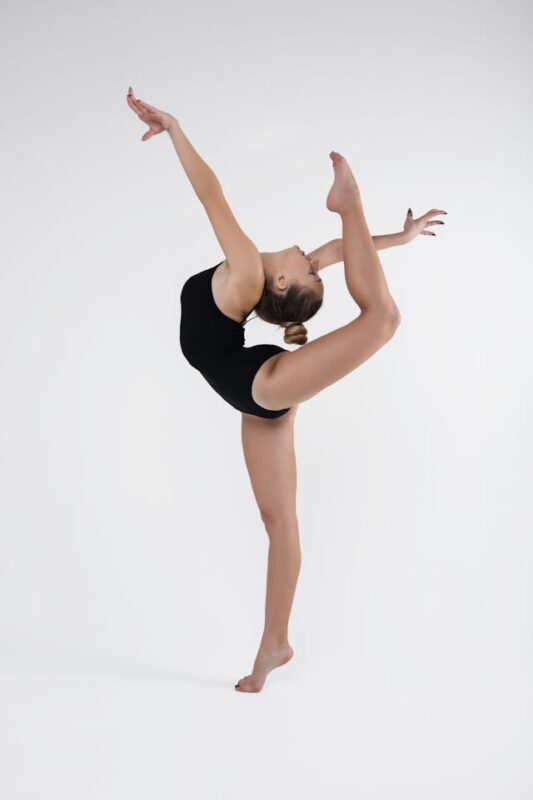
Gymnastics is one of the most physically demanding sports out there. It takes strength, flexibility, control, and endless hours of repetition. Whether you’re working on perfecting your floor routine, sticking your landings, or mastering new bar skills, your body is constantly being pushed to its limit. That’s why sports massage and deep tissue massage aren’t just helpful—they’re essential for gymnasts who want to stay healthy and perform at their best.
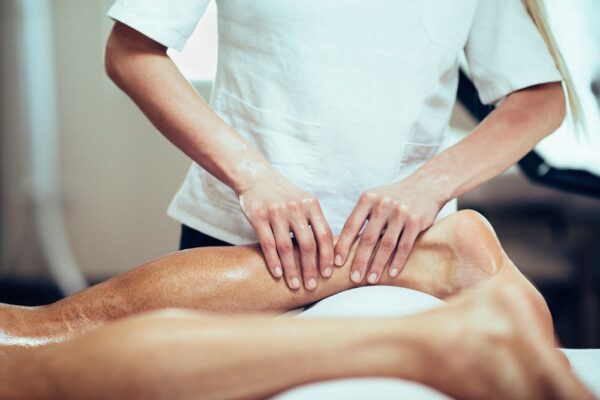
Sports Massage: The Ultimate Recovery Tool for Gymnasts
Sports massage is specifically designed for active people who train regularly—making it perfect for gymnasts. It’s not about relaxation—it’s about function. Sports massage targets the muscle groups most used during your training, helps prevent injury, and improves overall performance.
For example, if you’re training multiple hours per day, you’re placing constant stress on your shoulders, hips, wrists, and lower back. A sports massage therapist can spot and address tightness or imbalances before they become a problem. They use techniques like compression, cross-fiber friction, and assisted stretching to increase circulation, reduce soreness, and help muscles recover faster.
After just a few sessions, I noticed I was bouncing back quicker from training. My splits felt deeper, my landings were more controlled, and I wasn’t waking up sore every morning. Sports massage helped me train harder without risking burnout or injury.
Deep Tissue Massage: Unlocking Mobility and Fixing Chronic Tension
While sports massage supports ongoing recovery, deep tissue massage goes a step further—it works deep into the muscle and connective tissue to break up adhesions, scar tissue, and long-term tightness.
For gymnasts, that’s huge. Years of training can create stubborn knots in the back, shoulders, or hips that limit flexibility and mess with form. I had chronic tightness in my lower back and hip flexors that stretching alone couldn’t fix. One deep tissue session in, and I could feel things begin to shift. After a few more, I was moving more freely, hitting cleaner shapes in the air, and experiencing fewer flare-ups of pain.
Deep tissue massage isn’t always comfortable—but it works. It’s perfect for those areas that never seem to loosen up, no matter how much you stretch.
The Winning Combo for Gymnasts
Together, sports massage and deep tissue massage create the perfect recovery routine. Use sports massage weekly to keep your muscles fresh, mobile, and well-balanced during training cycles. Schedule deep tissue massage monthly or during breaks to reset your body and release long-term tension.
These treatments don’t just help with flexibility and soreness—they reduce injury risk, improve body awareness, and enhance performance. They allow you to train consistently, master new skills more efficiently, and show up to competitions feeling confident and ready.
Final Thoughts
If you’re serious about gymnastics—whether you’re competing or training recreationally—don’t ignore your recovery. Your body does incredible things in this sport, but it needs the right support to keep going. With sports massage and deep tissue massage as part of your routine, you’ll move better, recover faster, and perform at your absolute best.
Just like athletes rely on massage to maintain peak performance, a great barbershop routine helps you look and feel your best every day. Regular grooming keeps you sharp, confident, and ready to take on whatever challenges come your way—whether it’s on the mat or in the real world.
https://premiumbarbershop.com/
Pickleball has rapidly evolved from a niche backyard pastime into one of the fastest-growing sports in the world. With its unique blend of tennis, badminton, and ping-pong, it appeals to players of all ages and skill levels. As demand grows, so does the need for better facilities—especially indoor and private courts that offer year-round play, privacy, and customization. This article explores the rise of indoor pickleball and private courts, their design, benefits, and future trends, offering a comprehensive guide for enthusiasts, investors, and facility planners. Pickleball Athletic Club