
Life
Tree Diseases Homeowners Should Watch Out For

Table of Contents:
- Oak Wilt
- Dutch Elm Disease
- Anthracnose
- Emerald Ash Borer
- Fire Blight
- Powdery Mildew
- Sudden Oak Death
- Bacterial Leaf Scorch
- Ongoing Monitoring and Professional Guidance
Trees are not just beautiful features of our landscapes—they are also vital to the ecosystem, providing clean air, shade, privacy, and habitat for wildlife. However, despite their hardy appearance, trees are not immune to disease. Many common and uncommon diseases can compromise a tree’s health and even pose safety risks to your property. Awareness of these risks enables homeowners to take timely action, keeping their yards safe and attractive. Trees can become more resilient to the most serious threats with the right care, such as regular inspection, scheduled pruning, and specialized treatments like tree fertilization Arlington.
Spotting disease early and taking steps to prevent its spread keeps your landscape vibrant and helps maintain or even increase your property value. A healthy canopy can add curb appeal and make your outdoor spaces more enjoyable year-round. With ongoing vigilance and informed action, homeowners can give their trees the best chance of long, healthy lives.
Oak Wilt
Symptoms
Oak wilt often makes its presence known through abrupt symptoms such as rapid leaf discoloration, wilting, and premature leaf drop—signs that frequently start at the crown of the tree and spread downward. The leaves may turn dull green, bronze, or brown, and in some cases, large canopy sections can die within weeks.
Causes and Prevention
This grave tree disease is driven by a fungus transmitted through interconnected root systems (root grafts) and sap-feeding beetles attracted to open wounds on trees. Neighborhoods with many oaks are at high risk because the disease moves easily underground between adjacent trees. It is crucial to avoid pruning oaks during their active growing season (especially from April to July) when beetle activity is highest, as fresh wounds serve as entry points for the fungus. If pruning is unavoidable, promptly seal pruning wounds with a proper dressing.
Dutch Elm Disease
Symptoms
Affected elms often show yellowing and wilting leaves, frequently beginning at the uppermost branches before progressing downward. These symptoms can lead to considerable dieback and, if left untreated, eventual tree death. Leaves may curl and brown, and fallen leaves can accumulate under the canopy unusually early in the season.
Causes and Prevention
Dutch Elm Disease is mainly spread by elm bark beetles or through root contact between elms. Once inside, the fungus clogs the tree’s vascular system, blocking the flow of water and nutrients. Regularly inspecting your elms for early signs, combined with timely removal and destruction of infected limbs, is paramount. Professional fungicidal injections can sometimes help protect cherished trees, especially when caught in the early stages.
Anthracnose
Symptoms
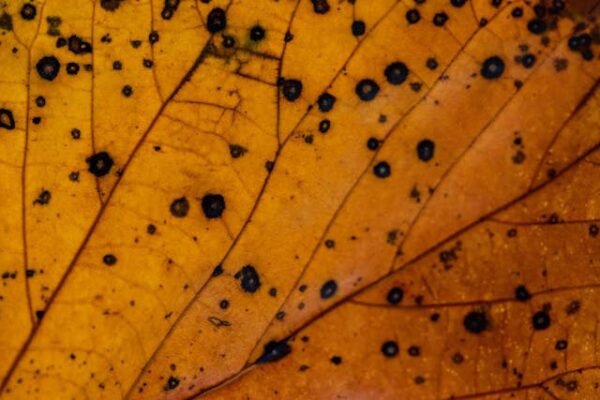
Anthracnose is notorious for causing irregular, dark, and sunken lesions on leaves, twigs, and even fruits. In affected trees, leaves may become distorted, with brown or black blotches along the veins. Severe infections result in premature leaf drop and twig dieback, leaving the tree unhealthy and sparse.
Causes and Prevention
This fungal disease prefers cool, damp spring conditions, allowing spores to spread rapidly, especially during rain or high humidity periods. To limit the spread, encourage good airflow by planting trees with adequate spacing and routinely clearing fallen leaves and twigs, which can harbor spores between seasons. Using fungicides during bud break is also an option in high-risk areas.
Emerald Ash Borer
Symptoms
The Emerald Ash Borer leaves behind several telltale signs, such as thinning canopies (especially at the top), increased woodpecker activity as birds hunt for larvae beneath the bark, and unique D-shaped exit holes marking where adult beetles have emerged. Over time, bark may split, lush growth (epicormic shoots) may spring from the trunk, and the overall decline of the tree becomes obvious.
Causes and Prevention
This invasive insect tunnels under the bark, disrupting the tree’s ability to move water and nutrients, ultimately leading to death if left unchecked. Although it cannot be eradicated once established, homeowners can use specific insecticides to protect ash trees before infestation. Avoid moving firewood, as this unknowingly spreads beetles to new areas.
Fire Blight
Symptoms
Trees affected by fire blight exhibit dramatic wilted tips that often curl and turn black, resembling branches scorched by flames. You may also encounter sunken cankers that ooze sticky, milky fluid on branches, and infected blossoms will shrivel and die.
Causes and Prevention
Fire blight is a bacterial infection primarily targeting apples, pears, and several ornamental species. It thrives in warm, rainy weather, particularly during the blooming phase. Prune infected limbs as soon as they are found—ideally during dry weather—and always disinfect pruning equipment between each cut to reduce accidental spread. Too much nitrogen fertilizer can make trees susceptible by encouraging rapid, tender growth.
Powdery Mildew
Symptoms
Powdery mildew is easy to spot—it presents as white, powdery fungal growth on leaves, stems, and sometimes flower buds. As infection progresses, leaves may become distorted, curl, and eventually yellow or brown. Heavy infestations can reduce tree vigor and inhibit growth in younger or sensitive trees.
Causes and Prevention
This widespread disease thrives in warm, dry climates, although it can persist in humid environments without proper airflow. The best prevention is to plant disease-resistant varieties, provide good spacing between trees, thin out dense canopies for better air movement, and remove any infected plant debris at the end of each season.
Sudden Oak Death
Symptoms
Sudden Oak Death often manifests as bleeding or oozing cankers on trunks and large branches, sometimes accompanied by dark streaks beneath the bark. Leaves will also develop irregular spots, wilt rapidly, and die back—sometimes in a single season, depending on environmental conditions.
Causes and Prevention
This devastating tree killer results from a water mold pathogen (Phytophthora ramorum) that spreads through contaminated soil, water, and plant material. To reduce the risk, sanitize all gardening and pruning tools before and after use, and never transport potentially infected wood or nursery stock from affected areas.
Bacterial Leaf Scorch
Symptoms
Visible symptoms include brown, scorched-looking edges on leaves with a noticeable yellow “halo” border, which typically appears in midsummer. As the disease advances, affected trees may shed leaves prematurely, leading to thinned canopies and a general decline in vigor over several seasons.
Causes and Prevention
This bacterial disease spreads via insects such as leafhoppers and sharpshooters, and unfortunately, there is no cure once the infection sets in. The best ways to limit its impact are to manage vector populations in and around your property and quickly remove severely infected trees.
Ongoing Monitoring and Professional Guidance
Keeping your property’s trees healthy requires regular monitoring, smart landscaping practices, and prompt attention to problems as soon as they surface. Early intervention—such as removing diseased limbs or consulting an expert—can make a big difference, often saving trees that might otherwise be lost. When in doubt, enlist the help of a certified arborist. These professionals can accurately diagnose problems and recommend tailored treatments that increase the chances of tree recovery while minimizing harm to your landscape. With knowledgeable care, you can enjoy strong, healthy trees and a stunning landscape for many years to come.