
Real Estate
Step-by-Step Guide to Finding the Right Real Estate Agent for Your Needs

Key Takeaways
- Key qualities in agents affect buying and selling success.
- Clearly defining your goals makes choosing an agent easier.
- Using online and offline resources can help you find the right fit.
- Interviewing and comparing agents ensures you make an informed choice.
- Understanding contracts and setting expectations leads to smoother transactions.
Table of Contents
- What Makes a Great Real Estate Agent?
- Deciding What You Need from an Agent
- Where to Start Your Search for an Agent
- How to Interview Potential Real Estate Agents
- Comparing Credentials and Track Records
- Red Flags to Avoid When Choosing an Agent
- Understanding Contracts and Agreements
- Next Steps After Choosing Your Agent
- Conclusion and Key Takeaways
What Makes a Great Real Estate Agent?
The difference between a smooth transaction and an overwhelming process often comes down to the skills and traits of your real estate agent. Great agents are effective communicators, attentive listeners, proactive negotiators, and highly organized professionals. They are adaptive, maintain deep local market knowledge, and prioritize clients’ best interests. These characteristics ensure you stay informed, avoid unnecessary stress, and confidently reach your real estate goals.
If you’re searching for trustworthy professionals in the Colorado area, Winter Park CO real estate agents The Simple Life Colorado can provide expertise and personalized service tailored to your unique buying or selling experience.
Deciding What You Need from an Agent
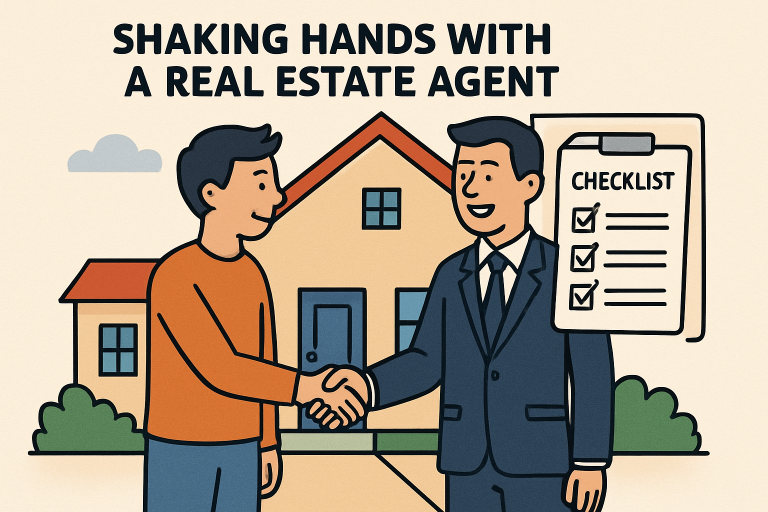
Before you start interviewing potential candidates, define your real estate objectives. Are you buying, selling, or searching for a specialized investment property? List your priorities: local expertise, negotiation skills, a proven sales record, or specific certifications for luxury or first-time homebuyers. Creating a checklist with your must-haves will help you stay focused as you evaluate your options.
Communicating whether you need assistance with staging, marketing, open houses, or digital exposure will allow you to find an agent whose skills match your needs. Consider your preferred communication style and availability–these details often make or break a client-agent relationship.
Where to Start Your Search for an Agent
Your search should begin both online and offline. Ask friends, family, and colleagues for recommendations, visit open houses to observe agents firsthand, and use reputable websites with verified reviews. Online platforms, such as the National Association of Realtors website, let you confirm whether an agent has an active license and good standing.
Professional associations are invaluable resources for verifying credentials, while sites like Zillow Agent Finder or Realtor.com Agent Directory provide customer feedback and sales history to guide your decision. Check local community boards and social media groups—they’re often filled with real client experiences that can inform your short list.
How to Interview Potential Real Estate Agents
Once you’ve narrowed your options, set up interviews—in person or virtually- and prepare questions that touch on their recent transactions, marketing strategies, knowledge of neighborhoods, and familiarity with your type of property. Ask about their availability, how they prefer to communicate, and how many clients they currently work with.
Listening carefully to how each agent describes their approach can reveal significant differences in style and priorities. An agent who confidently answers questions and focuses on your concerns is more likely to deliver excellent service.
Comparing Credentials and Track Records
Verify that your candidates possess valid licenses, relevant certifications (such as Accredited Buyer’s Representative or Certified Residential Specialist), and any specialties that suit your situation. Review their portfolio to gauge success with homes or clients like yours. Past performance, including sales volume, average days on the market, and list-to-sale price ratios, can highlight their effectiveness and consistency.
Consult external sources such as Forbes Advisor’s guide for additional tips on evaluating credentials and histories to ensure you choose a proven expert.
Red Flags to Avoid When Choosing an Agent
Beware of agents who use high-pressure tactics or make unrealistic promises, such as guaranteeing a specific sales price or ultra-fast closing. Lack of transparency, reluctance to show credentials, poor communication, or a one-size-fits-all strategy are warning signs. According to the Consumer Financial Protection Bureau’s guide, you should avoid agents unwilling to provide references or upfront information about fees and services.
Trust your instincts—if you feel uncomfortable or sense a lack of integrity during your interactions, it’s best to move on and find an agent committed to your best interests.
Understanding Contracts and Agreements
When you feel ready to sign, you’ll likely encounter agreements such as listing agreements for sellers or buyer–broker agreements for buyers. These documents outline the scope of work, duration, commission, and termination clauses. Before signing, read every section carefully and ask the agent to clarify unfamiliar terms. It’s essential to understand precisely what you’re committing to and how to end the agreement if necessary.
Don’t hesitate to ask for time to review contracts or consult a legal advisor to avoid pitfalls often encountered in real estate transactions.
Next Steps After Choosing Your Agent
Once you’ve selected your agent, communicate your goals, timelines, and preferences for updates at the outset. Develop a plan for regular check-ins, agree on your preferred method of communication, and set expectations for responses to questions or market changes.
A clear, proactive partnership enables you to navigate paperwork, negotiations, inspections, and closing confidently. Support your agent with timely documentation and honest feedback for the smoothest experience possible.
Conclusion and Key Takeaways
Selecting the right real estate agent is a crucial step in your property journey—whether buying, selling, or both. From vetting credentials and evaluating track records to transparent communication and understanding your needs, following a structured process increases your odds of a successful outcome. Finding an agent who is knowledgeable, reliable, and well-matched to your goals is key to a positive real estate experience.
Take your time, leverage available resources, and remember: the best agents earn your trust while delivering expert guidance tailored to your unique situation. Your next real estate adventure begins with making the right connection.
Finding the right agent really comes down to interviewing and checking reviews. I spent weeks comparing local agents and even looked up platforms like Zillow to see how they handle feedback found some eye-opening stuff on https://zillow.pissedconsumer.com/customer-service.html . Definitely worth doing that extra research before signing anything.