
Health and Wellness
What Causes Lower Back Pain? A Breakdown of Common Triggers
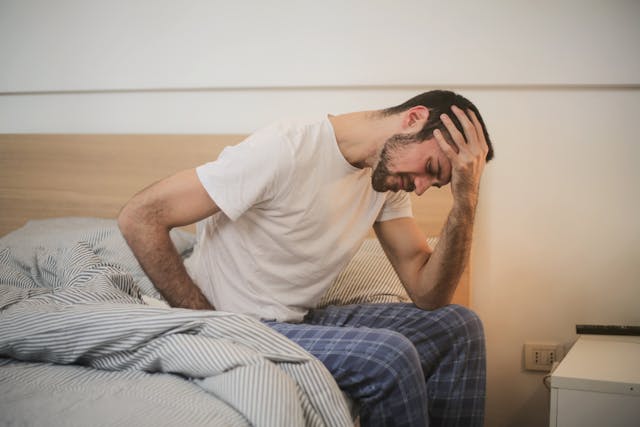
Lower back pain is one of the most widespread health complaints worldwide, affecting people of all ages and lifestyles. From minor stiffness to debilitating discomfort, it can interfere with daily activities, work, sleep, and overall quality of life. While occasional aches might stem from something as simple as poor posture or sitting too long, persistent pain often points to underlying issues that need attention.
Understanding the common causes of lower back pain can empower you to take preventative steps and seek appropriate treatment when necessary. For many people, simple adjustments—such as better posture, exercise, and using the right lumbar lower back support—can make a noticeable difference in reducing discomfort.
Below, we explore the most common triggers of lower back pain and what you can do about them.
1. Poor Posture and Sedentary Lifestyle
One of the most frequent culprits behind lower back pain is poor posture, often made worse by long hours spent sitting. Whether it’s slouching at a desk, hunching over a laptop, or lounging awkwardly on the couch, improper alignment of the spine places unnecessary strain on the lower back muscles and spinal discs.
A sedentary lifestyle compounds the issue. Sitting for extended periods weakens the core and gluteal muscles that normally support the spine, leaving the lower back vulnerable to injury. Over time, this can result in stiffness, chronic pain, and reduced mobility.
Tip: To counteract this, try standing up and stretching every 30–60 minutes. Strengthening your core and incorporating a supportive chair or cushion can also help maintain proper spinal alignment.
2. Muscle Strain and Overuse
Muscle strain is another leading cause of lower back pain. This typically occurs when you lift something heavy without proper technique, engage in sudden twisting movements, or push your body beyond its limits during exercise. Even repetitive activities, such as gardening or manual labour, can result in overuse injuries.
Strained muscles often present with localised pain, stiffness, and sometimes spasms. Fortunately, most cases improve with rest, heat therapy, and gentle stretching. However, recurrent strains may signal underlying weaknesses that require targeted strengthening exercises or professional guidance from a physiotherapist.
3. Herniated or Bulging Discs
Between the vertebrae of the spine are discs that act as cushions, absorbing shock and aiding movement. When one of these discs bulges or herniates, it can press on nearby nerves, leading to pain, numbness, tingling, or weakness that may radiate down into the legs (sciatica).
Disc issues often develop due to ageing, wear and tear, or sudden injuries. They can be particularly disruptive, and depending on severity, may require medical intervention such as physiotherapy, pain management, or even surgery in rare cases.
Tip: Preventive care is vital—maintaining strong core muscles, avoiding heavy lifting with poor form, and practising good posture can help protect spinal discs.
4. Degenerative Conditions
As we age, natural wear and tear on the spine can contribute to degenerative conditions that cause lower back pain. These include:
– Osteoarthritis: Breakdown of cartilage in the joints, causing stiffness and pain.
– Spinal stenosis: Narrowing of the spinal canal, which places pressure on nerves.
– Degenerative disc disease: Loss of fluid and flexibility in spinal discs over time.
These conditions often result in chronic discomfort that worsens with activity. While they cannot always be fully reversed, treatments such as physiotherapy, anti-inflammatory medications, or the use of supportive devices can greatly improve mobility and reduce pain.
Where degenerative spinal issues are part of the picture, early assessment and targeted rehabilitation can make a real difference to day-to-day function. Local services often combine hands-on treatment with tailored exercise programmes and gym-based conditioning to rebuild strength and mobility. For south London residents seeking a nearby option, this physiotherapy clapham clinic provides specialist assessment and bespoke treatment plans that can be integrated with ongoing conditioning work. Taking that first step toward a structured programme helps prevent decline and supports long-term pain management.
5. Poor Sleeping Habits and Unsupportive Mattresses
The way you sleep has a significant effect on spinal health. Sleeping on a mattress that doesn’t provide adequate support can cause your spine to fall out of alignment, leading to morning stiffness and ongoing back discomfort.
Back pain sufferers may find relief in adjusting their sleeping position or using specially designed supports. For example, side sleepers often benefit from placing a pillow between their knees, while back sleepers can use a lumbar cushion to maintain natural spinal curvature. Investing in a quality mattress tailored to your needs can also make a world of difference.
6. Stress and Emotional Factors
Surprisingly, stress can be a significant contributor to lower back pain. When under pressure, many people unconsciously tense their muscles, particularly in the shoulders and lower back. Chronic stress can also amplify the perception of pain, making discomfort feel more intense.
Mind-body techniques such as yoga, meditation, and breathing exercises can help reduce muscle tension and promote relaxation. Regular exercise, adequate rest, and healthy lifestyle habits are equally important in managing both stress and its physical impact on the body.
7. Injuries and Accidents
Traumatic events such as car accidents, sports injuries, or falls can damage the spine, muscles, or ligaments, leading to both acute and long-term pain. Even if discomfort subsides initially, underlying injuries may resurface later without proper treatment.
In such cases, medical evaluation is essential to rule out fractures, slipped discs, or other structural damage. Early intervention can prevent minor injuries from developing into chronic conditions.
8. Occupational Risks
Certain professions carry a higher risk of lower back pain due to repetitive strain, heavy lifting, or prolonged standing. Construction workers, warehouse employees, nurses, and even office staff often report frequent back issues linked to their work environment.
Employers can help reduce the risk by implementing ergonomic solutions, providing proper lifting training, and encouraging regular breaks. Individuals, meanwhile, should consider supportive accessories such as lumbar cushions or adjustable standing desks to minimise strain.
9. Medical Conditions
Lower back pain can also be a symptom of underlying medical issues such as:
– Kidney stones or infections: Pain may radiate from the back to the sides or groin.
– Endometriosis: Can cause pelvic and lower back discomfort in women.
– Fibromyalgia: Widespread pain and fatigue often include the lower back.
If your pain is persistent, unexplained, or accompanied by other symptoms such as fever, weight loss, or bladder/bowel issues, it’s crucial to seek medical advice promptly.
10. Lack of Core Strength and Flexibility
Your core muscles-including the abdominals, obliques, and lower back-play a vital role in stabilising the spine. Weak or tight muscles can disrupt balance, reduce flexibility, and increase the likelihood of back strain.
Incorporating exercises that strengthen and stretch the core can significantly reduce pain and prevent future injuries. Pilates, yoga, and targeted strength training are all excellent options for maintaining spinal health.
For readers in Minnesota whose lower back pain continues despite changes to exercise and daily habits, consulting a Professional chiropractor near Woodbury MN is one option for discussing their symptoms and whether an individual assessment may be appropriate.

Taking Control of Lower Back Pain
Lower back pain is rarely caused by a single factor—it’s usually the result of multiple influences, from lifestyle habits to structural issues. The good news is that most cases can be improved with a combination of preventive measures and appropriate treatment.
Practical steps include:
– Maintaining good posture throughout the day.
– Using ergonomic furniture and supportive cushions.
– Incorporating regular stretching and core-strengthening exercises.
– Managing stress and adopting relaxation techniques.
– Investing in quality mattresses and supportive pillows.
For those who experience ongoing discomfort, consulting a healthcare professional is essential for accurate diagnosis and tailored treatment. By identifying the root cause, you can find effective strategies to relieve pain and prevent it from recurring.
Lower back pain may be common, but it doesn’t have to be something you simply put up with
Whether it’s adjusting your posture, managing stress, or adding a lumbar lower back support to your daily routine, small changes can have a big impact on your comfort and long-term spinal health. By understanding the triggers and addressing them early, you can protect your back, improve mobility, and enjoy a healthier, more active life.
I especially appreciate the emphasis on addressing core strength and flexibility, which often get overlooked. Also, I found it worth mentioning that the team at Jacana Wellness offers some excellent botanical based body care, like their Releaf Balm and body oils, that could be very complementary in a holistic approach to back discomfort – especially when coupled with the preventive steps https://jacanawellness.com