
Business
The Rise of Private Label Cereal: A Comprehensive Guide

Why Brands are Pouring into Private Label Cereals
The strategic advantages of venturing into private label cereal production are compelling, offering brands a robust pathway to increased profitability, improved brand control, and direct consumer engagement. This model enables businesses to establish a distinct identity in a competitive market, moving beyond the traditional reliance on established national brands.
The Financial Advantage
One of the primary drivers for brands to accept private-label cereals is the significant financial upside. By bypassing the marketing and distribution overheads associated with national brands, private labels inherently offer higher profit margins. This allows for more competitive pricing, which in turn attracts price-sensitive consumers without compromising the brand’s profitability. Control over the supply chain, from ingredient sourcing to manufacturing, further optimizes costs and ensures efficiency. This scalability means that as demand grows, production can be ramped up cost-effectively, making private label an attractive long-term investment.
Building Your Brand, Your Way
Beyond the financial benefits, private label cereals provide an unparalleled opportunity for brand building. Unlike simply reselling existing products, private labeling allows for complete control over product formulation, ensuring that the cereal aligns perfectly with your brand’s vision and values. From unique flavor profiles to specific nutritional targets (e.g., low sugar, high protein), every aspect can be customized. This extends to packaging, where creative design and compelling storytelling can differentiate your product on the shelf. The direct feedback loop with customers, often facilitated through direct-to-consumer channels or close retail partnerships, enables agile adjustments and fosters strong brand loyalty. This direct interaction builds significant brand equity, turning a simple breakfast item into a cornerstone of your brand’s identity.
Top 5 Benefits of Launching a Private Label Cereal:
1. Increased Profit Margins: Direct control over production and supply chain reduces costs.
2. Full Brand Control: Complete autonomy over product formulation, quality, and aesthetics.
3. Market Agility: Ability to quickly adapt to consumer trends and dietary preferences.
4 . Improved Customer Loyalty: Products custom to specific needs foster stronger brand connections.
5. Lower Barrier to Entry: Access to established manufacturing expertise simplifies market entry.
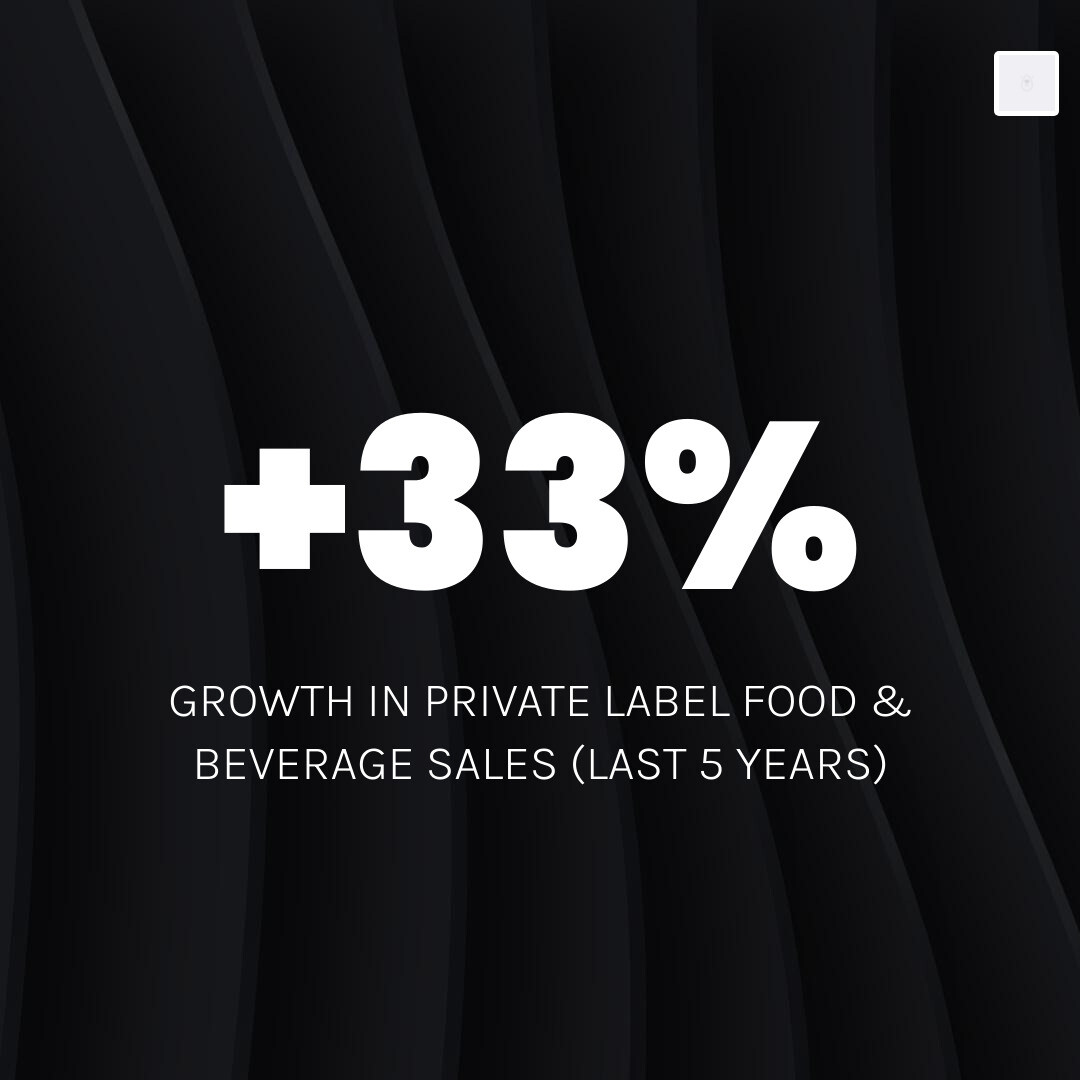
The Anatomy of a Private Label Cereal: Product and Packaging
Developing a private label cereal involves a meticulous process of defining the product, sourcing ingredients, and designing packaging that resonates with your target audience. It’s about crafting a unique offering that stands out in a crowded market.

What Types of Cereals Can Be Produced?
The versatility of private label manufacturing means a vast array of cereal types can be produced to meet diverse consumer preferences. Manufacturers like Mulder Breakfast Cereals and Dryfo offer extensive options. This includes:
- Flakes: Classic corn flakes, wheat flakes, or even innovative blends.
- Puffed Grains: Light and airy rice puffs or wheat puffs, often used in children’s cereals or as a base for healthier options.
- Muesli & Granola: Blends of rolled oats, nuts, seeds, and dried fruits, either loose (muesli) or baked into clusters (granola). Smile Natural Foods specializes in granolas and mueslis, highlighting their expertise in this area.
- Extruded Shapes: Rings, squares, stars, or other fun shapes, often fortified with vitamins and minerals.
- Co-extrusion: Cereals with a filled center, such as chocolate or cream-filled pillows.
- Shredded Wheat: Dense, fibrous biscuits made from whole wheat.
- Hot Cereals and Oatmeal: Instant or traditional oats, often with added flavors or ingredients.
Manufacturers like YouBar can even co-manufacture nutrition-dense cereals, including high-protein, low-sugar, plant-based, and keto-friendly options, showcasing the breadth of possibilities.
How Do Organic and Gluten-Free Options Impact Offerings?
The demand for organic and gluten-free products continues to surge, significantly impacting private label cereal offerings. Incorporating these options requires specific considerations:
- Organic Certification Process: This involves strict adherence to organic farming standards for all ingredients, no synthetic pesticides or fertilizers, and processing in certified organic facilities. Manufacturers like Stephano Group Ltd. are certified in Organic production, ensuring compliance.
- Sourcing Certified Ingredients: A robust supply chain is crucial to source organic-certified grains, fruits, and other components consistently.
- Requirements for Gluten-Free Facilities: To ensure no cross-contamination, dedicated gluten-free production lines or stringent cleaning protocols are necessary. Manufacturers must often undergo third-party certification to label products as gluten-free. Stephano Group Ltd. also holds Gluten-Free certification.
- Non-GMO Project Verification: While often overlapping with organic, Non-GMO verification provides an additional layer of assurance for consumers concerned about genetically modified organisms.
- Meeting Specific Consumer Dietary Demands: Offering these specialized options broadens your market reach, catering to health-conscious consumers and those with dietary restrictions. Organic Milling, for instance, focuses on “good-for-you” products and can produce certified organic and non-GMO cereals.
What Are the Available Packaging Options?
Packaging is not just about protection; it’s a critical component of brand identity and consumer appeal. For private label cereals, options are diverse:
- Traditional Bag-in-Box: The most common format, offering ample space for branding and information. The inner bag protects freshness.
- Flexible Stand-Up Pouches: Increasingly popular for their convenience, resealability, and reduced environmental footprint.
- Single-Serving Packs: Ideal for on-the-go consumption, portion control, or sampling.
- Sustainable and Recyclable Materials: With growing environmental awareness, brands are opting for packaging made from recycled content, compostable films, or materials that are easily recyclable.
- The Role of Packaging Design in Brand Identity: The Creative Pack LLC emphasizes that packaging is a key differentiator. A well-designed package communicates brand values, highlights key product attributes (e.g., organic, gluten-free), and captures consumer attention on the shelf. It’s the first tangible interaction a customer has with your private-label cereal.
From Concept to Breakfast Bowl: The Development Process
Bringing a private label cereal to market is a structured journey, typically involving close collaboration between the brand and the manufacturer. This process ensures that the final product meets both quality standards and market expectations.

Step 1: Ideation and Formulation
The journey begins with a clear vision. This involves:
- Defining the Target Audience: Who are you trying to reach? Children, health enthusiasts, busy professionals, or specific dietary groups?
- Recipe Development: Based on the target audience, initial recipes are drafted, taking into account flavor profiles, textures, and ingredients.
- Setting Nutritional Goals: This is where specific claims like “low sugar,” “high protein,” “fiber-rich,” or “keto-friendly” are integrated into the formulation. YouBar, for example, specializes in formulating cereals to meet these specific dietary needs.
- Flavor Profiling and Testing: Developing unique and appealing flavor combinations that stand out from competitors.
Step 2: Sourcing and Sampling
Once the concept is clear, the practical development begins:
- Ingredient Procurement: Manufacturers leverage their networks to source high-quality ingredients, often with certifications like organic, non-GMO, or fair trade. Dryfo, for instance, offers a broad selection of premium cereals sourced from trusted growers.
- Sample Creation and Sensory Testing: Small batches are produced for internal and external testing. This involves evaluating taste, texture, aroma, and appearance.
- Iterative Feedback and Refinement: Based on sensory feedback, the formulation is adjusted and re-tested until the desired product is achieved. This collaborative approach ensures the final product aligns perfectly with the brand’s vision.
Step 3: Production and Quality Assurance
Ensuring the quality and safety of private label cereals is paramount, as it builds consumer trust and brand reputation.
- Adherence to Manufacturing Standards (SQF, BRC): Reputable manufacturers operate under stringent food safety and quality management systems like Safe Quality Food (SQF) or British Retail Consortium (BRC). Organic Milling is an SQF Level 3-Certified manufacturer, and Stephano Group Ltd. is repeatedly BRC ‘AA’ Certified, signifying their commitment to excellence.
- Food Safety Protocols: Comprehensive protocols cover everything from raw material handling to finished product storage, including HACCP (Hazard Analysis and Critical Control Points) plans.
- Allergen Control Programs: Strict measures are in place to prevent cross-contamination of common allergens, crucial for products making allergen-free claims.
- Ensuring Consistency Through Quality Checks: Regular checks are performed throughout the production process, from ingredient inspection to final product testing, to ensure uniformity in taste, texture, and nutritional content.
- Lot Tracking for Traceability: Each batch is assigned a unique lot number, enabling complete traceability from raw materials to the consumer —a vital aspect for safety and recalls, if necessary. CIBUM Associates LLC highlights the importance of regulatory compliance and accurate labeling, which includes proper ingredient and allergen declarations.
The Ultimate Guide to Cereal Private Label Manufacturing
Choosing the right manufacturing partner is perhaps the most critical decision in launching a private-label cereal. It’s about finding a collaborator who understands your vision and has the capabilities to bring it to life efficiently and to the highest standards.
Key Considerations When Choosing a Manufacturer
When vetting potential partners, consider these crucial factors:
- Certifications (Organic, Kosher, Gluten-Free): Ensure the manufacturer holds the necessary certifications relevant to your product claims. This validates their ability to consistently produce specialized items.
- Minimum Order Quantities (MOQs): MOQs vary significantly between manufacturers. Smaller brands may need to find partners with lower MOQs, while larger retailers can leverage higher volumes for better pricing.
- Production Capabilities and Technology: Evaluate their equipment, capacity, and ability to produce the specific types of cereals and packaging formats you require. Sunny Crunch Foods, for instance, has 50 years of experience as a white label manufacturer for cereals and snack bars, indicating extensive capabilities.
- R&D Support and Expertise: A strong R&D team can provide invaluable support in formulation development, ingredient sourcing, and troubleshooting, helping to create innovative and market-ready products.
- Location and Logistics: Proximity to your distribution centers or target markets can impact shipping costs and lead times.
The success of a private label cereal hinges on navigating a complex supply chain. From sourcing specialized ingredients globally to managing international logistics, having the right cereal private label manufacturing partner is crucial for steering production and ensuring a smooth path from concept to consumer.
Understanding the Cost of Cereal Private Label Production
The cost implications of private label cereal production are multifaceted and depend on several variables:
- Ingredient Costs: Premium, organic, or specialty ingredients will naturally increase costs.
- Formulation Complexity: More complex recipes requiring unique processing steps or a high number of ingredients can be more expensive.
- Packaging Choices: Sustainable materials, intricate designs, or specialized formats (e.g., single-serve pouches) can add to the per-unit cost.
- Production Volume: Higher volumes generally lead to lower per-unit costs due to economies of scale.
- Certification Fees: Costs associated with obtaining and maintaining organic, gluten-free, or Kosher certifications.
- Shipping and Warehousing: Logistics costs from the manufacturer to your distribution points.
Here’s a comparison of estimated startup costs for different cereal types:
Cost Category Basic Corn Flake Cereal (Conventional) Premium Organic, Gluten-Free Granola
Ingredient Costs Low (standard corn, sugar) High (organic oats, nuts, superfoods)
Formulation Complexity Low, Medium to High
Packaging (Bag-in-Box) Standard Premium (e.g., stand-up pouch)
Production Volume (MOQ) Higher (e.g., 10,000 lbs) Lower (e.g., 2,000 lbs)
Certification Fees None Organic, Gluten-Free
R&D/Setup Fees Moderate Higher
Standing Out in a Crowded Aisle: Trends and Differentiation
The breakfast cereal market is highly competitive, with both established national brands and a proliferation of private label options vying for consumer attention. To succeed, private label cereals must not only offer value but also a compelling reason for consumers to choose them.

Current Trends in the Private Label Cereal Market
Staying abreast of market trends is crucial for developing private-label cereals that resonate with modern consumers:
- “Better-for-you” Ingredients: A strong emphasis on whole grains, natural sweeteners, and functional ingredients.
- High Protein & Fiber Formulations: Cereals designed to provide sustained energy and satiety. YouBar specifically highlights its ability to co-manufacture high-protein cereals.
- Low-Sugar and Keto-Friendly Options: Responding to health trends that prioritize reduced sugar intake and ketogenic diets.
- Plant-Based and Vegan Cereals: Catering to the growing number of consumers adopting plant-based lifestyles.
- Inclusion of Superfoods: Incorporating ingredients like chia seeds, flax seeds, quinoa, and ancient grains for added nutritional benefits. Organic Milling emphasizes using “superfoods galore” and healthy ingredients.
- Sustainable and Transparent Sourcing: Consumers are increasingly concerned about the origin of their food and its environmental impact. Brands that can demonstrate ethical sourcing and sustainable practices gain a significant advantage.
How to Differentiate Your Brand
Differentiation is key to capturing market share and building a loyal customer base for your private label cereal:
- Creating Unique Flavor Combinations: Move beyond traditional flavors. Experiment with exotic fruits, spices, or unexpected ingredient pairings to offer a novel taste experience.
- Telling a Compelling Brand Story: What is the ethos behind your brand? Is it about family, health, sustainability, or adventure? A strong narrative creates an emotional connection with consumers.
- Investing in Eye-Catching Packaging Design: As highlighted by The Creative Pack LLC, design is paramount. High-quality, distinctive packaging can make your product stand out on the shelf and effectively communicate its premium nature or unique selling points.
- Targeting Niche Diets: Specializing in specific dietary needs (e.g., paleo, grain-free, allergen-friendly) allows you to cater to underserved markets and establish yourself as an expert in that segment.
- Emphasizing Transparency in Sourcing and Production: Clearly communicate where your ingredients come from, how they are processed, and your commitment to quality and safety. This builds trust and reinforces your brand’s integrity. Dryfo, for example, emphasizes its broad selection of premium cereals sourced from trusted growers.
By strategically aligning with these trends and focusing on clear differentiation, private label cereal brands can not only compete effectively but also thrive in the dynamic breakfast market.
Great article! I really appreciated how you broke down the private label cereal market — especially the parts about sourcing certified ingredients and finding a manufacturer with the right capacity. It’s eye-opening to see how much goes into packaging design and consumer trust.
I wonder — for smaller brands just starting out, which area do you think is the most challenging: obtaining certifications (organic, gluten-free, etc.) or setting up supply chain logistics?
Steal A Brainrot is an intense Roblox game where players master the art of stealing valuable Brainrot memes to build wealth and dominate leaderboards.
I never really thought about the financial advantages, like bypassing marketing costs. It’s cool how brands can build a unique identity this way. Thanks for the info!
Thanks for this guide on private label cereal! I found the part about higher profit margins really interesting. It makes sense that skipping marketing costs helps brands earn more.
I found this article really insightful! It’s fascinating how private label cereals can give brands so much control over their products, from ingredients to packaging. I never realized how much thought goes into flavor development and catering to dietary trends — it makes me appreciate the cereal aisle in a whole new way.
This was a great read. I like how it breaks down the benefits of private labeling beyond just cost savings. The sections on organic and gluten-free options really stood out to me — it’s clear that meeting consumer needs today is about more than just taste. The attention to quality and certifications really sets successful brands apart.
Wow, this article really breaks down the private label cereal game. Seems like a smart move for brands looking to boost profits and connect with customers directly! Who knew there were so many types of cereal you could make?
Thank you for this comprehensive guide on the rise of private label cereal! It offers deep insights into market trends and consumer behavior.
Great article! I really appreciated how you broke down the private label cereal market — especially the parts about sourcing certified ingredients and finding a manufacturer with the right capacity.
This is a pretty interesting read! I never really thought about private label cereal before. It’s cool how brands can customize everything to fit their vision. I wonder if any of them will make a UMA Racing Game themed cereal!
This article does a fantastic job breaking down the private-label cereal landscape. The clarity around formulation, certification, and differentiation really highlights how complex the industry is behind what seems like a simple breakfast item.
I really appreciate how this guide explains the importance of product development, especially the role of R&D and sensory testing. Many people underestimate how much science goes into a bowl of cereal.
Your section on packaging design and brand identity stood out. It’s absolutely true that packaging is often a brand’s loudest voice on the shelf, especially in a crowded supermarket aisle.
The discussion on trend alignment — from keto to plant-based to superfood ingredients — feels extremely relevant in today’s health-driven market. Brands that innovate in this space will definitely stand out.
I see how brands can customize everything, even flavors.=
Strategic thinking is key, whether you’re placing dominoes in a clever puzzle like this brain-training challenge or managing a clicker game’s moral economy on a budget-conscious journey. Both games sharpen the decision-making skills useful for analyzing market trends, like the savvy rise of private label cereals.
This comprehensive guide brilliantly outlines the strategic power of private label, especially the control over branding and agility it provides. For brands seeking a truly unique identity in a crowded market, creative differentiation is key. Engaging directly with a dedicated community can offer invaluable insights, much like the chaotic fun found in steal a brainrot free, a creative
‘The Rise of Private Label Cereal,’ huh? Interesting! I’m kinda surprised by how much control brands can have over product formulation.
I found the breakdown of the financial advantages particularly valuable, highlighting how brands can achieve higher profit margins by bypassing national brand marketing and distribution overheads.
This comprehensive guide highlights the growing trend and benefits of private label cereals, offering valuable insights for brands aiming to stand out in the competitive market.
Here, players can explore trend games across various genres like arcade, driving, action, and puzzle games.
Love Tester is a fun game that features amusing questions, an interface that is eye-catching, and sound effects that are upbeat and positive. The game offers a unique entertainment experience, sparking players’ curiosity and exploration of love. Love Tester is the ideal choice for unwinding and making pleasant memories with friends and family because it features unique questions and components that are surprising.
This was a really interesting and informative read! I hadn’t realized how much private label cereals have evolved over the years. It’s impressive to see how many store brands now offer quality, nutrition, and taste that can compete with well-known national brands, often at a much more affordable price. I also appreciated the discussion about changing consumer preferences and how factors like value, ingredient quality, and sustainability are influencing purchasing decisions. This guide does a great job of explaining why private label cereals have become such a strong presence in the market. Thanks for putting together such a comprehensive and insightful article!