
Health and Wellness
Proactive Strategies to Safeguard Your Vision Against Glaucoma

Key Takeaways
- Regular eye examinations are essential for catching glaucoma early and minimizing irreversible vision loss.
- Healthy lifestyle choices can help manage intraocular pressure and reduce risk factors for developing the disease.
- Protective habits, such as wearing proper eyewear and managing stress, play a crucial role in maintaining lifelong eye health.
Table of Contents
- Regular Eye Examinations
- Regular Exercise
- Protective Eyewear
- Stress Management
- Avoid Smoking
- Moderate Caffeine Intake
- Know Your Family History
Glaucoma is a leading cause of irreversible blindness, often progressing with little to no warning until significant vision loss has occurred. Due to its subtle onset, prevention and early intervention are crucial. Adopting targeted strategies not only minimizes your chances of vision impairment but also helps you avoid more invasive interventions, such as glaucoma surgery, down the road. By familiarizing yourself with practical prevention measures, you can significantly reduce your risk and strengthen your long-term eye health.
While some risk factors are genetic and unavoidable, daily choices and lifestyle adjustments can significantly impact your eye protection. Learning the early signs, understanding your unique risk scenarios, and prioritizing routine eye care will keep you ahead of this “silent thief of sight.” Education and timely action are the strongest shields against future complications.
Regular Eye Examinations
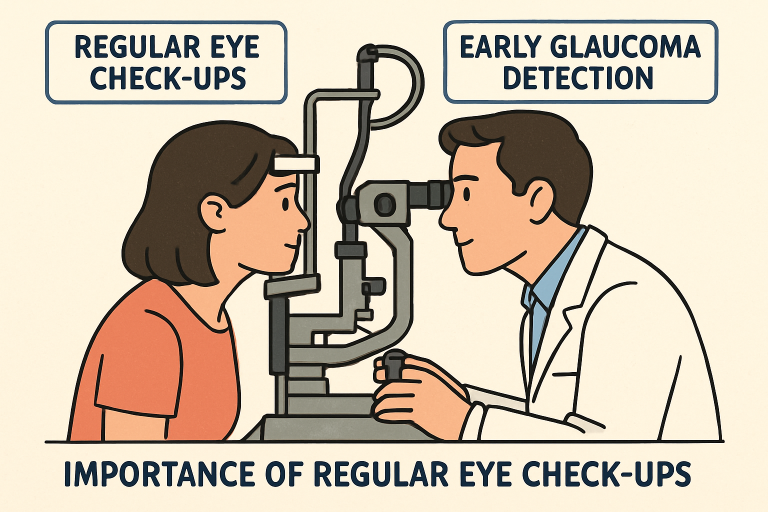
Routine comprehensive eye exams are your primary defense against glaucoma. Detecting early changes in eye pressure and optic nerve health provides the best opportunity to manage or even slow disease progression before vision loss begins. According to the Mayo Clinic, adults under 40 should undergo a dilated eye exam every two to four years, with the frequency increasing with age or according to individual risk factors. Individuals with a family history or additional risk factors should discuss customized screening intervals with their eye care provider to ensure timely intervention.
Regular Exercise
Aerobic exercise is linked to reduced intraocular pressure and healthier optic nerve function. Activities like brisk walking, swimming, or cycling three to five times weekly encourage better blood flow to eye tissues. While exercise is beneficial, those at risk for glaucoma should consult an eye specialist before starting a new activity plan to avoid any exercise-induced pressure spikes that could aggravate underlying conditions. Exercise is a low-cost, accessible measure to prevent many chronic ailments, including glaucoma.
Protective Eyewear
Trauma to the eye can result in secondary glaucoma, making protective eyewear essential for high-risk activities such as contact sports and certain occupations involving hazardous equipment. Wearing sunglasses that block 99-100% of UVA and UVB rays helps shield the eyes from harmful solar radiation, thereby preventing structural damage that can ultimately increase the risk of glaucoma. Even simple household tasks, like lawn mowing or using power tools, warrant the use of protective goggles to reduce the risk of accidental eye injuries. For professional eye care, regular screenings, and guidance on maintaining long-term eye health, consider reaching out to sites like brownseyecenter.com.
Stress Management
Chronic, unrelieved stress can impact intraocular pressure and overall eye health. Scientific studies suggest that mindfulness practices, such as yoga, meditation, or deep breathing, may help alleviate eye pressure and slow disease progression in patients with glaucoma. Practicing relaxation techniques regularly supports better cardiovascular health and may protect the eyes over the long term. Managing emotional and physiological stress is a relevant yet often overlooked piece of the prevention puzzle.
Avoid Smoking
Smoking doubles the risk of many serious eye conditions, including glaucoma. The harmful toxins in tobacco smoke injure blood vessels supplying the optic nerve, compromise immunity, and contribute to chronic inflammation. According to the CDC, quitting smoking reduces glaucoma complications by improving vascular health in the eyes and throughout the body, and they provide guidance on effective strategies to help people quit.
Moderate Caffeine Intake
Large amounts of caffeine may cause a temporary spike in intraocular pressure, particularly concerning for those genetically predisposed to glaucoma. It’s best to drink caffeinated beverages in moderation (no more than one or two servings per day) and to monitor for any vision changes that might indicate increased eye pressure. Staying hydrated by drinking water throughout the day also helps maintain healthy intraocular pressure levels.
Know Your Family History
Having a first-degree relative with glaucoma significantly increases your risk of developing the disease—sometimes as much as nine-fold. Sharing your family’s eye health background with your doctor is crucial, as it may warrant earlier and more frequent exams. Proactive family health communication empowers you and your physician to catch subtle changes laid out by your genetics long before common symptoms arise.
Integrating these evidence-based habits into your daily routine forms a comprehensive strategy for protecting your sight and minimizing the threat of glaucoma. While regular check-ups and lifestyle habits are your best defense, knowing when to discuss options like glaucoma surgery with your eye specialist is invaluable for preserving vision as you age.
Mental health is a fundamental aspect of overall well-being, influencing every part of our lives—from our emotions and thoughts to our behavior and relationships with others. Good mental health enables individuals to cope with stress, make meaningful decisions, work productively, and maintain healthy connections with those around them. When mental health is compromised, it can lead to serious consequences such as depression, anxiety, social isolation, and even physical health problems. In today’s fast-paced world, where stress and uncertainty have become common, prioritizing mental health is more important than ever. Timely access to professional support and treatment helps prevent the development of severe disorders and improves quality of life. Investing in mental health at both the individual and societal levels promotes not only personal happiness but also fosters stronger, more resilient, and compassionate communities.
https://arcarapsychiatry.com/
Regular eye exams and healthy habits are crucial for preventing glaucoma. Just like mastering a game like ジオメトリーダッシュ, proactive strategies lead to better vision health!
Very insightful—great reminder that lifestyle choices, family history, and proactive care all play a big role in protecting vision against glaucoma
Thank you for highlighting these proactive strategies to preserve vision – the emphasis on regular eye exams, stress management, and lifestyle habits is really important. For anyone wanting to take further steps in hearing and vision care, you might also find helpful resources at HearWell Services https://hearwellservices.com
Growden https://growden.games
Grow a garden in Growden.io,players can freely plant their dream garden,cultivate crops, and unlock adorable pets,enjoying the fun of harvesting together with friends.
wplacelive https://wplacelive.org
Escape Road 2 https://escaperoad-2.net
Escape Road 2 – Free Online Game Start Your Escape Now
Pokepath
Pokémon Tower Defense Game
Eye protection is so crucial, especially since we’re on our phones and computers all day. I had no idea exercise could benefit our eyes too – definitely need to work out more regularly!
This paragraph is in fact a nice one it assists new web visitors, who are wishing for blogging. Speaking of tools, looking for OpenClaw skills? Visit Verified OpenClaw Skills for a curated list of verified community tools.
I never knew exercise could help lower eye pressure! Starting my daily walks right away.
Scritchy Scratchy – Free Online Scratch Card Game | Play Now
Play Geometry Dash and Scratch Games free in your browser. Official levels and community-created versions. No download—instant play.
Seedance 2.0 transforms text and images into stunning 1080p AI videos with cinematic quality.
GPT Image 2 — Advanced AI image generation powered by OpenAI’s latest model, creating stunning, photorealistic images from text descriptions in seconds.
Nano Banana 2 — Powered by Gemini 3.1 Flash Image, delivers 4K ultra-wide output with lightning-fast generation in just 1-2 seconds
Pokepath Tower Defense — Casual strategy fun, free to play straight from your browser
AI Short Video Generator — Create scroll-stopping short videos for TikTok, Instagram Reels, YouTube Shorts, and paid ads in under 2 minutes
This game is absolutely insane… I did the Pierrot route and my heart was POUNDING at the end. Can’t wait to try Harlequin’s route!
I’ve been diligent about regular eye exams since learning that glaucoma often shows no symptoms until vision loss begins, and catching elevated pressure early made all the difference for treatment options. Keeping track of health metrics through various apps works well for me, similar to how I use arcskilltree to map out character progression in games—consistency with tracking helps spot patterns before they become problems (arcskilltree summary). Setting reminders for eye drops and scheduling annual appointments has
Regular eye exams are so crucial since early stages have no symptoms. Taking care of our eyes turns everyone into a proactive health mii maker for their own future.
Play Geometry Dash World online free. Master the beat in two vibrant worlds – Dashland and Toxic Factory with 10 exciting levels.