
House and Home
A Guide to Different Architectural Styles in Residential Homes
Table of Contents
- Queen Anne Style
- Craftsman Style
- Mid-Century Modern
- Ranch-Style Homes
- Northwest Regional Style
- How to Choose the Right Style
- Bringing Style to Life
Residential architecture offers a fascinating window into history, culture, and personal expression. From the clean lines of modern designs to the ornate details of Victorian homes, each architectural style tells a story about the era, lifestyle, and craftsmanship that shaped it. Understanding these differences can help homeowners, buyers, and enthusiasts appreciate the aesthetic and functional choices that make a house feel like a home. Whether you’re drawn to cozy cottages, stately Colonial houses, or contemporary minimalist designs, exploring architectural styles inspires building and decorating spaces that reflect individual taste.
Insights from top real estate professionals can help guide those considering their own home projects or browsing the market for a home that aligns with their taste. For example, Dedham MA real estate agent Elena Price offers a valuable perspective on which styles hold value in specific neighborhoods and what to look for when assessing a property’s architectural features, helping buyers make informed decisions while finding a home that complements their lifestyle.
Queen Anne Style
The Queen Anne style rose to prominence in the United States during the late 19th century, spanning the 1880s and beyond. Characterized by its lively and elaborate detail, Queen Anne homes are known for their asymmetrical facades, patterned shingles, elaborate spindle work, and picturesque towers or turrets. Expansive wraparound porches and brightly painted exteriors—iconically visible in San Francisco’s “Painted Ladies”—are also hallmarks of this vibrant style. The Queen Anne look appeals to those who love ornate craftsmanship and architectural whimsy.
Many restored Queen Anne properties have become historical landmarks, offering a sense of place and nostalgia within their communities. By preserving or adapting the detailed woodwork and unique layouts, homeowners keep this rich legacy alive for future generations.
Craftsman Style
The early 20th century saw a significant turn toward simplicity, natural materials, and artisanal craftsmanship—values at the core of the Craftsman style. Common features include low-pitched, gabled roofs, deep eaves with exposed rafters, and generous front porches supported by tapered columns. Interiors often showcase original wood built-ins, open floor plans, and large, multi-paned windows intended to facilitate a close relationship with nature.
Craftsman homes continue to be highly sought after for their durability, livability, and warmth. They embody the principles of quality over quantity, centered around functional beauty and tailored spaces. Homeowners often appreciate how well Craftsman homes combine coziness, character, and timeless materials.
Mid-Century Modern
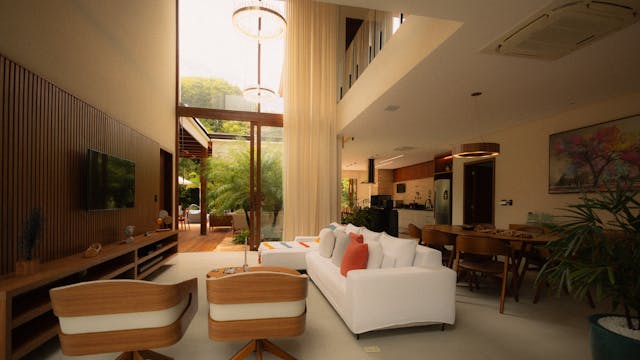
For fans of minimalist aesthetics and open design, Mid-Century Modern homes have captivating appeal. Emerging in the mid-20th century, this style is defined by clean lines, broad windows, and open plans that emphasize horizontal planes and indoor-outdoor connectivity.
Mid-Century Modern homes are appreciated for their seamless blend with nature, innovative structural elements, and commitment to functionality. The style remains influential in contemporary architecture, encouraging homeowners to rethink boundaries between inside and out, and to prize simple, pragmatic elegance.
Ranch-Style Homes
Originating in the 1920s and surging in popularity during the postwar boom, ranch-style homes—sometimes called American or California ranch—are prized for informal family living. These homes are generally single-story with long, low-pitched roofs and an open-concept layout. Large windows and sliding doors emphasize a connection to the home’s outdoor surroundings, while attached garages and patios enhance convenience.
The ranch home’s accessibility and adaptability make it a perennial favorite in suburban neighborhoods. Its versatile layout easily accommodates contemporary updates while retaining its original charm and practical appeal.
Northwest Regional Style
In the lush, forested landscapes of the Pacific Northwest, the Northwest Regional style grew out of a desire to harmonize homes with their natural environments. Built primarily between 1935 and 1960, these dwellings are notable for their asymmetrical floor plans, extensive glasswork, and use of unpainted woods that celebrate local materials. Rather than clearing land, designers of this genre preserve existing trees and vistas, making the home feel intertwined with its setting.
This sensitivity to site and climate results in residences that feel warm, sustainable, and deeply contextual—qualities that are increasingly relevant to modern homeowners.
How to Choose the Right Style
Selecting an architectural style is both a practical and personal process. Begin by considering your climate, lot size, and how you hope to use the space. Do you value traditional craftsmanship, or are you more inspired by innovation and simplicity? Think about your family’s lifestyle, your tastes, and how the house layout will support your daily life and future needs. Consulting with specialists and studying different examples can provide the clarity and inspiration needed to choose a style that feels like home.
Bringing Style to Life
Understanding architectural styles offers more than aesthetic appreciation—it helps homeowners make informed choices that suit both lifestyle and environment. Whether drawn to the ornate charm of Queen Anne homes, the cozy functionality of Craftsman designs, or the sleek simplicity of Mid-Century Modern, exploring these options encourages thoughtful decision-making. Incorporating personal preferences, practical needs, and environmental considerations ensures a home that is both beautiful and functional. By studying styles, consulting experts, and reflecting on daily life, homeowners can select a residence that truly reflects their personality while standing the test of time.
If you are planning to live in or renovate one of these homes, it’s worth remembering that a beautiful design also needs solid infrastructure behind it. That’s where a professional service like Mr Fix It Plumbing can make a big difference – whether it’s a cozy Craftsman bungalow or a sleek Mid Century Modern house, good plumbing installation and maintenance help turn architectural vision into a comfortable, functional home https://mfiplumbing.com/