
Business
Building Trust and Delivering Excellence: How 3 Different Industries Champion the Client

The Core Principles of a Truly Client-Centric Business
When we discuss client-centricity, we’re talking about an organizational philosophy that places the client at the heart of every decision and action. This isn’t just about good customer service; it’s a fundamental approach that shapes operations, product development, and client interactions. At its core, a client-first approach involves active listening, personalized solutions, and a steadfast commitment to building trust and fostering long-term relationships. Proactive communication is the connective tissue that holds these elements together, ensuring clients feel informed, valued, and understood throughout their journey.

This cycle begins with listening intently to client needs, personalizing solutions to meet those needs, delivering exceptional service or products, and following up to ensure satisfaction and gather feedback for continuous improvement.
What It Means to Put the Client First
Putting the client first means developing a deep sense of empathy for their situation, whether they’re renovating a bathroom, undertaking a major home improvement, or seeking legal counsel. It’s about understanding their underlying needs, not just their stated requests. For instance, a client asking about a “back to wall toilet” might not just be interested in the product itself, but also in maximizing space in a compact bathroom, achieving a minimalist aesthetic, or ensuring ease of cleaning. A client-centric business anticipates these unspoken desires and strives to exceed expectations by offering thoughtful solutions. Robust feedback loops are crucial here, allowing us to continuously refine our understanding and service delivery based on real-world client experiences.
The Role of Transparency in Building Lasting Trust
Trust is the bedrock of any successful client relationship. Transparency is paramount in establishing and maintaining this trust. This means honest communication about what to expect, clear processes for how work will be conducted, and accountability for outcomes. There should be no hidden fees or unexpected surprises. When discussing product options, such as different types of back-to-wall toilets, a transparent approach involves clearly outlining the features, benefits, and any considerations for installation. This level of openness empowers clients to make informed decisions and reinforces their confidence in our expertise and integrity.
Case Study 1: Home Services – Prioritizing Homeowner Comfort and Functionality

In the field of home services, particularly plumbing, prioritizing homeowner comfort and functionality is not just a goal; it’s a necessity. From ensuring a leak-free installation to advising on the most water-efficient fixtures, every task requires technical expertise, meticulous attention to detail, and a proactive approach to problem-solving. The ultimate measure of success is homeowner satisfaction, knowing that their living space is not only functional but also improves their daily comfort.
The Impact of a Client-Centric Business in Skilled Trades
For homeowners, the choice of bathroom fixtures, like a back-to-wall toilet, is often driven by a blend of practical needs and aesthetic preferences. A client-centric home services provider understands this duality. They don’t just install; they consult, offering insights into the various types of back-to-wall toilet suites available. These might include compact designs ideal for smaller spaces, comfort-height models for improved accessibility, or rimless options for superior hygiene. We consider the benefits of features such as soft-close seats, which prevent slamming and reduce wear, and water-efficient flushing mechanisms, which contribute to lower utility bills and environmental sustainability.
The materials used are also a key consideration. Most quality back-to-wall toilets, for example, are crafted from durable vitreous china, known for its longevity and easy-to-clean, non-porous surface. Some models feature advanced glazes, like “Ultra Glaze Finish,” which further improve ease of cleaning and hygiene by creating an ultra-smooth surface. The durability of these materials ensures a long-lasting fixture that withstands daily use.
Installation requirements are another area where client-centricity shines. Back-to-wall toilets require a concealed cistern, which is hidden within the wall or a furniture unit, offering a sleek, minimalist look. This necessitates careful planning and execution, including considerations for compatible flush plates and cisterns. Many modern back-to-wall pans are designed with flexible trap options, such as a “Vario Trap,” allowing for adjustable set-outs to accommodate both P-trap and S-trap configurations, which simplifies installation in various bathroom layouts.
Focusing on specific homeowner needs is crucial, whether for emergency repairs or detailed projects. True professionals ensure the final result aligns perfectly with the client’s vision, as seen in successful, client-focused Oakley toilet installations. This involves understanding not just the technical specifications, but also the client’s desire for a particular design aesthetic—be it a classic, modern, or even a ‘junior’ range for family bathrooms. The goal is always to deliver a solution that is not only expertly installed but also perfectly suited to the client’s lifestyle and design preferences.
Communication as the Foundation for Success
Effective communication is the bedrock of a successful home services project. Clients appreciate being kept informed with regular project updates, from the initial consultation to the final installation. This includes clearly explaining different product options, such as the various back-to-wall toilet models and their respective features, and outlining the installation process. Respect for the homeowner’s property and privacy is paramount, ensuring that work areas are kept tidy and disruptions are minimized. Timeliness in scheduling and project completion further builds trust and demonstrates professionalism, leading to a smoother and more positive experience for everyone involved.
Case Study 2: Home Improvement – Crafting Personalized Living Spaces
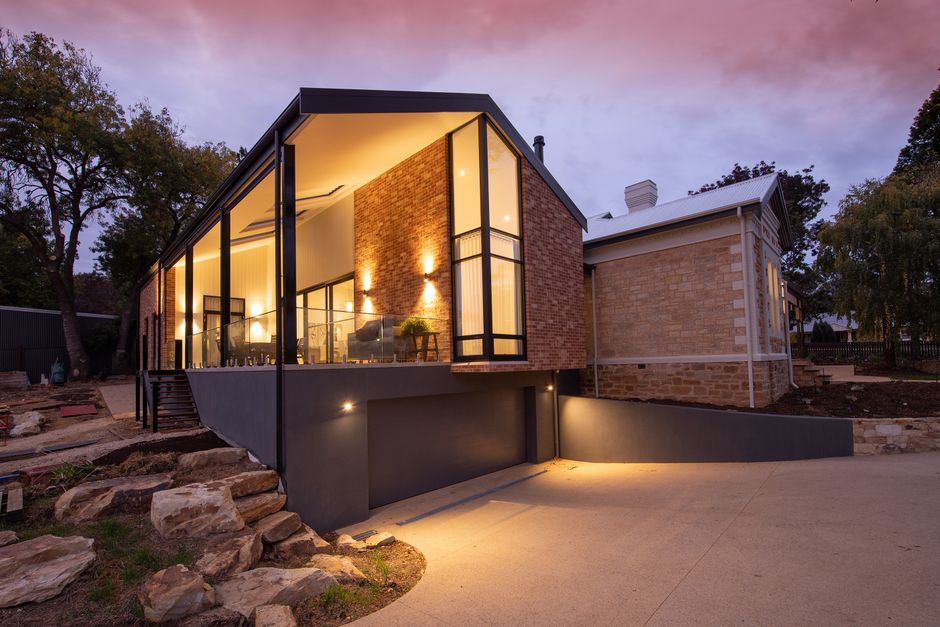
Home improvement projects, from minor renovations to major overhauls, are deeply personal endeavors. They are about translating individual visions into tangible living spaces that reflect unique tastes and needs. Whether it’s enhancing curb appeal with new exterior finishes or redesigning an interior for improved functionality, the process demands close collaboration, an unwavering commitment to material quality, and expert project management.
How a Client-Centric Business Delivers on Aesthetic Vision
When clients start on home improvement, they’re often seeking to create a specific atmosphere or achieve a particular aesthetic. For instance, selecting the right fixtures for a bathroom, such as a back-to-wall toilet, contributes significantly to the overall design. Client-centric businesses excel at guiding homeowners through these choices, offering insights into design and aesthetic options. This might include various finishes for accompanying WC units (like natural oak), different styles of flush plates (chrome, matte black, brushed nickel), and a range of toilet seat options to complement the bathroom’s décor. The goal is to ensure that every element, down to the smallest detail, harmonizes with the client’s desired look and feel.
A home’s exterior is a personal statement. The best outcomes are achieved when contractors engage in deep collaboration with homeowners, turning ideas into reality through processes like client-centric brick exterior design. This collaborative spirit extends to all aspects of home improvement, ensuring that the finished project truly resonates with the homeowner’s vision.
Beyond the Build: Ensuring Long-Term Satisfaction
Quality craftsmanship is non-negotiable in home improvement. It’s about delivering a result that not only looks good but also stands the test of time. This includes selecting durable materials and ensuring expert installation for all components, including bathroom fixtures. A client-centric approach extends beyond project completion, offering robust warranty support for products and workmanship. For example, some back-to-wall WC units come with a substantial guarantee, such as a 6-year warranty, while certain toilet suites might offer a 5-year guarantee, providing homeowners with peace of mind. Post-project follow-up is also essential to ensure long-term satisfaction, address any unforeseen issues, and gather valuable feedback. Valuing homeowner input at every stage, from initial design to final walkthrough, ensures that the end result is a space they truly love and that continues to serve their needs for years to come.
Case Study 3: Legal Services – Championing the Individual’s Rights

In the legal field, the stakes are often high, and clients are frequently navigating complex, stressful situations. A client-centric approach in legal services means practicing with empathy, providing clear guidance through intricate legal processes, and advocating fiercely for the individual’s rights. It’s about more than just legal expertise; it’s about being a compassionate guide and a steadfast champion.
The Importance of a Client-Centric Business in Personal Advocacy
When individuals seek legal assistance, they are often in vulnerable positions, facing challenges that can profoundly impact their lives. A client-centric legal practice prioritizes understanding these personal impacts, offering support that goes beyond mere legal representation. This is particularly vital in areas like personal injury law, where clients may be dealing with physical, emotional, and financial burdens. The focus shifts from simply winning a case to ensuring the client’s overall well-being and securing the best possible outcome for their recovery and future.
Navigating legal challenges requires a guide who prioritizes the individual’s well-being. This is especially true in personal injury cases, where a Client-centric Lyft accident attorney Houston focuses on providing empathetic, dedicated support, ensuring clients understand their rights and the path forward.
Explaining the Process for Peace of Mind
One of the most significant services a client-centric legal professional can offer is clarity. This involves simplifying complex legal jargon, setting clear and realistic expectations about potential outcomes and timelines, and providing regular, understandable updates on the case’s progress. By explaining the legal process, attorneys can alleviate client anxiety and empower them to participate more confidently in their own defense or claim. It’s about fighting for fair outcomes while ensuring the client feels supported and informed every step of the way.
How Consumers Can Identify a Client-Focused Company
In an increasingly competitive marketplace, distinguishing genuinely client-focused companies from those merely paying lip service to the idea is crucial. Consumers have powerful tools at their disposal to make informed choices.
Key Questions to Ask Any Service Provider
When evaluating a potential service provider, whether for a back-to-wall toilet installation or a major renovation, asking the right questions can reveal their true commitment to client-centricity. Inquire about their process: How do they ensure your needs are understood? Can they provide examples of past projects, perhaps showcasing various back-to-wall toilet types they’ve installed, from compact designs to overheight models? Understanding their communication protocols is also vital – how often will you receive updates, and through what channels? Finally, clarify the project scope and any potential contingencies to avoid surprises. A truly client-centric company will welcome these questions and provide clear, comprehensive answers. They should also be able to discuss how their offerings compare to other brands or types of toilets, helping you understand the value and performance differences.
The Value of Testimonials and Reviews
Online reviews and testimonials offer invaluable social proof of a company’s commitment to its clients. Platforms like Trustpilot and Google Reviews provide a window into the real-world experiences of previous customers. Look for patterns in feedback: Do multiple reviews praise clear communication, attention to detail, or timely project completion? While individual experiences can vary, a consistent theme of positive client satisfaction is a strong indicator of a client-centric approach. These insights can help you gauge not only the quality of their work but also their dedication to customer service and their ability to deliver on promises. When considering where to purchase products like back-to-wall toilet suites, seeking out reputable specialized bathroom suppliers or plumbing outlets with strong positive reviews is always a best practice.
Conclusion
The principle of client-centricity is not confined to a single industry; it is a universal standard for excellence. From the precise installations in home services to the transformative designs in home improvement and the empathetic advocacy in legal services, putting the client first consistently leads to superior outcomes and enduring trust. We’ve seen how understanding specific product features, like the water efficiency, material durability, and installation nuances of a back-to-wall toilet, is improved when delivered through a client-focused lens.
As consumers, we are empowered to choose businesses that genuinely value us. By seeking transparency, asking insightful questions, and leveraging the collective wisdom of online reviews, we can partner with companies that not only meet our needs but also exceed our expectations, building trust and delivering excellence every step of the way.