
House and Home
Enhancing Your Home’s Value with a New Residential Driveway
Key Takeaways
- A new driveway can increase home value by 5-10% with an ROI of 50-75%.
- Material choice impacts cost, durability, and aesthetic appeal.
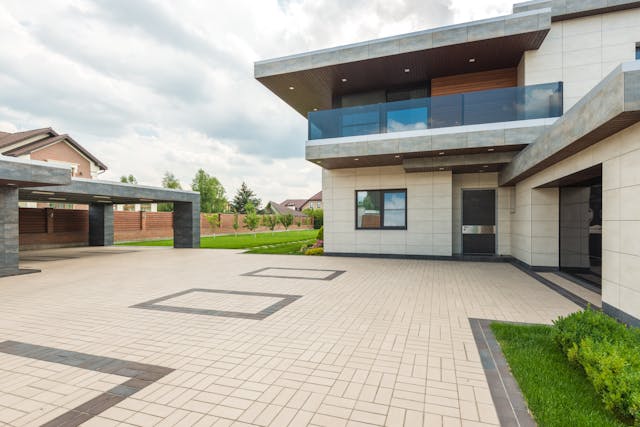
- Design elements like permeable pavers and integrated landscaping enhance curb appeal.
- Regular maintenance is essential for longevity and sustained property value.
Table of Contents
- Impact of Driveways on Home Value
- Choosing the Right Driveway Material
- Design Considerations for Maximum Appeal
- Maintenance and Longevity
- Cost vs. Return on Investment
- Environmental and Regulatory Factors
- Conclusion
- Frequently Asked Questions
Investing in a new residential driveway is a strategic move that can significantly boost your home’s curb appeal and overall market value. A well-designed and properly installed driveway not only enhances the aesthetic appeal of your property but also offers functional benefits that prospective buyers find attractive. For homeowners in New Jersey, Tomasso Contracting stands out as a trusted provider of high-quality paver brick and concrete driveways. With over three decades of experience, they specialize in asphalt resurfacing, crack filling, sealcoating, hardscaping, and concrete services, ensuring durable and visually appealing driveways. Serving areas including Clark and Morganville, NJ, Tomasso Contracting is committed to delivering exceptional results tailored to each client’s needs.
Impact of Driveways on Home Value
The condition and appearance of your driveway play a crucial role in forming first impressions. A new, well-maintained driveway can increase your home’s value by 5-10%, offering a return on investment (ROI) of 50-75% upon resale. Conversely, a damaged or outdated driveway can decrease property value and deter potential buyers.
Modern homebuyers are increasingly concerned with both functionality and curb appeal when evaluating potential purchases. This means that improvements to your driveway not only enhance aesthetics but can also position your home as move-in ready. Appraisers often take note of the driveway’s quality when calculating your home’s overall value, especially in competitive markets. In areas where snow and ice are a concern, a new driveway, particularly with heating elements or proper drainage, is seen as a major plus. Lenders may also look favorably at homes where all exterior features, including the driveway, are in excellent condition, further aiding the sales process.
Choosing the Right Driveway Material
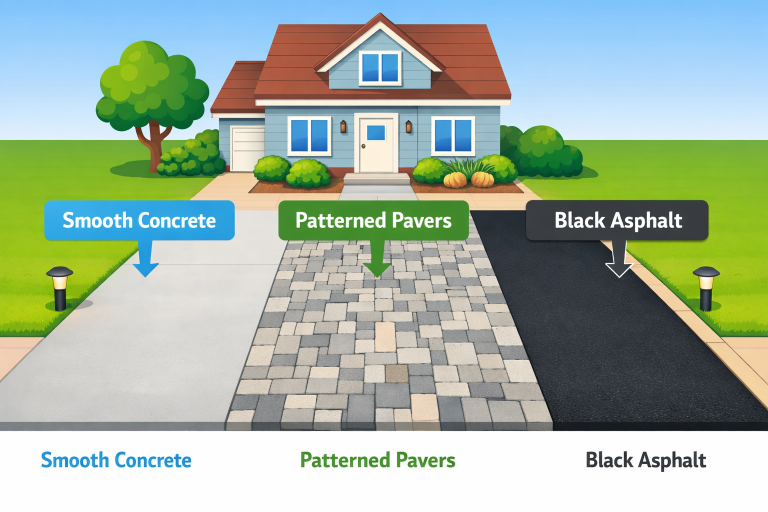
Selecting the appropriate material for your driveway is essential for maximizing both aesthetic appeal and durability. Common options include:
- Asphalt: Affordable and quick to install, with an ROI of 50-65%. Requires periodic maintenance such as sealcoating every 2-3 years.
- Concrete: Durable and customizable, offering an ROI of 60-75%. Higher upfront cost but longer lifespan.
- Pavers: High-end appearance with an ROI of 70-80%. Most expensive option, but offers design flexibility and easy repairs.
Other emerging driveway materials include resin-bound aggregates, which offer unique textures and permeability, as well as recycled materials for eco-conscious homeowners. Understanding your soil conditions and local weather patterns can help you choose the most suitable material. It’s also worth considering the color and finish; contemporary homes may benefit from bold, geometric paver designs, while traditional homes often look best with classic brick or exposed aggregate concrete.
Design Considerations for Maximum Appeal
Incorporating thoughtful design elements can further enhance your driveway’s impact:
- Permeable Pavers: An eco-friendly option that manages stormwater effectively.
- Stamped Concrete: Mimics the look of stone or brick at a lower cost.
- Integrated Landscaping: Adding greenery or lighting along the driveway can create a welcoming ambiance.
Lighting is another crucial design component; well-placed LED or solar lights improve both visual appeal and nighttime safety. Bordering your driveway with flower beds or low hedges creates a seamless connection with the rest of your landscaping. Even the approach to your driveway can be enhanced with decorative pillars or subtle elevation changes to create a grander entrance.
Maintenance and Longevity
Regular maintenance extends your driveway’s lifespan and preserves its appearance. For instance, asphalt driveways require sealcoating every few years, while concrete may need occasional sealing and crack repairs. Proper upkeep ensures safety and sustains property value.
Annual cleaning, such as pressure washing, removes debris and stains, keeping surfaces looking their best. Promptly addressing cracks, chips, or paver movement will prevent minor issues from turning into expensive repairs. Professional maintenance services, such as those offered by Tomasso Contracting, can ensure optimal care for your investment. Additionally, winter weather preparation, such as prompt snow removal, is essential to extending the life of your driveway in New Jersey’s climate.
Cost vs. Return on Investment
While the initial cost of installing a new driveway varies based on material and design complexity, the potential increase in property value often justifies the investment. For example, a new concrete driveway costing $5,000-$10,000 can add $3,000-$7,500 to your home’s value, resulting in a substantial ROI.
Advanced options, such as radiant heating elements or an intricate paver design, may further increase your upfront costs, but they can also transform your driveway from a simple utility into a key selling feature. Consulting with an experienced contractor lets you tailor your investment to your neighborhood’s market trends. Even if you do not plan to sell your home soon, the everyday convenience and pride of ownership that come with a beautiful, functional driveway add immeasurable value.
Environmental and Regulatory Factors
Consider local regulations and environmental impact when planning your driveway. Some areas have guidelines on materials and drainage to prevent runoff issues. Opting for permeable materials can address these concerns and offer additional benefits, such as reduced water pooling.
Obtaining proper permits can help avoid costly corrections or fines later. Modern driveway. Still, they often must meet minimum permeability or green infrastructure requirements, especially in environmentally sensitive or flood-prone neighborhoods. Choosing sustainable materials and integrating rain gardens or bioswales at the edges of your driveway can further support local biodiversity and stormwater management efforts, while also making your property stand out as an eco-friendly choice.
Conclusion
Upgrading to a new residential driveway is a strategic enhancement that improves curb appeal, increases property value, and offers functional benefits. By selecting the right materials, incorporating thoughtful design, and committing to regular maintenance, homeowners can achieve a significant return on investment and enjoy a more attractive and practical property.
With changing market expectations and greater emphasis on sustainable living, investing in a state-of-the-art driveway is more important than ever. Partnering with experienced professionals, like Tomasso Contracting, ensures your project is completed to the highest standards, adding lasting value to your home and community.
Frequently Asked Questions
How often should I seal my asphalt driveway?
It’s recommended to seal an asphalt driveway every 2-3 years to maintain its appearance and durability.
Which driveway material offers the best return on investment?
Paver driveways typically offer the highest ROI (70-80%), followed by concrete (60-75%) and asphalt (50-65%).
Are there eco-friendly driveway options?
Yes, permeable pavers are an environmentally friendly option that allows for effective stormwater management.
How does driveway condition affect home resale?
A well-maintained driveway enhances curb appeal and can expedite the sale process, while a damaged driveway may deter buyers and reduce offers.
What is the average lifespan of a concrete driveway?
With proper maintenance, a concrete driveway can last 30 years or more.
Can I customize my driveway to match my home’s architecture?
Absolutely! Driveways can be customized with various materials, patterns, borders, and colors to complement any home style, ensuring a cohesive overall look that further enhances your property’s value.
Should I consult with a contractor or try a DIY approach?
While some minor maintenance can be handled DIY, professional contractors bring expertise, industry tools, and knowledge of local codes that ensure your driveway installation or replacement meets the highest standards and yields the best results.
A new driveway can make a home feel more polished before anyone even reaches the front door. We replaced ours after years of patching cracks, and the difference was surprisingly noticeable. Parking became easier, rainwater drained better, and the entrance looked much tidier. Around the same time, I was comparing home security options and came across https://adt.pissedconsumer.com/review.html , which reminded me that practical upgrades often matter just as much as decorative ones. Good materials and proper preparation seem worth the investment. A well-planned driveway adds convenience every day and gives the whole property a cared-for, welcoming appearance for years to come.