
Health and Wellness
Top Signs You Need Professional Help with Grief
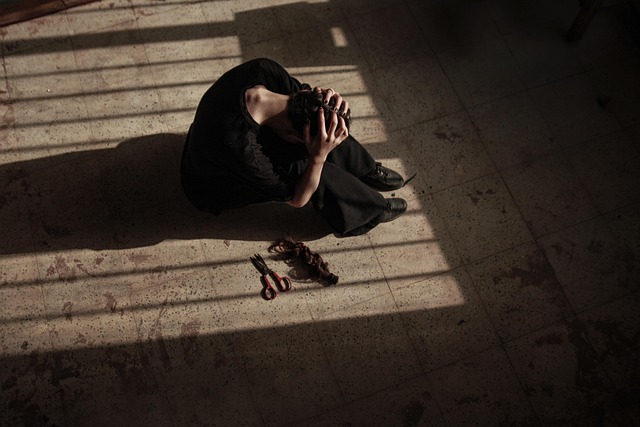
Grief is undoubtedly one of the most challenging life experiences that one can face. Whether you are dealing with losing a loved one or you have just ended a relationship. You could also experience a big life change. Grief can undoubtedly affect every aspect of life. That said, everyone processes their loss differently. Nonetheless, there are times when grief can become incredibly overwhelming, even difficult to manage alone.
It is important to understand the potential signs that indicate you need extra support. And realizing these signs is never a sign of weakness. The truth of the matter is that seeking help can be one of the healthiest steps towards genuine healing.
Read on to learn more!

Your Feelings Are Not Improving Over Time
The thing about grief is that it does not follow a strict timeline. In other words, there is no right way to heal and get over grief. Nonetheless, while the pain of loss remains. The truth of the matter is that most people gradually learn how to cope with grief over time. Even if weeks and months have passed, your emotions might feel just as intense as before or even worse. In such a scenario, it is high time to consider professional support.
Many grieving people find that grief counseling services in Midtown NYC actually provide a safe space to process difficult emotions and cope with healthy strategies.
Rest assured, a counselor can help you actually understand your feelings without judgment and rightfully guide you through the healing process.
You Are Struggling with Daily Responsibilities
If you are recognizing that you are struggling with daily responsibilities to the point of feeling incredibly exhausted, then you need professional help.
It is absolutely normal to feel less motivated or less energetic on some days. However, if you find yourself running in a circle where you are finding it consistently difficult to go to work, attend school, or even take care of yourself, you must treat it as a sign that you need additional support.
You Are Constantly Feeling Isolated
Everyone deals with grief differently. Many people withdraw from others after losing someone. Spending more time alone can actually be a part of the healing process. On the other hand, continuous isolation can cause damage. It can actually make your grief feel heavier. That said, if you find yourself in a headspace where you are constantly avoiding others, social events, and activities that you once enjoyed, then it is high time to reach out for help.
With the help of professional counselors, you can reconnect with others, along with addressing the emotional barriers that could keep you isolated.
Your Sleeping & Eating Habits Have Significantly Changed
Grief affects your mental, emotional, and physical health.
You might experience trouble sleeping, loss of appetite, constant fatigue, and overeating. Occasional changes are actually common, especially after a loss. However, if you detect that these issues continue for months to the point of affecting your health, then you should not wait but seek professional help right away.
With the help of a mental health professional, you can identify whether or not your chances are linked with unresolved grief. The professional counselor can provide their services and tools to help improve your overall health. That said, taking care of your physical health is just as important as taking care of your emotional and mental health.
You Are Adopting Unhealthy Coping Habits
Here is the thing: when grief feels unbearable, some people try to numb the pain by adopting unhealthy habits. Now, this might include alcohol consumption, substance abuse, overspending, and binge eating. These coping mechanisms can provide temporary relief. However, they can often create extra problems over time. This is where the importance of professional support comes in. Professional counselors can offer practical tools that can help process grief without causing further harm.
Conclusion
Now you know that recognizing the potential signs that you need help with dealing with grief is incredibly important for your healing journey!
If your emotions feel overwhelming, your day-to-day life can become incredibly difficult. You might find yourself even stuck in patterns that prevent recovery. Without a doubt, grief is deeply personal. However, you never have to face everything alone. Healing takes time, and getting professional support can be a meaningful step toward finding yourself again.
Grief can sometimes feel like something we can manage on our own, but there are moments when it becomes overwhelming and starts affecting daily life in deeper ways. Recognizing those signs early can make a real difference in getting the right kind of support before things escalate. I also think it’s important to acknowledge how grief can sometimes overlap with other struggles, including substance use or exposure to situations involving drugs like fentanyl, which can further complicate emotional healing and loss. This is something worth understanding in the broader conversation around mental health and coping https://addictiontreatments.us/substances/fentanyl/. Seeking professional help isn’t about giving up on handling grief – it’s about giving yourself the right tools and support when the weight becomes too heavy to carry alone.
So many people try to carry it alone for far too long, not realizing that support can make a real difference in the healing process. In some cases, structured care such as online rehab can provide a safe and accessible way to begin working through both emotional pain and related coping challenges.
I’m curious how can recognizing these signs encourage a more open conversation about mental health in our communities? It feels so fnaf 2 vital!