
Business
How to Buy Auto and Heavy Duty Truck Parts Online Without Getting It Wrong
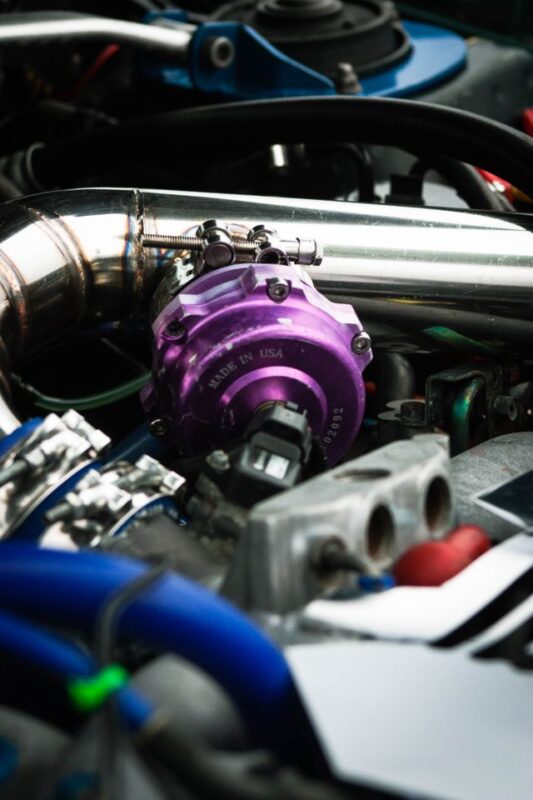
Buying auto parts online should be simple. Find the part, check the price, place the order. In practice, the number of ways that transactions can go wrong, wrong fitment, substandard quality, wrong supplier, delayed delivery, is substantial enough that many buyers either avoid it or end up having to return and reorder more often than they should.
The good news is that the mistakes that cause most of these problems are predictable and avoidable. Here’s how to do this correctly.
Know Your Vehicle Specifications Before You Search
One of the most common reasons for ordering the wrong part is using incomplete or inaccurate vehicle information. Before searching, make sure you have the correct year, make, model, and engine details. For some vehicles, trim level, drivetrain, or transmission type may also be required.
For heavy-duty trucks, part compatibility often depends on more specific information, such as the VIN or engine serial number. Taking a few minutes to verify these details before placing an order can help avoid costly mistakes, delays, and returns.
Use the VIN Lookup Where Available
Good online parts suppliers offer VIN-based parts lookup that removes the manual data entry step and the errors it produces.
Enter the VIN and the system identifies the exact vehicle configuration, including options and specifications that may not be obvious from a standard year/make/model search. For parts that have multiple variants across a model year or production run, VIN lookup is significantly more reliable than manual specification entry.
If a supplier doesn’t offer VIN lookup and you’re ordering anything beyond a simple commodity part, that’s a reason to pause and verify the specification through another source before completing the order.
Understand OEM vs Aftermarket vs Remanufactured
These three categories describe different relationships between the part you’re ordering and the original manufacturer’s specification.
OEM (Original Equipment Manufacturer) parts are made by the same manufacturer that supplied the part for original vehicle assembly. They’re guaranteed to match the original specification exactly.
Aftermarket parts are produced by third-party manufacturers to fit the same application. Quality varies significantly across the aftermarket. Reputable aftermarket brands often produce parts that match or exceed OEM specifications. Less reputable brands produce parts that look correct but fail prematurely or don’t perform to spec.
Remanufactured are original parts that have been reconditioned to manufacturer specifications. For certain components, particularly alternators, starters, and braking components, remanufactured parts from reputable suppliers are a cost-effective and reliable option.
For heavy-duty commercial vehicles where part failure means operational downtime with significant financial consequences, OEM or high-quality aftermarket from a reputable brand is almost always the right choice regardless of the price difference.
Evaluate the Supplier, Not Just the Part
The part number and price on any given listing may look identical across multiple suppliers. What differs is the reliability of the transaction, the quality of what actually arrives, and the support available if something goes wrong.
Indicators of a reliable supplier:
- Clear, specific return policy for parts that don’t fit or arrive damaged
- Real contact information including phone support rather than email-only customer service
- Established business history and verifiable reviews from commercial and fleet buyers
- Warehouse stock rather than dropship-only fulfilment, which affects delivery reliability
- Specific expertise in auto and commercial vehicle parts rather than a general marketplace model
For buyers who need to buy auto and heavy duty truck parts online with confidence in both product quality and supplier reliability, working with a supplier that specifically serves the commercial vehicle and heavy-duty market makes a meaningful difference.
CTR Auto/Industrial Supply operates with the parts knowledge and commercial vehicle focus that fleet and heavy-duty buyers need, rather than the generalist marketplace model that creates the product quality variability that causes problems.
Cross-Reference Part Numbers Before Ordering
If you have the original part in hand or the part number from a previous order, cross-reference it against the supplier’s catalogue before ordering.
Part numbers change when manufacturers update specifications or when a remanufacturing programme replaces an original design. A part number that was correct three years ago may have been superseded. Confirming that the current listing matches your original number, or that a superseding number has been explicitly identified, prevents the frustration of receiving a part that’s technically correct but doesn’t match your application.
For heavy-duty truck components, this cross-referencing step is particularly important because the commercial vehicle parts supply chain has more complexity and more potential for number changes than the passenger vehicle market.
Check Shipping Times Against Your Actual Need
Online parts pricing looks attractive until a three-day part wait turns into an unplanned seven-day downtime event. Confirm shipping timelines and stock status before completing any order where the delivery date matters.
The distinction between in-stock and available-to-order is significant. In-stock means the part ships immediately from existing inventory. Available-to-order may mean the supplier is ordering from their supplier, which adds fulfillment time that isn’t always disclosed at the listing level.
For fleet operations or commercial vehicles where every day of downtime has a direct cost, confirming stock status and realistic delivery time before ordering is as important as confirming the part number.
What to Do When the Part Arrives
Inspect every order before installing anything. Check:
- That the part matches the description and part number you ordered
- That there’s no visible shipping damage to packaging or the part itself
- That all components referenced in the listing are present
- That the part physically matches the original being replaced where comparison is possible
Discovering a problem after installation is significantly more expensive than discovering it before. A two-minute pre-installation check protects against the majority of post-installation issues.
Conclusion
Buying auto and heavy-duty truck parts online correctly is a skill built from a few reliable habits: precise vehicle specifications, VIN lookup when available, understanding of part categories and quality tiers, and supplier evaluation beyond price alone.
Get these right consistently and online procurement becomes the efficient, cost-effective channel it should be rather than a source of wrong parts, delays, and return frustrations.
I also like to remind people that sourcing and branding matter just as much as specs. For example, when working on fleet vehicles or custom projects, I’ve found it useful to compare not just part numbers but also how suppliers present and support their products. Another angle worth considering is the role of visual customization and protection in the automotive space. For instance, beyond mechanical parts, services like https://carwrapping.studio/ show how vehicle wraps can complement upgrades by improving aesthetics and even protecting original paint – something many buyers overlook when planning a full vehicle refresh.
Good breakdown, especially the part about double-checking compatibility before ordering. That’s where most people mess up.
I’d also add: don’t ignore seller feedback and community chatter. Sites like 800notes https://800notes.pissedconsumer.com/review.html can actually be useful for spotting sketchy numbers or sellers people have had bad experiences with.
Overall, solid tips for avoiding expensive mistakes when buying parts online.