
Outdoors
Why Target Practice Matters If You Want Hunting Success
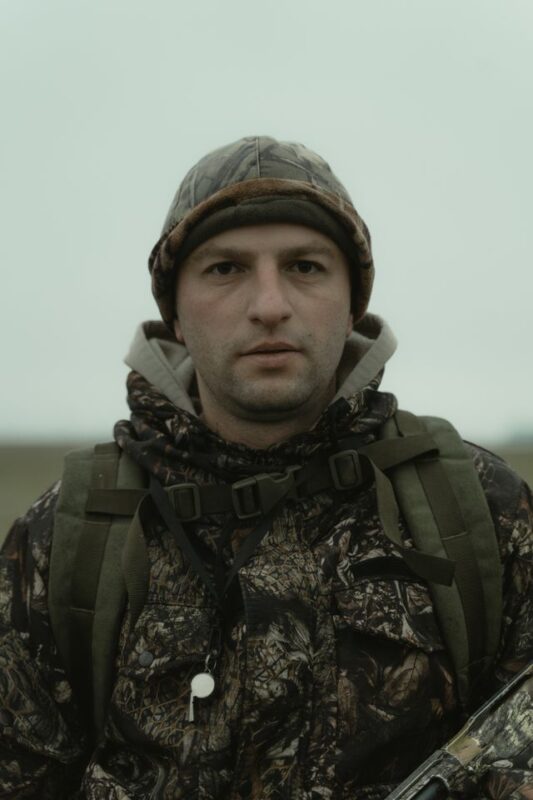
Ask any experience hunter what happens before a successful hunt, and chances are they’ll talk about preparation, not luck.
Long before opening morning, they’re preparing. They’re checking their gear. They’re spending time at the range. They’re building the kind of confidence that only comes from repetition. It might not be the most exciting part, but it’s one of the most important in hunting.
The truth is, there’s more to target practice. It isn’t just about becoming a better shot. It actually helps you make better decisions, understand your equipment, and stay calm when everything is on the line.
Keep reading to learn more.
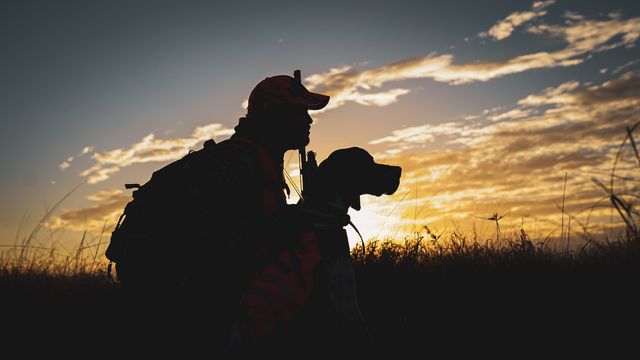
Good Practice Leads to Better Decisions
Most hunters aren’t chasing perfect shots – they’re aiming for ethical ones.
That means knowing when the shoot, when to wait, and when to walk away. Those choices become much easier when you’ve spent plenty of time practicing beforehand.
It’s also worth learning about animal anatomy. Don’t fall victim to tunnel-vision. Don’t just focus on improving your accuracy. Knowing where to hit a deer with an arrow goes hand-in-hand with being able to place your shot confidently. One without the other isn’t enough.
Of course, the woods are very different from the shooting range. Your heart is racing. The animal may not stay still for long. The weather isn’t always on your side. But the more familiar shooting feels, the easier it is to stay calm instead of rushing.
Sometimes, the best shot is the one you decide not to take.
Treat Every First Shot Like It Counts – Because It Does
Here’s something many new hunters don’t think about.
At the range, you might fire dozens of arrows or rounds in one session. By the end, you’re warmed up and feeling comfortable. Out in the field, you usually don’t get that luxury.
The first shot is often the only shot that matters.
That’s why many experienced hunters like to begin a practice session with a single, carefully aimed shot before doing anything else. No warm-up. No second chances. Just one shot, taken with the same focus you’d have during a real hunt.
It’s a simple habit, sure. But it does change the way you practice. Instead of relying on repetition to find your rhythm, you learn to be ready from the very beginning.
Know Your Equipment Like the Back of Your Hand
The best gear in the world won’t help much if you don’t know how it performs.
Every trip to the range teaches you something. Maybe your sight needs a small adjustment. Maybe your bowstring is showing signs of wear. Or maybe you’ve discovered that one type of broadhead flies a little differently than another.
These are the kinds of things you want to learn before hunting season. You do not want to leave it to the moment you’re standing in a tree stand or watching an opportunity disappear.
Spend time with your equipment. The more time you spend with your equipment, the less you’ll have to think about it when the moment arrives. Everything starts to feel familiar eventually. That familiarity frees you up to focus on what’s happening around you – instead of worrying about your setup.
To conclude, there’s no shortcut to becoming a better hunter. It takes time. It takes effort. And it takes practice. You might admire the confidence of experienced hunters, but you need to remember they’ve put the work in to learn and improve.
If you use your practice sessions well, you’ll build that confidence, too.