
Business
Business Growth Tips for Contractors Taking on Bigger Projects
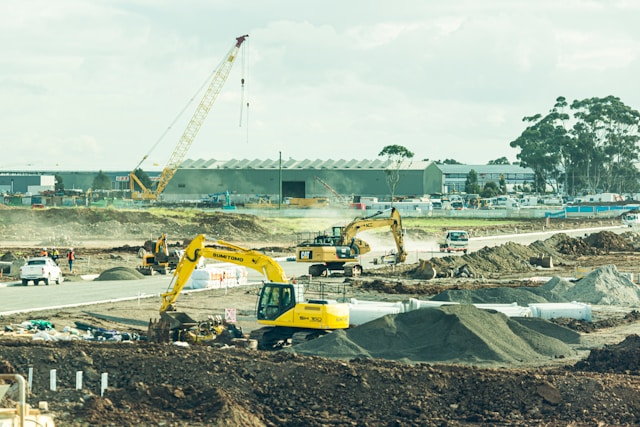
Taking your contracting business to the next level by bidding on bigger projects is an exciting milestone. It can even help you overcome financial struggles. It means you’ve built a solid reputation and are ready for new challenges. But scaling up isn’t just about doing more of the same work. It means you need to change how you handle your money, your daily operations, and your team.
To successfully land and finish larger jobs, you need careful planning. This makes sure your business grows steadily without getting overwhelmed.
Solidify Your Financial Foundation
Before you even think about bidding on a larger project, you need a really good handle on your money. Bigger jobs mean higher upfront costs for materials, labor, and permits. They also often come with longer payment cycles, which can make it hard to keep enough cash flowing. Work with your accountant to create detailed cash flow predictions.
You might need to get a line of credit to cover costs while you wait for payments. It’s really important to price your bids accurately. Account for every possible cost and include a good profit margin. Trying to win a big project by bidding too low can be a huge mistake if it leaves you without enough cash to run your business.
Scale Your Operations Without Overcommitting
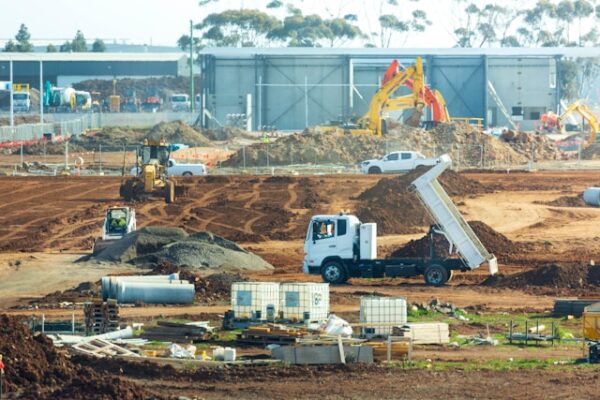
One of the biggest challenges with taking on a larger project is having the right tools and machinery. A project needing heavy-duty equipment you don’t own might seem out of reach. But buying new machinery is a huge expense that ties up cash and adds to your regular costs.
A smarter, more flexible financial approach is to use equipment hire. This way, you get the specific tools you need only when you need them. This strategy lets you handle bigger jobs without the long-term financial burden of owning the equipment. You can get everything from excavators to specialized demolition tools. This makes sure you’re perfectly equipped for the job without emptying your bank account.
Build a Team That Can Handle the Load
You can’t do everything yourself. As projects get bigger, you need a reliable and skilled team. This isn’t just about hiring more people. It’s about building a structure. You might need to hire your first project manager, a dedicated administrative assistant for paperwork, or specialized subcontractors you trust.
When building your team, look for people who are not only skilled but also care about quality and safety as much as you do. Investing in training and creating a good work environment will pay off. You’ll see less staff turnover and higher quality work.
Systematize Your Processes
What worked for managing one or two small jobs won’t work for a large project or several complex jobs at once. Now is the time to write down and standardize your processes. Create templates for bidding, contracts, and project timelines. Set up a clear system for talking with clients and handling change orders.
Standard safety rules and checklists are a must. Having clear systems reduces mistakes, makes things more efficient, and ensures every project meets the same high standard. This consistency builds a reputation that brings in even bigger and better projects later on.
Embrace Technology for Better Management
It’s almost impossible to manage a large project’s complexity with just a notebook and a spreadsheet. Using technology can make your operations smoother and give you a much clearer view of your projects. Project management software can help you track progress, assign tasks, and manage timelines.
Accounting software made for contractors can simplify job costing and invoicing. Using digital tools for blueprints and client approvals can reduce misunderstandings and create a clear record.
Growing your contracting business means taking deliberate steps. By planning your finances better, scaling operations smartly, and building a great team, you can confidently take on bigger projects and achieve long-term success.