
Health and Wellness
Why Emergency Preparedness is Key for Workplace Wellness

When companies talk about workplace wellness, they often focus on things like gym memberships, healthy snacks, or mental health support. These are definitely good to have, but we often miss a really basic part of employee well-being: feeling truly safe. Real workplace wellness starts with knowing there’s a clear, effective plan in place if someone has a medical emergency. Preparing for emergencies isn’t just about following rules; it’s a crucial investment in your team’s health and security.
Beyond Basic First Aid
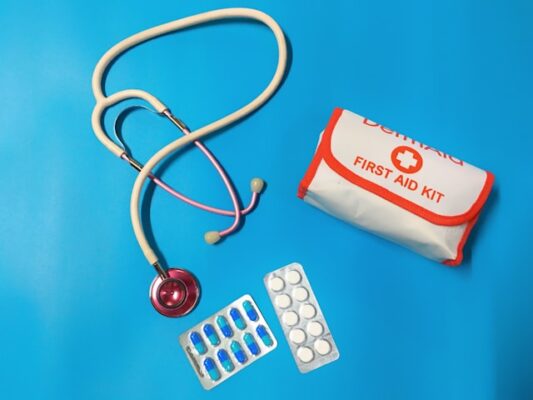
For many years, workplace safety mostly meant having a well-stocked first aid kit in the breakroom. That’s fine for small cuts and scrapes, but it’s not enough for more serious medical problems. Today, emergency preparedness goes way beyond bandages. It means building a full safety culture where employees are ready to handle all sorts of situations, from sudden cardiac arrest to severe allergic reactions.
This involves training that helps employees act confidently instead of panicking. It also means understanding that a medical crisis can really affect people mentally. A prepared workplace has plans not just for the physical event, but also for supporting everyone involved during and after an incident.
The Role of Rapid Response
In a medical emergency, every second counts. The time between when a crisis starts and when professional medical help arrives is the most important window for doing something. A good emergency plan focuses on closing this gap with quick, decisive action. That’s where a coordinated response system really helps. Solutions from providers like Premedics can connect your workplace directly with trained emergency dispatchers. They can give step-by-step instructions until first responders get there. Getting this immediate expert advice can turn a chaotic situation into a controlled response, which greatly improves the chances for the employee who needs help. A fast response plan makes sure that bystanders can become capable first responders, with the knowledge and support to potentially save a life.
Integrating Life-Saving Devices
A key part of an advanced preparedness plan is having life-saving devices like Automated External Defibrillators (AEDs). An AED is a portable device that can check a heart’s rhythm and, if needed, deliver an electrical shock to help get a normal rhythm back during sudden cardiac arrest. Having an AED on-site is a big step, but it only works if people know where it is and how to use it.
Making sure AEDs are truly integrated means:
- Putting AEDs in places that are easy to see and get to.
- Marking their locations clearly with standard signs.
- Training a core group of employees, or even everyone, on how to use the device. Modern AEDs are made for people without medical training and give clear voice instructions, so they’re straightforward to use even under pressure.
Ensuring Device Readiness
Buying an AED or putting together an advanced trauma kit is just the first step, especially when you think about nanoparticles. These devices are useless if they aren’t ready to go when you need them. A common problem with emergency plans is that they don’t include regular maintenance. Batteries die, pads expire, and supplies run out.
A strong readiness program includes scheduled checks and clear responsibilities. This should cover:
- Monthly visual checks to make sure the device is there and the indicator light shows it’s ready.
- Keeping track of expiration dates for batteries and defibrillator pads, and ordering replacements well in advance.
- Making sure first aid and trauma kits are fully restocked after any use.
Automated monitoring systems can make this process simpler, sending alerts when a device needs attention. This helps avoid human error and guarantees your life-saving equipment is always prepared.
Compliance and Employee Confidence
Having a clear emergency action plan isn’t just a good idea; it’s often required by law. Groups like the Occupational Safety and Health Administration (OSHA) offer guidelines for creating a workplace emergency preparedness plan to help businesses meet their legal duty to protect their workers. Following these standards helps you avoid fines and legal problems.
But the benefits go way beyond just compliance. When employees see that their employer has invested in thorough training, modern equipment, and a clear response plan, it sends a strong message: their safety matters. This builds trust and creates a sense of psychological safety at work, where people feel secure and valued. That confidence reduces anxiety and helps create a healthier, more positive, and productive workplace culture.
Ultimately, getting ready for the worst is one of the best ways to support your team’s daily well-being. It shows a commitment that goes beyond just perks and proves you’re dedicated to protecting your most valuable asset, your people.