
Business
5 Smart Tips to Build Your Commercial Premises (& Why You Should)
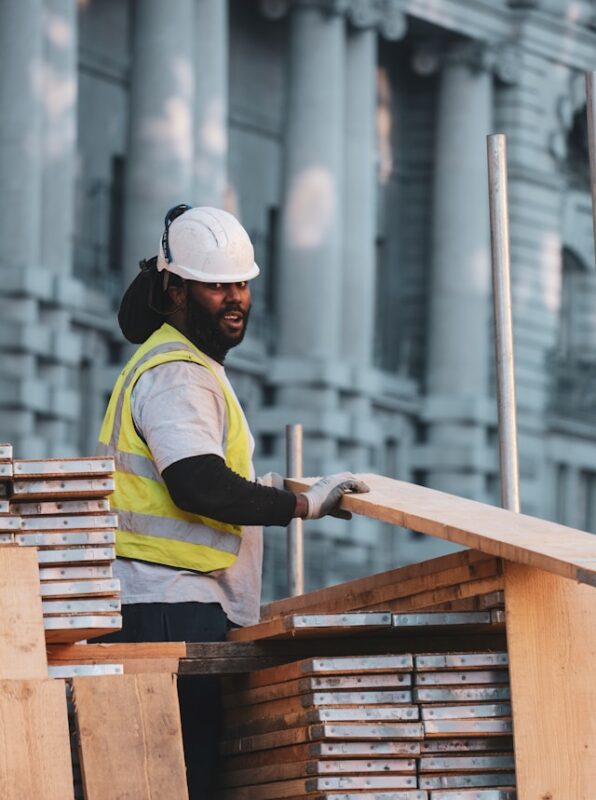
Every business needs a premises to base itself out of, and they’ll have the option of buying, building, or leasing this. Starting off, leasing can often be the best option for budget-minded small businesses. But, there could come a point where you’ll get to buy or build your commercial premises.
While buying offers more than a few benefits, building can often be one of the better options for more than a few reasons. And you could already be on the verge of taking the plunge on it. Before you do, however, it’s worth making sure you know what you’re doing.
More than a few commercial building tips could be worth focusing on so you can make sure everything goes smoothly, while also making sure your premises is as high-quality as possible.

Why Build Your Commercial Premises?
But first, it’s worth looking at why you should build your commercial premises in the first place. You could always buy one instead, and this doesn’t come with the need to spend months designing and building it.
That doesn’t mean this doesn’t come without its benefits. For one, you could need to renovate any building you buy, so you might still need to put some work into it. If you build your own premises, however, you’ll see more than a few benefits, like:
- Offering Greater Control – Probably the most obvious reason to build your premises is you’ll have complete control over the overall design. You wouldn’t need to settle for what’s already there or need to make extensive renovations from the start. This lets you create a fully custom design that actually meets operational needs.
- Giving You Ability to Expand – The ability to control on the overall design means you can allow space for expansion when you need it. While you mightn’t invest in this straight away, you can design a premises that makes expanding outward or upward less of a hassle when you need it later on.
- Being More Cost-Effective – Countless people believe that buying a commercial premises is more cost-effective than building one. But that isn’t always the case. When you’re building, you’ll have control over everything that affects the costs, which could make it a more cost-effective path forward.
These could be more than enough to persuade you to build your commercial premises. But, you’ll still need to make sure you actually know what you’re doing.
Thankfully, this doesn’t need to be nearly as hard or as stressful as you’d think. Focusing on the right tips could make it noticeably more straightforward. And some of these will have more of an impact than others, which is why they could be more than worth using.
Five of these could be vital because of the impact they’ll have.
Build Your Commercial Premises: 5 Smart Tips to Use
1. Use the Right Providers
You’ll already know you’ll need to hire contractors and purchase materials for suppliers to carry out the construction. Don’t just go for anyone and everyone, though. Whether you’re looking for an aramid filter bag and system, specialist contractors, or anything else, it’s worth making sure they’re the best provider for your needs.
Take the time to research your options ahead of time to make sure they’re the right fit for your needs. While this can often mean paying a little more for high-quality options, reviews and testimonials help make sure your money’s being well-spent.
This is especially true when your facility requires specialized security installations. For instance, a correctional facility or a psychiatric ward has very different structural demands than a standard office space. You must source heavy-duty fixtures, such as a secure detention door, from manufacturers who understand industry regulations. Standard commercial suppliers usually do not have the materials needed to meet these strict safety codes. Working with specialized vendors ensures that every frame and panel meets your exact security requirements.
2. Consider a Modular Building
Building a commercial premises can cost a significant amount of money, often in the millions of dollars range. It’s natural to want to keep this as low as possible without compromising the quality of the work being done. You wouldn’t want to deal with major issues later on just because you cut a few corners now.
But, you can always consider modular buildings. This cuts down on the amount of labor needed for your commercial premises, having a noticeable impact on your costs. And, it’s flexible enough to still give you the design quality you need.
3. Define Your Goals & Needs
Before you start designing and building your commercial premises, take the time to define your goals and operational needs. These will be deeply intertwined, and they’ll have a significant impact on your overall design. Your operational workflows will be one of the more important areas to focus on with this.
Take the time to define your operational needs early and what you want to achieve with them. This lets the designers and contractors make sure your commercial premises can meet them as seamlessly as possible, helping you operate effectively later on.
4. Keep Sustainability in Mind
One of the more overlooked parts of building commercial premises is sustainability. This is a lot more than just a buzzword. It has a direct impact on your utility usage, so putting the time and effort into having a more sustainable premises now could save your business a noticeable amount of money as time goes on.
And, there are plenty of ways to invest in this without needing to shell out too much on it. Solar panels, sustainable building materials, and even rainwater harvesting systems can all be more than worth considering.
5. Don’t Overlook Multi-Use Spaces
When you’re designing your new commercial premises, it’s natural to focus on areas that have specific uses. You could need a space for manufacturing, another for assembling, a third specifically for office spaces, and a lot more. Don’t just focus on single-use spaces with your design, though.
Multi-use spaces can often be recommended for more than a few reasons. While this depends on your industry and operations, the likes of collaboration hubs and flexible workspaces can be recommended options to help employees work more productively.
Summing it Up
You’ll have every reason to build your commercial premises when you can actually finance it. But, that doesn’t mean you should just jump straight into it. You’re a lot better off keeping a few commercial building tips in mind to make sure it goes as smoothly as possible. It’ll also make sure your premises is as high-quality as you need it to be.