
Health and Wellness
Modern Wellness Essentials: Incorporating Natural Plant Compounds into Your Routine
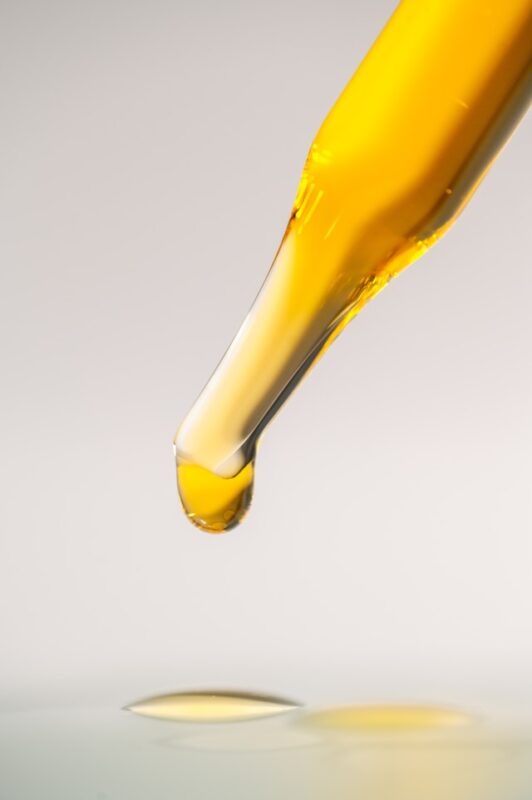
Lately, “wellness” has grown way beyond just eating right and hitting the gym. We’re now talking about clear thinking, emotional balance, and finding easy ways to feel our best, even when life gets hectic. A big part of this shift means looking back to nature and remembering how good plant-based stuff can be for us. From calming teas to strong extracts, adding these natural elements to your daily routine can be a simple yet powerful way to boost how you feel overall.
This isn’t about jumping on trends or changing everything overnight. It’s about making small, thoughtful choices that really add up. Let’s see how you can easily bring natural plant compounds into your everyday wellness routine.

What Does “Natural Wellness” Really Mean Today?
We hear “natural wellness” a lot, but what does it really mean? Basically, it’s about using ingredients and practices that more closely reflect how they grow naturally. It’s a move away from super-processed foods and towards feeling more in tune with what makes us feel good. This could be as simple as choosing whole foods or as specific as adding plant extracts to your daily habits.
Modern natural wellness doesn’t ignore science. Instead, it mixes old wisdom with what we know today. It understands that feeling well is a very personal thing. A guide to modern natural wellness shows how personal this approach is, pointing out that what works for one person might not work for another. The main idea is to find a balance that supports your unique body and lifestyle, letting nature be your powerful helper.
This way of thinking encourages you to pay more attention to what’s in your products, the food you eat, and the little daily habits that help you recharge. It’s about feeling in control and making smart choices that help your health and happiness for the long run.
Exploring the Power of Plant-Based Compounds
Plants have been helping us feel well for thousands of years. They contain complex compounds that can support different parts of our bodies. Today, science lets us isolate and concentrate these compounds, making them easier to obtain than ever. You’ll often see words like “extract,” “isolate,” or “full spectrum” on product labels, and it helps to know what they mean.
An “isolate” is a single, pure compound that’s been separated from everything else in the plant. On the other hand, a “broad spectrum” extract contains a bunch of compounds but has had one or two specific ones removed. A full-spectrum oil aims to retain as many natural compounds from the original plant as possible. Many people prefer this type of product because they believe the compounds work better together, which is often called the “entourage effect.”
When you’re looking at these options, doing a little research is super helpful. Start by learning about the specific plants and what compounds they contain. Knowing where something comes from and how it was made can help you pick products that fit your wellness goals.
Building a Plant-Powered Routine That Works for You
The secret to making any new wellness habit stick is doing it regularly. It’s much better to start with just one or two small changes than to try everything at once and get tired out. Making a wellness routine that lasts means building habits that feel good and are easy to keep up.
Here are a few tips to get you going:
- Start Small: Pick one area you want to focus on. Is it sleeping better, having more energy, or handling stress? Choose a plant-based product or practice that fits that goal. For example, you could try a calming chamomile tea before bed.
- Listen to Your Body: Pay close attention to how you feel. Wellness isn’t a one-size-fits-all thing. Keep a simple journal to note any changes in your mood, energy, or sleep. This will help you figure out what’s really working for you.
- Be Patient: Natural compounds often work gently and over time. Unlike a quick fix, the benefits might show up gradually. Give any new routine at least a few weeks before deciding if it’s right for you.
- Choose Quality: Not all products are created equal. Look for trusted brands that are transparent about where they source their ingredients, what’s in it, and how they make it. If a product has been tested by a third party, that’s a good sign it’s high quality.
Key Botanical Ingredients to Look For
As you look around stores or shop online, you’ll find tons of different plant ingredients. It can feel overwhelming, so it’s helpful to know a few popular options. Many of these are essential natural wellness products that are easy to find and use.
- Lavender: Famous for its calming smell, lavender is a favorite in aromatherapy and products for better sleep. People often use it in essential oil diffusers, bath salts, and pillow sprays to help them relax.
- Chamomile: This gentle flower is best known as a tea to help you unwind at the end of the day. Its mild, soothing qualities make it a great starting point for anyone new to herbal remedies.
- Peppermint: With its fresh, energizing scent, peppermint is often used to help you focus and feel more awake. A drop of peppermint oil on your temples can be soothing, and peppermint tea is a popular choice for digestion after meals.
- Echinacea: You’ll often find echinacea in teas and tinctures. It’s a popular plant for supporting your immune system, especially when the seasons change.
These are just a few ideas, but there’s a whole world of plant ingredients out there. Exploring different herbs and flowers can be a really rewarding part of your wellness journey.
Integrating Botanicals into Your Daily Self-Care
Beyond tinctures and teas, there are countless fun ways to bring the goodness of plants into your daily life. Thinking about how botanical ingredients fit into modern self-care can create new routines that feel both fancy and grounding.
Try adding an essential oil diffuser to your home office or bedroom. A few drops of eucalyptus or lemon oil can help create an energetic and focused vibe, while lavender or sandalwood can signal to your body that it’s time to rest. You can also add botanicals to your bath with herbal soaks, or look for skincare products that have plant extracts like rose, calendula, or green tea.
Even cooking can be a way to enjoy botanical wellness. Using fresh herbs like rosemary, thyme, and basil doesn’t just make your food taste amazing; it also gives you a variety of plant compounds. Making a simple herbal tea from fresh ginger and lemon is another easy and effective way to get plant benefits. The goal is to find simple, enjoyable rituals that you look forward to every day.
Ultimately, turning to natural plant compounds is about getting back to a simpler, more intuitive way of taking care of yourself. It’s a chance to slow down, listen to your body, and choose things that truly nourish you from the inside out.