
House and Home
The Complete Beginner’s Guide to Identifying and Preventing Ant Infestations at Home
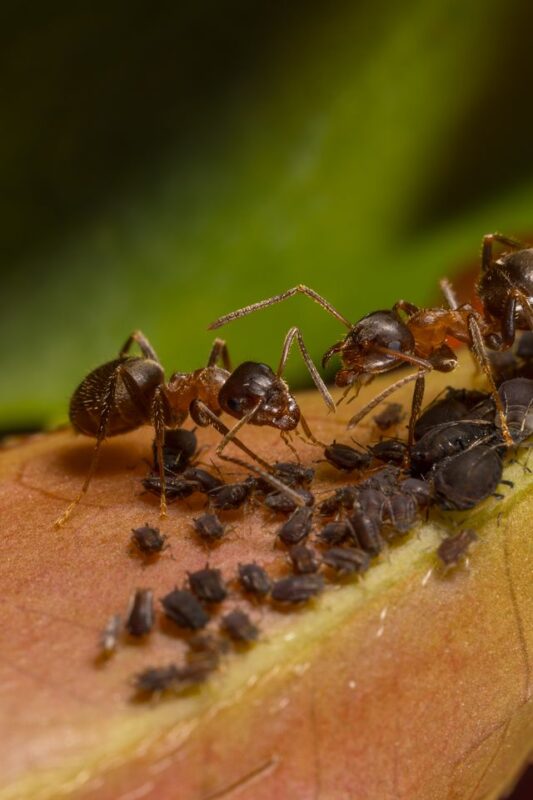
If you spend any time reading about entrepreneurship or personal wellness, you already know that success at home and success in business share the same foundation: protecting your investments before small problems become expensive ones. A house is often the biggest asset in anyone’s portfolio, and the readers of this site who are busy building careers, growing side hustles, or simply trying to keep a household running smoothly do not have time to deal with a full-blown pest infestation that could have been stopped early. Ants may seem like a minor nuisance compared to your quarterly goals, but left unchecked, they can chip away at your time, your budget, and even the structural integrity of your property.
This guide is written for the total beginner, someone who has never had to think about pest biology before but who wants to understand what is happening in their kitchen or bathroom before it spirals. Learning the basics of ant control now can save you from a much bigger headache later, and it does not require any specialized knowledge to get started. We will walk through what an infestation actually is, how to tell one ant species from another, the warning signs to watch for, and the simple prevention steps that make the biggest difference.
What Is an Ant Infestation and Why It Matters
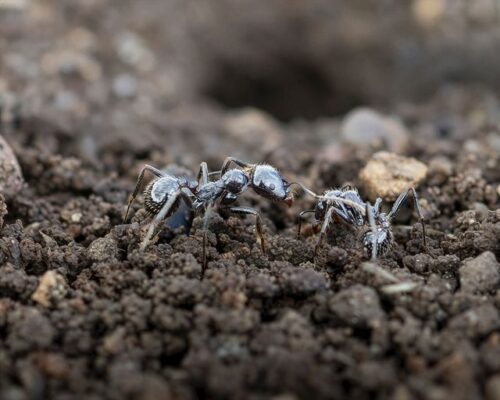
Seeing a single ant wander across your countertop is not the same thing as having an infestation. An infestation means a colony, which is an organized group of ants with a queen, workers, and often thousands of members, has established a nest either inside your home or close enough to it that workers are regularly coming inside to forage. The difference matters because a lone ant is easy to ignore, but a colony represents a self-sustaining problem that will keep growing until something interrupts it. Once a colony decides your home is a reliable source of food or water, the ants will keep sending scouts back and forth, and their numbers will increase over time rather than fading away on their own.
Early detection matters because certain species, particularly carpenter ants, can cause genuine structural damage by tunneling through wood to build their nests. Even species that do not damage wood can contaminate food, trigger allergic reactions in sensitive individuals, and create a general sense that your home is not fully under your control. Catching the problem in its early stages, before the colony has fully settled in, is almost always faster and cheaper than dealing with a mature infestation months later.
How to Identify Common Household Ant Species
Most people assume all ants look alike, but there are meaningful differences that help you figure out what you are dealing with. According to the National Pest Management Association, only about 25 species out of the more than 700 found across the United States are the ones that commonly invade homes, which narrows down what you actually need to learn. Carpenter ants are large, often black or reddish-black, and are the ones most associated with wood damage since they excavate galleries inside damp or decaying wood to build nests. Odorous house ants are smaller and dark brown, and they release a distinct rotten-coconut smell when crushed, which is an easy way to confirm identification without needing a magnifying glass.
Pavement ants are small and brownish-black, and true to their name, they typically nest under sidewalks, driveways, or foundation slabs before finding their way indoors through tiny cracks. Pharaoh ants are extremely small and pale yellow, almost translucent, and they tend to nest in hard-to-reach warm areas like wall voids or near heating systems. Recent industry data from a 2024 Dodson Pest Control survey found that odorous house ants were responsible for roughly 64 percent of treated infestations, making them by far the most likely culprit if you are dealing with a new ant problem in your home.
Six Warning Signs Your Home Has an Ant Infestation
The most obvious sign is a visible trail, a line of ants moving in a fairly straight path between a food source and their nest, since ants leave invisible scent trails that other workers follow. Discarded wings scattered near windowsills or baseboards are another clue, since this usually means a colony has matured enough to produce reproductive ants that swarm to start new colonies. Small piles of what looks like sawdust, technically called frass, near wooden structures often indicate carpenter ants are actively excavating a nest nearby. You might also notice ants clustering around specific food items, particularly anything sugary or greasy, since these are preferred resources for foraging workers.
Unusual activity in damp areas such as under sinks, around water heaters, or near leaky pipes can signal a colony seeking moisture, which many species need to survive. Finally, actually locating a visible nest, whether it is a small mound outdoors near your foundation or a soft, crumbly area in a wall, confirms that a colony has fully settled in rather than just passing through. Recognizing even one or two of these signs early gives you a much better chance of resolving the issue before it becomes an ongoing battle.
Prevention and Early Action Steps
Sealing entry points is one of the most effective and beginner-friendly steps you can take, since ants can squeeze through gaps as small as a sixteenth of an inch around windows, doors, and utility lines. Eliminating food and water sources by wiping down counters, storing food in sealed containers, and fixing any dripping faucets removes the incentives that draw ants inside in the first place. Cleaning up visible ant trails with soap and water disrupts the scent pathways they rely on, which can slow down or confuse foraging workers even before you address the nest itself. Timing matters too, since according to Ants Preparing for Another Busy Year, colonies tend to become active earlier in spring, and populations that were already high the previous year often carry over, especially after a mild winter with several early warm spells.
Knowing when to call a professional is part of being a responsible homeowner rather than a sign of failure. If you have tried sealing and cleaning but still see consistent activity after a week or two, or if you suspect carpenter ants given the risk to your home’s structure, it is time to bring in an expert. The table below summarizes some of the key figures worth knowing as you weigh your options.
| Statistic | Figure |
| Infestations caused by odorous house ants (2024) | 64% |
| Common invasive ant species in the U.S. | About 25 of 700+ |
| Average pest control cost, 3,000 sq ft home (2026) | $400 to $950 |
| Homeowners concerned about ants and wasps | Over 80% across generations |
| 2025-2026 ant population trend | Elevated carryover due to mild winter |
Understanding these basics puts you well ahead of most beginners who only start researching ants after the problem has already gotten out of hand. With a little vigilance around your home’s entry points, food storage habits, and seasonal timing, you can catch most infestations before they require intervention. And when they do require intervention, you will at least know what questions to ask and what to expect from the process.