
Career
Veterinary Careers: How to Choose the Right Path for Working With Animals
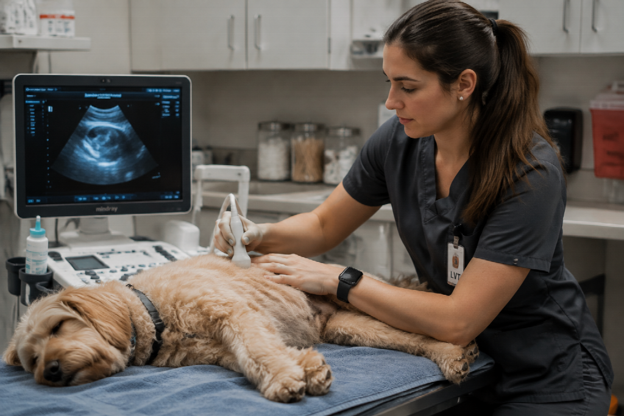
For many people, working with animals is more than just a job — it is a passion. Helping pets, supporting animal health, and being part of a veterinary care team can create a meaningful and rewarding career.
However, many students interested in animal healthcare do not realize that there are several different career paths available.
Some people imagine becoming a veterinarian as the only option, but veterinary clinics depend on many professionals who support daily operations and patient care.
Two of the most common career choices for people interested in veterinary medicine are veterinary assistants and veterinary technicians.
Although these roles may seem similar at first, they involve different responsibilities, education requirements, and opportunities for professional growth.
Understanding these differences before choosing a training program can help students select a career path that matches their goals, interests, and lifestyle.

Why Animal Healthcare Careers Are Becoming More Popular
Pet ownership continues to grow, and many families consider animals an important part of their lives. As a result, veterinary clinics, animal hospitals, and specialty care facilities need trained professionals who can provide high-quality animal care.
A career in veterinary healthcare can offer opportunities to:
- Work directly with animals
- Develop practical medical skills
- Support veterinarians and pet owners
- Build experience in a growing healthcare field
- Continue advancing through additional training
For students who enjoy science, problem-solving, and helping animals, veterinary careers can provide a unique combination of purpose and professional development.
What Does a Veterinary Assistant Do?
A veterinary assistant is an important member of the veterinary team who helps support veterinarians and veterinary technicians with daily clinic responsibilities.
Their role often focuses on animal care, patient support, and keeping the clinic environment organized.
Common responsibilities may include:
- Preparing examination rooms
- Helping restrain animals safely
- Feeding and caring for animals
- Cleaning and preparing equipment
- Assisting during basic procedures
- Communicating with pet owners
- Managing records and administrative tasks
Veterinary assistants often spend a lot of time interacting with animals and helping create a comfortable environment for patients.
For many students, this role can be an excellent starting point for entering the veterinary field because it allows them to gain real-world experience quickly.
What Does a Veterinary Technician Do?
A veterinary technician has a more advanced clinical role and typically receives specialized education and training in veterinary medicine.
Vet techs work closely with veterinarians and may assist with more technical medical procedures.
Their responsibilities can include:
- Performing laboratory tests
- Taking X-rays
- Assisting during surgeries
- Monitoring anesthesia
- Collecting patient information
- Supporting treatment procedures
- Educating pet owners about care instructions
Because veterinary technicians handle more advanced clinical tasks, their training usually involves more extensive medical coursework and preparation.
Veterinary Assistant vs Vet Tech: What Is the Main Difference?
The biggest difference between these two careers comes down to level of responsibility, education, and clinical involvement.
Students comparing these paths should consider several factors:
Education Requirements
Veterinary Assistant:
- Often requires shorter training programs
- Focuses on foundational animal care skills
- Allows students to enter the field sooner
Veterinary Technician:
- Requires more advanced education
- Includes deeper medical and clinical training
- Often requires certification or credentialing depending on location
Daily Responsibilities
A veterinary assistant usually focuses more on:
- Animal handling
- Patient comfort
- Clinic support
- Basic care tasks
A veterinary technician typically performs more:
- Diagnostic procedures
- Medical treatments
- Surgical assistance
- Laboratory responsibilities
Career Growth Opportunities
Both careers can provide meaningful work, but the long-term paths may look different.
Veterinary assistants often use their experience as a foundation to continue learning and advance into other animal healthcare roles.
Veterinary technicians may pursue additional certifications, specialties, or advanced responsibilities within veterinary medicine.
Students who want a detailed breakdown of responsibilities, training, and career differences can explore this guide on veterinary assistant vs vet tech.
Which Career Is Better for Someone Who Loves Animals?
There is no single answer because the best choice depends on what type of work someone enjoys.
A veterinary assistant career may be a better fit for someone who:
- Wants to start working with animals sooner
- Enjoys hands-on animal care
- Prefers a shorter education pathway
- Wants experience inside a veterinary clinic
A veterinary technician career may be a better fit for someone who:
- Enjoys medical procedures
- Wants greater clinical responsibility
- Is interested in diagnostics and surgery
- Plans to build a long-term veterinary healthcare career
The important question is not “Which career is better?”
The better question is:
“Which career matches the type of work I want to do every day?”
Skills That Help People Succeed in Veterinary Careers
Working with animals requires more than simply loving pets.
Successful veterinary professionals need a combination of technical and personal skills.
Important skills include:
Compassion and Patience
Animals cannot explain how they feel, so veterinary professionals must understand behavior and respond calmly.
Attention to Detail
Medical care requires accuracy. Small details can make a major difference in patient outcomes.
Communication Skills
Veterinary professionals work with both animals and people. Clear communication with pet owners and team members is essential.
Ability to Work as Part of a Team
Veterinary clinics depend on collaboration between veterinarians, technicians, assistants, and administrative staff.
How to Choose the Right Veterinary Training Program
Before enrolling in a veterinary program, students should evaluate several important factors:
- Does the program provide hands-on learning?
- Are students trained on real-world veterinary tasks?
- Does the curriculum match current industry needs?
- Are there opportunities for practical experience?
- Does the program support career preparation?
A strong training program should prepare students not only with knowledge but also with the confidence needed to work in professional animal care environments.
Building a Future in Animal Healthcare
Veterinary careers offer something that many people look for in their work: the opportunity to make a direct difference.
Whether someone chooses to become a veterinary assistant or veterinary technician, both roles contribute to better animal care and support the professionals responsible for treating patients.
The right career path depends on personal goals, preferred responsibilities, and the amount of time someone wants to invest in education.
For anyone passionate about animals, exploring different veterinary career options is the first step toward finding a profession that is both meaningful and sustainable.