
Health and Wellness
How to Spot Storm Roof Damage Before It Turns Into a Bigger Problem
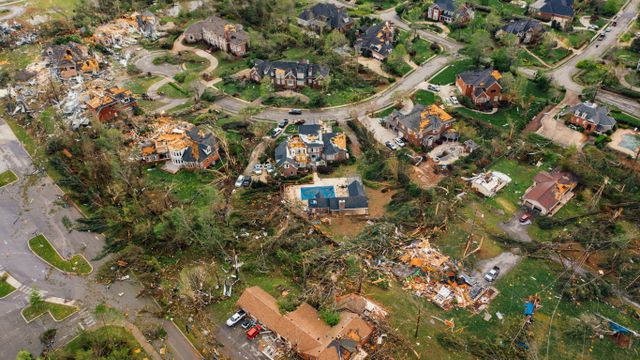
Your roof usually stays out of sight and out of mind until a storm rolls through and starts testing every weak spot. Wind, hail, and heavy rain can leave damage that looks minor at first but grows expensive fast. If you want to protect your home, it helps to know what to check, what warning signs matter, and when it makes sense to call in a professional instead of climbing a ladder and hoping for the best.
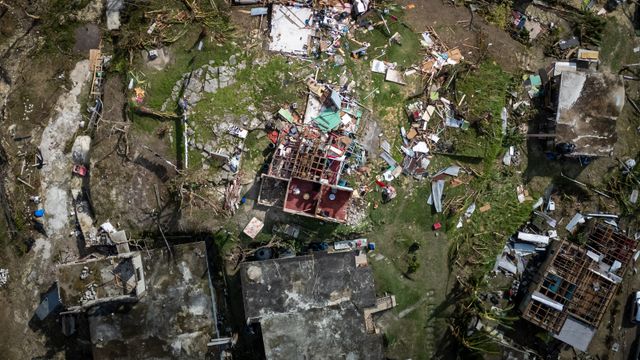
When It Makes Sense to Call a Roofing Professional
Some signs are obvious enough that you should skip the guesswork. If you see missing shingles, interior leaks, sagging spots, or impact marks after hail, it is smart to get expert eyes on the roof. Professional roofers know how to spot damage that homeowners often miss, especially around flashing, vents, and roof penetrations.
If you are dealing with hail or wind damage in southeastern Pennsylvania, getting help with roof storm damage repair can make the process much more straightforward. A qualified roofing contractor can assess the damage, document it clearly, and recommend repairs based on the actual condition of the roof.
That matters for more than peace of mind. It also helps if you need to file an insurance claim and back it up with detailed findings.
What Storms Actually Do to Your Roof
Storm damage rarely shows up in one neat, dramatic way. A strong wind can lift shingles just enough to break their seal. Hail can knock granules loose, leaving shingles exposed and aging faster. Heavy rain then sneaks into those vulnerable areas like an uninvited guest who definitely plans to stay.
Different roofing materials react differently, but the pattern is similar. Small impacts create openings, and openings create moisture problems. You might not notice anything from the ground right away.
Keep an eye out for these common issues:
– Missing or curled shingles
– Dented flashing or gutters
– Loose ridge caps
– Granules collecting in downspouts
– Water stains on ceilings or attic wood
Storm damage often starts as a surface problem and then works its way deeper.
What to Document After a Storm
Good documentation can save you money and stress. If your roof suffers storm damage, start gathering evidence before temporary fixes or cleanup make the signs harder to prove. Use your phone and take clear photos from the ground of every visible issue.
Take pictures of:
– Missing shingles or exposed areas
– Dents on gutters, flashing, or vents
– Debris that landed on the roof
– Water stains inside the house
– Damage to siding, fences, or outdoor equipment
Write down the date of the storm and what you observed. If neighbors had similar damage, note that too. Insurers often look at the broader weather event as part of the review.
Keep receipts for emergency tarping or leak control. Temporary measures count, and they show you acted responsibly to prevent further damage.
How Insurance Claims Usually Play Out
Insurance can help, but the process is not always smooth. Policies vary, deductibles can be surprisingly high, and adjusters are looking for evidence that the damage came from a covered event rather than age or neglect.
That means details matter. If your roof was already near the end of its lifespan, the insurer may question what the storm truly caused. A professional inspection report can give you stronger footing.
You should also read your policy before the next storm hits, not during the chaos afterward. Know whether you have replacement cost coverage or actual cash value coverage. One pays for a more complete replacement amount, while the other factors in depreciation.
If an adjuster visits, be present if possible. Ask questions, take notes, and compare their findings with your roofing contractor’s inspection so you are not navigating the process blind.
Prevention Steps That Make a Real Difference
You cannot stop storms, but you can make your roof less vulnerable. Regular maintenance gives you a better shot at avoiding severe damage and catching weak points early. Think of it as less glamorous than a kitchen remodel but often more useful.
Start with the basics. Keep gutters clear so water can drain properly. Trim overhanging branches that could scrape shingles or fall during high winds. Replace loose or aging shingles before storm season turns them into projectiles.
It also helps to schedule periodic roof inspections, especially if your area gets frequent hail, strong wind, or freeze-thaw cycles. A roofer can check flashing, sealants, ventilation, and structural wear before bad weather adds pressure.
A roof in good shape handles storms better. A neglected roof tends to negotiate badly.
Knowing When Repair Is Enough and When Replacement Is Smarter
Not every damaged roof needs to be replaced. In many cases, targeted repairs are enough, especially when the damage is limited and the roof is still relatively young. The trick is figuring out whether the visible problem reflects a larger issue underneath.
Repairs usually make sense when damage is isolated to one section, the decking remains solid, and matching materials are available. Replacement becomes more practical when damage is widespread, leaks are recurring, or the roof is already near the end of its service life.
Ask direct questions during an inspection. How much of the roof is affected? Is moisture trapped below the surface? Will the repair blend well and hold up long term?
A solid answer should sound specific, not vague or salesy. You want a plan based on condition, not guesswork.
Stay Ahead of Storm Damage Before It Spreads
Storm roof damage has a talent for looking smaller than it really is. A few missing granules or a lifted shingle may seem harmless, but those minor issues can open the door to leaks, mold, and expensive structural repairs. Paying attention right after a storm gives you an advantage.
Walk the property, document what you see, and act quickly if anything looks off. Bring in a professional when the signs point beyond basic wear. You do not need to panic after every thunderstorm, but you do need a smart routine.
Your roof protects everything underneath it. Giving it a little attention after rough weather is one of the simplest ways to protect your home, your budget, and your future weekend plans.