
Business
How to Improve Logistics Efficiency and Reduce Business Costs
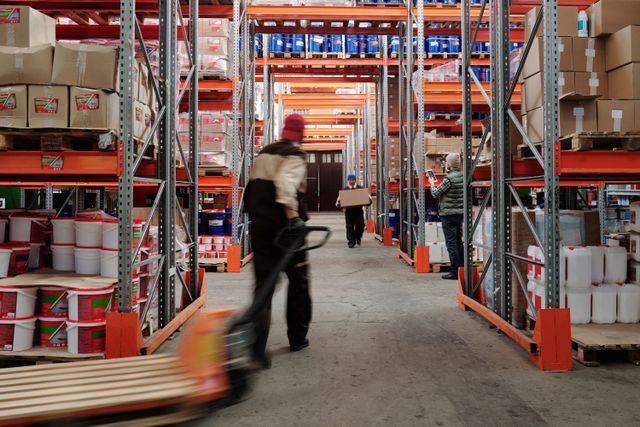
Efficient logistics gives a business greater control over costs, delivery times and daily workloads. Small delays can spread quickly across purchasing, storage and fulfilment, leaving staff to solve preventable problems. A well-organised logistics system makes those issues easier to identify and correct. It also helps you use equipment, space and labour more productively, creating a reliable operation that can adapt when demand changes.
The Real Cost of Inefficient Processes
Logistics problems often cost more than the figure shown on an invoice. A delayed delivery may leave a crew waiting, force a schedule change and trigger extra storage or transport fees. Poor stock records can create similar issues. If the system shows 40 units but only 25 are available, staff may promise an order the business can’t fulfil on time.
Map one typical order from purchase through to final delivery. Record every handover, approval and waiting period. This exercise can reveal repeated data entry, unclear responsibilities and unnecessary movement. Include indirect costs such as overtime, damaged goods and time spent chasing updates. These details create a realistic baseline for future improvements.
Streamlining Your Supply Chain
Start with accurate information. Use consistent product codes, agreed delivery windows and a central record of supplier orders. Practical supply chain optimisation also requires regular communication with suppliers and transport partners, especially when lead times change.
Review your suppliers according to on-time delivery, order accuracy and response time. A cheaper supplier may cost the business more if incomplete deliveries regularly interrupt production. Guidance on supply chain efficiency also highlights the value of reducing bottlenecks and improving coordination.
Set reorder points using actual sales or usage data. For example, an item used at 20 units per week with a two-week lead time needs enough stock to cover that period plus a sensible buffer.
Innovative Tools for Material Flow
Material flow covers how stock, components and finished goods move through a workplace. The best tools shorten travel distances, reduce repeated handling and keep busy areas clear. Making the right equipment choices can also reduce unnecessary movement and help workers complete material-handling tasks more efficiently. Barcode scanners and digital inventory systems can show where an item is located, while route-planning software can group deliveries into practical runs.
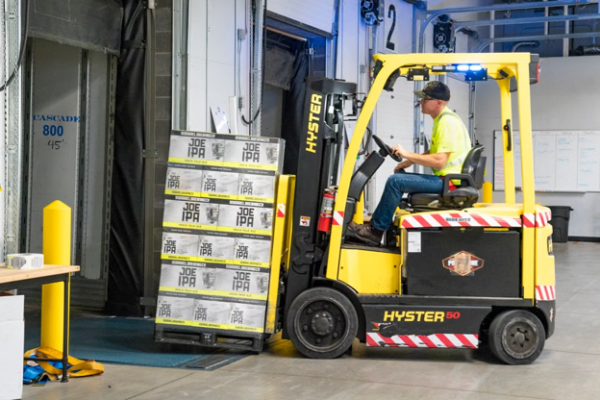
Physical equipment matters too. The best tools shorten travel distances, reduce repeated handling and keep busy areas clear. Barcode scanners and digital inventory systems can show where an item is located, while route-planning software can group deliveries into practical runs.
On multi-storey construction sites, loading platform hire can provide a temporary way to move materials directly onto the floor where they are needed, helping reduce unnecessary carrying and delays between delivery and installation. Hire options can be useful when access requirements or project schedules change, particularly on refurbishment and fit-out projects where a permanent material-handling system may not be practical.
Measuring Success: KPIs for Logistics
Choose a small set of key performance indicators that connect logistics activity to customer service and cost. Too many measures create reporting work without showing what needs attention. Useful KPIs include order cycle time, on-time delivery rate, inventory accuracy, damage rate and cost per shipment.
Define each measure clearly. If an order counts as on time when it arrives within a two-hour window, apply that rule consistently. Compare weekly figures over several months and add brief notes about unusual events, such as a supplier closure or a major one-off project.
Look at related measures together. A faster order cycle has limited value if picking errors rise at the same time. When a KPI moves in the wrong direction, assign one person to investigate the cause, test a correction and report the result at the next review.
Efficient logistics becomes visible in ordinary moments: staff can find materials quickly, deliveries arrive within their agreed windows, and managers spend less time resolving avoidable delays. Keep the measures tied to those practical outcomes, and your logistics system will remain useful as the business grows.
Efficient systems are vital for managing material flow, much like how spatial strategy dictates success in a puzzle. I recently started playing スイカ合体パズル, and its mechanics remind me of inventory management. Both require precise placement and planning to prevent bottlenecks from ending your progress prematurely. It is a great mental exercise.