
Health and Wellness
7 Low-Stakes Conversation Starters That Make a Dental Appointment Less Awkward
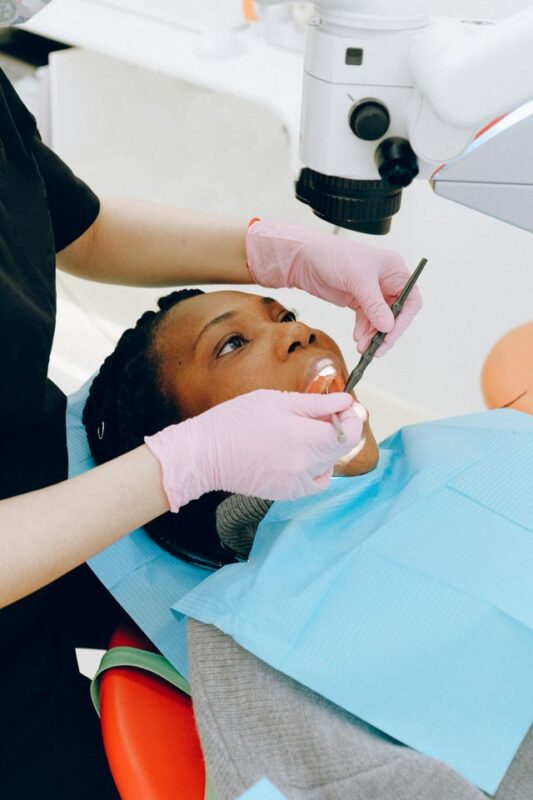
Most people treat a dental appointment like a pop quiz. They sit rigid in the chair and answer in two-word bursts while the ceiling tiles get a long, unblinking stare. That approach gets you through the visit, but it also makes the chair feel like a time machine stuck on slow. A better strategy is to treat the appointment as a casual social interaction, one where you control the topic. You don’t have to discuss gum recession or the cost of a crown. You can keep the conversation on harmless, everyday ground and let the appointment move along.
Small talk has a bad reputation, but it works when you use prompts that invite a short story instead of a yes or no answer, a point expanded in this guide to making conversation with anyone. In a dental chair, you want prompts that are easy to answer, require no personal disclosure, invite a short story, and can be dropped the second the dentist picks up a mirror. The goal is not to become best friends with the staff. The goal is to keep your brain busy while someone else does the delicate work near your molars.

1. Ask the hygienist for one weird chairside story
This one works because hygienists collect stories the way bartenders collect bad date anecdotes. They don’t need names or medical details, just the odd things people say when they’re nervous or bored. You can phrase it as, “What’s the oddest thing someone has asked you while you were cleaning their teeth?” The question is specific enough to get a real answer and broad enough that no one has to violate privacy. It also shifts the balance a little. You’re inviting the professional to vent or laugh, which makes the appointment feel less like a service transaction and more like two people passing time.
Keep the question about the job, not the person. Most hygienists have a harmless story about a patient who asked if they could keep the tooth or tried to negotiate flossing. Let them drive the story and laugh when it gets ridiculous. You don’t need to add your own dental horror story to keep the exchange going. In fact, the less you contribute, the faster the appointment seems to go, because the hygienist is doing all the talking while you sit there with your mouth open.
2. Mention a restaurant within walking distance that you plan to try
Dental professionals in any city hear the same small talk about weather and traffic. Give them something with texture by naming a specific place near the office. If you’re seeing a dentist north york, you can ask whether the pho place two blocks over is worth the line at noon. The question works because it’s grounded in a shared geography. You’re not asking for dental advice, and you’re not pretending to be a food critic. You’re just naming a place you saw on the way in and asking for a useful opinion. The staff likely has a lunch rotation, which means they have strong feelings about which places undercook the noodles and which ones overcharge for a sandwich.
Just don’t bring up a place that smells strongly of garlic if you’re about to breathe directly into someone’s face for twenty minutes. You can mention the restaurant, but maybe save the actual visit for after the appointment. The point is to give the staff a break from dental talk, not to turn the operatory into a Yelp review session.
3. Ask whether the office playlist accepts requests
Most dental offices run some kind of ambient soundtrack. Sometimes it’s a lo-fi beats stream, sometimes a classic rock station, sometimes a dentist who thinks smooth jazz masks the sound of the suction, and sometimes a random playlist left over from 2016. Asking about the playlist gives you an easy entry point and a reason to laugh. You can say, “Is this playlist chosen by the staff or does the office have a strict no-requests policy?” If you’re lucky, the hygienist will tell you about the time a patient asked for death metal during a root canal. That story alone is worth the question.
You can also use this one to advocate for your comfort without talking about pain. If the music is making your jaw tense, you can ask for something with a slower tempo. The request is a comfort adjustment, not a dental one. A piece on making small talk more meaningful notes that open-ended questions keep the exchange from stalling, which is exactly what you want when you’re asking for a volume tweak. The staff won’t argue with a patient who asks politely.
4. Ask about one specific piece of decor in the room
Dental offices decorate for distraction. The ceiling tile pattern, the framed print of a beach, the television mounted at an odd angle, and the plant in the corner that nobody waters are all there for you. These details exist so you don’t have to think about the sound of the scaler. Asking about one specific piece of decor gives the staff a break from the usual script. You can say, “I’ve been staring at that lighthouse poster for eight minutes, is there a story there?” The question is harmless and often leads to a better conversation than asking how their day is going.
This also works because it anchors you in the present moment. Instead of spiraling about the scraping sound, you’re noticing something concrete in the room. It’s a small cognitive shift, but it keeps your attention from locking onto the sound of the polisher. One question about one piece of decor is enough. If you turn into an art critic, the hygienist will just hand you a cup of rinse and move on. The room decor is a prop, not a personality test.
5. Ask what show the dental assistant has been binge watching lately
Television is the great equalizer. Everyone has a show they watched for one season too long. Asking about a current series gives the other person an easy out and a chance to talk about something they actually enjoy. You can say, “I need something to watch after I finish this crown, what are you two episodes away from quitting?” The question has a built-in joke and requires no follow-up from you. You just listen and nod while the mirror fogs up.
This one works especially well if you’re not a big talker. You don’t have to carry the conversation, just hand it over and let the professional fill the silence. The dental assistant might tell you they’re rewatching a comfort sitcom for the fourth time, which tells you more about their stress level than any small talk about weather. The list of small talk topics from Verywell Mind explains why entertainment questions work so well, mainly because they invite a strong opinion without touching on anything personal.
6. Compare parking notes without turning it into a complaint
Every dental office has a parking quirk. The lot is too small, the machine only takes coins, the garage around the corner is cheaper after five, and the street signs are impossible to read. Mentioning it is a safe shared annoyance, but you have to keep it observational rather than angry. Say, “I found a spot behind the dumpster, is that technically legal?” The humor lands because it’s true for both of you. The staff deals with that parking lot every day, and they have stronger opinions than you do.
This one also gives you a natural way to ask about the best time to schedule future appointments. You can say, “Is there a magic hour when the parking opens up?” That’s not a dental question, it’s a logistics question, and the front desk will usually tell you exactly when the rush dies down. You walk out with a useful tip and the staff feels like they gave you something beyond a toothbrush.
7. Ask the dentist what job they’d do if they left dentistry tomorrow
This question is a low-stakes curveball. It doesn’t ask for personal medical history or put anyone on the defensive. It also gives the dentist a chance to reveal something human, like a failed dream of running a taco truck or a secret obsession with furniture restoration. You can ask it right after the exam portion ends, when the gloves come off and the conversation has a natural pause. The answer almost never involves teeth, which is the entire point.
Dentists spend their days fielding questions about pain, cost, insurance, and scheduling. A question about alternate careers gives them a two-minute vacation. You might hear about a brief attempt at stand-up comedy or a woodworking bench that’s been half-finished since 2019. That kind of answer makes the next appointment feel less formal, because you both know something about each other that isn’t on a chart.