
Business
Smart Building: How to Save Time and Money on Projects
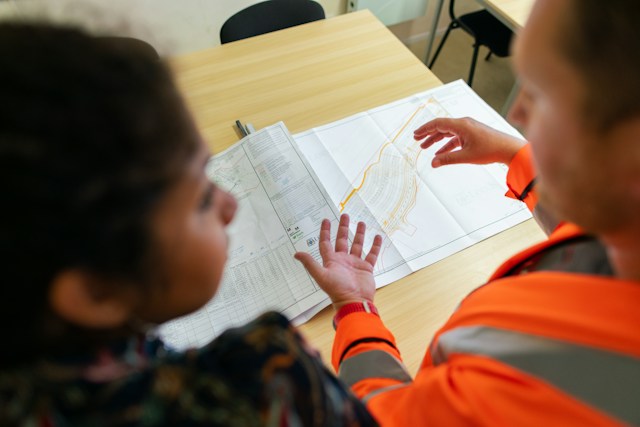
Small estimating errors can quietly turn a profitable building project into an expensive one. Extra material, repeat trips to suppliers, and crews waiting for missing items all raise the final cost. Accurate planning gives you a clearer picture of the work before it begins, helping you order sensible quantities and keep each stage moving. This applies to professional construction jobs, home renovations and smaller improvement projects where budgets and schedules leave little room for surprises.

The Real Cost of Material Waste
Material waste affects more than the amount shown on a supplier’s invoice. Someone must order, deliver, move, and store every item. Excess materials may also require disposal, while shortages can lead to emergency purchases at higher prices. These costs grow quickly across a large project.
Industry guidance on construction cost-saving strategies highlights the value of careful planning, supplier coordination, and waste reduction. For example, ordering 45 drywall sheets when the job requires 38 ties up money and creates seven sheets that need storage or another use. A rushed estimate that calls for only 34 sheets may be worse because the installer could lose hours waiting for the balance.
Track leftover quantities at the end of each job. This simple record shows where estimates regularly run high and helps improve future orders.
Planning for Project Success
Start with a clearly defined scope that lists room dimensions, surface areas, materials, and installation requirements. Confirm measurements before requesting prices or scheduling labor. If revised plans change a wall length or floor layout, update the material estimate immediately.
Contractors can use drywall and paint calculation tools to estimate common materials from project measurements. A calculator provides a useful starting quantity, but the final order should account for the room layout, product dimensions, and an appropriate waste allowance.
Break the project into phases and connect each order to the schedule. Drywall should arrive after framing and related inspections are complete; for example, paint should be scheduled close enough to finishing that it doesn’t occupy valuable storage space for weeks. This approach reduces clutter and limits the risk of damage.
Essential Tools for Accurate Planning
A tape measure, laser distance meter, and current set of drawings form the basic estimating toolkit. Record measurements in one shared location so the estimator, project manager and purchasing contact work from the same figures. Handwritten notes can help on-site, but transfer them to the project record before they’re lost or misread.
Digital takeoff tools and trade-specific calculators can convert dimensions into material quantities. Spreadsheets remain useful for comparing unit prices, package sizes, and supplier quotes. Include columns for the estimated amount, ordered amount, actual use, and remaining stock.
Photos add useful context. A measurement such as “12 feet” says little about corners, openings, or obstacles. A labeled photo can show why a wall requires extra cuts or why flooring installation may produce more offcuts. Keep file names specific so the crew can find them without searching through an entire camera roll.
Maximizing Efficiency for Better Margins
Compare estimated use with actual use after each phase. If a project required 12 gallons of paint instead of the estimated 15, record the coating type, number of coats, and wall condition. Those details make the result useful when pricing similar work.
Broader project cost reduction methods also include tighter scheduling and early risk identification. Coordinate deliveries with crew availability so materials don’t sit exposed or block working areas. Group compatible tasks to reduce setup and cleanup time, and confirm product availability before promising a start date.
Set a simple approval process for changes as well. A client request that adds two walls affects materials, labor, and the completion date. Documenting that change before work continues protects the budget and gives everyone a shared expectation.
The strongest margins often come from ordinary habits repeated on every job: verified measurements, timely orders, and accurate records. When the final count matches the estimate closely, the next project starts with better data and fewer avoidable costs.