
Business
How Faster Delivery Can Improve Ecommerce Customer Experience
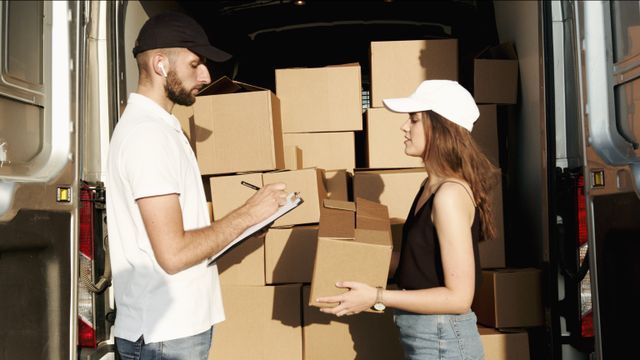
Fast delivery gives online businesses a practical way to reduce abandoned baskets, improve customer satisfaction and compete with larger retailers. Shoppers now judge the delivery experience as part of the purchase itself, so vague timeframes or slow fulfilment can undo the work you’ve put into product selection, pricing and marketing.
The good news is that faster delivery doesn’t require rushed decisions. It comes from setting clear promises, positioning stock carefully and building reliable processes from checkout to doorstep.
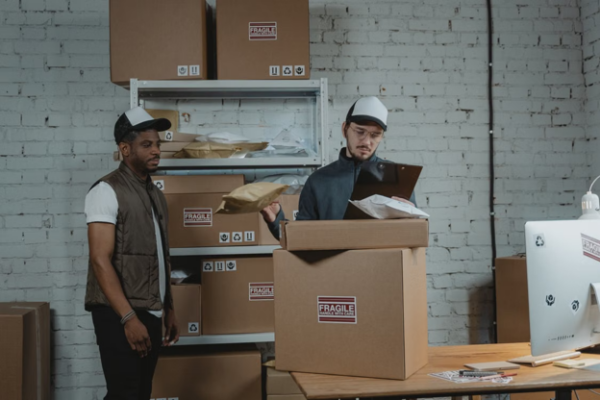
Customer Expectations Are Soaring
Customers have become used to seeing delivery dates before they pay. They want to know when an order will arrive and expect updates if anything changes. A broad estimate such as “three to ten business days” can make an otherwise appealing purchase feel uncertain.
Start by displaying realistic delivery windows on product pages and at checkout. Cut-off times should also be easy to find. If same-day delivery applies only to selected postcodes or orders placed before noon, state that clearly.
Speed matters most when timing is personal. Last-minute birthdays and seasonal purchases are common examples, as this guide to same-day delivery Christmas gifts shows. Clear promises help shoppers buy with confidence.
The Impact on Conversion Rates
A slow or unclear delivery offer can cause a customer to leave after they’ve already added an item to their basket. The cost of a weak delivery promise can include lost sales, lower repeat purchase rates and more customer service enquiries.
Review your checkout as a customer would. Check whether it shows a delivery date, shipping fee and order cut-off before payment. Then compare conversion rates across available delivery options. You may find that customers willingly pay a modest fee for certainty.
Businesses struggling with limited storage or increasing order volumes may reach a point where keeping inventory in-house makes fast fulfilment harder to manage. 3PL Warehousing can provide dedicated storage, real-time inventory tracking and streamlined picking, packing and dispatch, helping businesses process orders efficiently without expanding their own warehouse operations. This can be particularly useful when faster delivery becomes part of the customer promise.
Achieving Same-Day Delivery
Same-day delivery works best within a defined service area. Begin with postcodes where you already receive consistent order volumes, then set a cut-off that leaves enough time for picking, packing and carrier collection. A retailer might accept eligible orders until 11 am and target delivery that afternoon.
Inventory accuracy is critical. Selling an unavailable item creates delays before the parcel reaches a courier, so connect your online store to live stock records and schedule regular cycle counts.
Test the service with a small group of products that are easy to store and pack. Track the percentage delivered on time for several weeks before expanding the range or service area.
Operational Efficiency Matters
Fast shipping starts well before a driver collects the parcel. Poor shelf organisation, unclear picking instructions and inconsistent packaging can each add several minutes to an order. Across hundreds of daily purchases, those small delays quickly become missed cut-offs.
Store popular items near packing stations and use barcode scanning to reduce picking errors. Standard packaging sizes can also speed up packing and make delivery costs easier to predict. Set separate workflows for standard, express and same-day orders so urgent parcels are visible without disrupting every other shipment.
Monitor order processing time, picking accuracy and on-time dispatch. These measures reveal whether delays come from stock placement, staffing levels, order data or carrier handover.
Building Brand Loyalty Through Speed
Reliable delivery gives customers a reason to return because it removes uncertainty from their next purchase. Fast shipping and acquisition are closely connected, but retention depends on keeping the promise after that first order.
Send useful updates when an order is confirmed, dispatched and approaching delivery. If a delay occurs, tell the customer early and provide a revised timeframe. Honest communication often protects the relationship better than silence followed by an unexpectedly late parcel.
Review delivery performance by postcode, product type and carrier each month. If your same-day orders repeatedly miss one suburb’s target, adjust the service area or collection schedule. The real advantage is a delivery promise your business can keep consistently.