
Business
How to Make Event Technology Work for Better Experiences
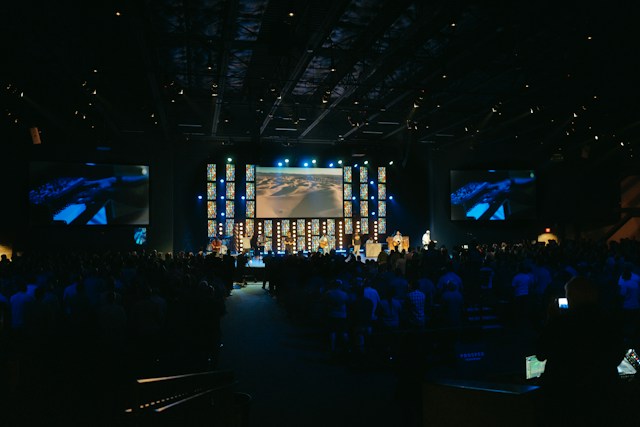
Event technology shapes how clearly people hear a message, how confidently presenters perform and how consistently an event represents its organisation. Yet strong results depend on far more than hiring screens, microphones and lighting. A strategic audiovisual partner connects technical decisions with the audience experience, venue conditions and business goals, giving your team a clear production plan from the first briefing through to the final session.

Tech is More Than Gear
Event technology works as an integrated system. Audio, video, lighting, staging, connectivity and presentation content must support one another, with every choice based on the venue and programme.
For example, a large screen may look impressive on a specification sheet but deliver poor value if sightlines block it for a third of the room. Similarly, a hybrid event needs more than a camera and an internet connection. Remote participants need clear audio, readable slides and a programme designed to hold their attention.
Start technical planning with three questions: What should the audience see, hear and do? Where could communication break down? What must remain consistent across every session?
Avoiding Common Pitfalls
Late technical decisions create avoidable costs. A venue may have limited power access, short set-up windows or restrictions on where equipment can be installed. Discovering these details on event day can force rushed changes and reduce rehearsal time.
Other common technical pitfalls include unclear responsibilities, incomplete presentation files and assumptions about what a venue supplies. Assign one person to approve technical changes and create deadlines for slides, videos and speaker notes.
Multi-location programmes add another layer of risk. Organisations running national or international events can use AV production for roadshows to coordinate technical details, presenter handovers, logistics and venue-to-venue consistency. One production plan helps prevent each location from feeling like a separate event.
The Value of an AV Partner
A capable AV partner turns your event brief into a workable production plan. They can review venue specifications, recommend suitable systems and identify conflicts before they affect the programme. During delivery, the production team also gives speakers a clear point of contact for rehearsals, microphones and presentation cues.
Look for a partner that asks detailed questions about the audience, content and event schedule. Their proposal should explain crew responsibilities, equipment choices, set-up times and contingency arrangements in plain language.
Communication also matters. Agree on how changes will be recorded, who can approve extra costs and when final technical checks will occur. For a conference starting at 9 am, that might mean completing the main rehearsal the previous afternoon and scheduling a shorter speaker check before doors open.
Future-Proofing Your Events
Future-proofing starts with flexible systems and reusable processes. Build presentation templates that work across different screen formats, record technical settings after each event and keep accurate notes about venue access, rigging limits and connectivity.
Consider how the programme could expand. An in-person seminar may later need live streaming, captions or translated content. Planning signal paths and content formats early makes those additions easier to manage.
Accessibility should also form part of the initial brief. Captions, hearing support and high-contrast slides can improve participation for many audience members. Ask how each feature will work in the actual room and online platform, then test it during rehearsal. A feature listed in a proposal has little value if attendees can’t find it or presenters don’t know how to use it.
Measuring Tech ROI
Measure event technology against defined outcomes. Useful indicators might include online viewing time, session attendance, audience survey scores, lead capture or the number of technical interruptions. An event management system can also help your team track event data and connect production decisions with wider organisational goals.
Collect operational data as well. Record how long set-up took, how many last-minute files needed correction and which support requests appeared most often. If poor audio generated 20 complaints at one event and none after a system change, the improvement is clear.
Review these findings with your AV partner while details remain fresh. The discussion should produce specific changes for the next event, such as an earlier content deadline, longer rehearsal period or revised camera position. The strongest measure of value is a production process that becomes more reliable each time your team uses it.
A strategic partner should leave you with more than a successful show day. You should also gain clearer technical records, tested workflows and practical evidence that guides the next event budget.