
Business
Cultivating Success: Mindset Lessons from Agriculture

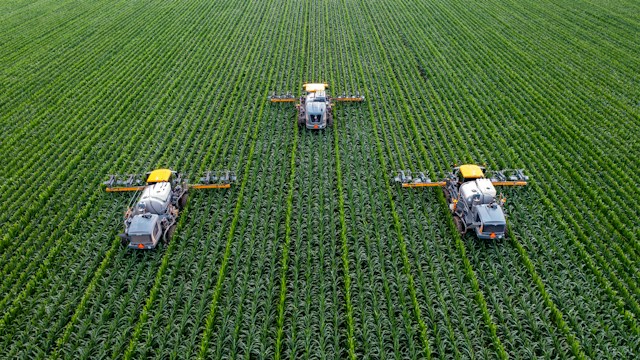
Agriculture offers practical lessons for anyone trying to build a business, reach a personal goal, or create a healthier daily routine. Crops and companies both require patience, regular attention, and the ability to adjust when conditions change. Results rarely arrive on demand. They grow from decisions made months or even years earlier, which makes an agricultural mindset useful far beyond the farm.
The Long Game in Business
A farmer doesn’t plant on Monday and expect a harvest by Friday. Business growth follows a similar timeline. A new service may need several months to gain traction, while investments in staff, systems, or customer relationships can take years to show their full value.
Set milestones that measure progress before revenue catches up. These might include repeat inquiries, shorter production times, or higher customer retention. Long-term thinking also encourages leaders to consider how physical spaces affect people. The profile of Diana Ulis at Admire Capital, for example, examines wellness features built into residential design. Such choices show how early planning can shape an experience long after construction ends.
Resilience in Uncertain Times
Weather can change quickly, and so can customer demand, material costs, and staffing needs. Resilient organizations prepare for several possible outcomes before trouble arrives. Guidance on business resilience principles highlights leadership, communication, and adaptable planning as key areas of focus.
Start by identifying the three disruptions most likely to affect your work. For a small retailer, those could be a delayed shipment, a sudden sales decline, and the loss of a key employee. Write a basic response for each situation, name the person responsible, and review the plan every quarter. Keep enough cash available to cover essential expenses during a slow period. Preparation won’t remove uncertainty, but it can prevent one difficult week from becoming a lasting crisis.
Strategic Planning for Growth
Agricultural planning connects each season to the next. Soil care influences future yields, equipment purchases affect operating costs, and today’s planting decisions shape tomorrow’s workload. A useful business plan creates the same continuity.
Choose one to three priorities for the next 12 months and assign a measurable result to each. “Improve customer service” is too broad. “Reduce average response time from two days to eight hours by June” gives the team a clear target. Break that result into monthly actions and check progress on a fixed schedule. This article on how strategic planning guides change explains why a clear plan helps leaders keep people focused during transitions. Leave some room in the budget and calendar for changing conditions.
Learning from Industry Leaders
Experienced growers pay attention to field results, market reports, and lessons shared by other producers. Business owners can use the same habit. Look for leaders who explain both successful decisions and costly mistakes, then consider which ideas fit your own circumstances.
Industry publications, trade events, and local business groups can reveal patterns that aren’t obvious from inside one organization. Financial advice for farms is also useful across many small businesses because both often face seasonal revenue and unpredictable costs. Michigan State University Extension’s guidance on financial success in uncertainty recommends examining costs and preparing budgets based on realistic expectations. When studying another leader’s approach, record the context, resources, and timeline behind the result before adapting it.
Sustainable Practices for Life
Sustainability depends on caring for the resources that make future work possible. In agriculture, that includes soil, water, and labor. In daily life, your resources include time, attention, health, and relationships. Constant overwork may produce a short burst of output, but it can reduce judgment and creativity over time.
Build recovery into the schedule as deliberately as you schedule meetings. Protect regular sleep, take brief breaks during concentrated work, and create at least one period each week without routine business tasks. Review commitments every month and remove work that no longer supports a meaningful goal. A sustainable pace leaves enough capacity to respond when a customer needs help or an unexpected expense appears.
The agricultural calendar offers a fitting final reminder: every season has a purpose. Some periods are meant for visible growth, while others support maintenance, review, and preparation. Respecting those cycles can help you build success that lasts through more than one good season.
Wine production can reflect local traditions, grape varieties, and the choices made during fermentation. Natural wine https://morsowinebar.com/ is typically created with limited intervention, often using organically grown grapes and native yeasts. The final taste may be light and refreshing or rich and complex. Its growing popularity reflects interest in traditional craftsmanship, environmentally conscious farming, and distinctive beverages shaped by their origins and production methods.