
Business
The Hidden Cost of Delayed Commercial Building Repairs
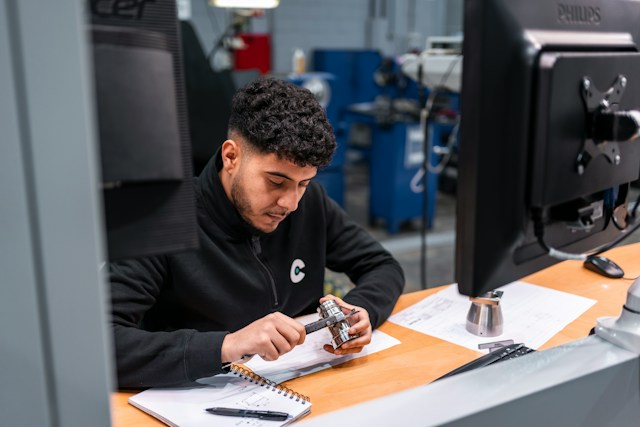
A delayed repair rarely stays the same size or price. A loose door component, small roof leak or struggling HVAC motor can damage nearby systems, interrupt daily operations and create safety concerns. The first repair estimate may look manageable, yet the full cost rises once labor, damaged inventory and lost business enter the calculation.
Commercial building maintenance works best when managers treat early warning signs as business data. Service records, inspection results and employee reports can show where money is likely to be lost before a failure disrupts the property.

Small Glitches Turn Into Costly Disasters
Minor building defects often set off a chain of damage. Water entering through a small roof opening can soak insulation, stain ceilings and support mold growth. A commercial door that drags against its track can strain its motor and damage rollers. An HVAC unit with a clogged drain may eventually cause water damage in occupied rooms.
The financial gap between prompt service and deferred work can be significant. One discussion of the costs of deferred maintenance illustrates how a relatively inexpensive repair can develop into a much larger project after the surrounding building materials deteriorate.
Create a simple reporting process so employees can document unusual noises, leaks, odors and changes in equipment performance. Reports should include the date, exact location and a photo when possible. Assign one person to review new entries each week and decide which issues need immediate attention.
Prioritize defects that involve water, electricity, access points or life-safety systems. Cosmetic work can often wait for a planned improvement cycle, but active leaks and unreliable doors need faster action. If a loading-area door begins closing unevenly on Monday, scheduling an inspection that week may prevent damaged hardware, delivery delays and a complete closure later in the month.
Keep repair estimates even when you postpone nonurgent work. Those figures give you a starting point for future budgets and help you see how long an issue has remained unresolved.
Preventive Care Extends Equipment Lifespans
Mechanical equipment lasts longer when technicians can clean, adjust and replace worn parts before major components fail. Preventive maintenance also gives you more control over scheduling. A planned two-hour service visit creates far less disruption than an emergency response during a busy delivery window.
Start with equipment that moves, heats, cools, pumps or controls building access. Manufacturer guidance should shape the service interval, but actual operating conditions matter too. A door that cycles hundreds of times each day may need attention more often than a lightly used one. Dust, humidity, salt air and extreme temperatures can also increase wear.
Facility teams in Palm Beach County can contact Paratec for commercial garage door installation, repair and maintenance as well as loading dock solutions and emergency service. A qualified technician can identify alignment problems, damaged components and automation issues that may not be obvious during a basic visual check.
The broader dangers of deferred maintenance include higher operating expenses, compliance concerns and shortened asset life. Track maintenance dates and findings in one shared system to reduce those risks. Each record should list the asset, work completed, parts replaced, technician and recommended follow-up date.
Use inspection results to adjust the schedule. Repeated wear between planned visits may show that the service interval is too long or that the equipment no longer suits its workload.
Unplanned Downtime Destroys Profit Margins
Repair invoices show only one part of a breakdown’s cost. Unplanned downtime can leave employees waiting, prevent customers from entering certain areas and stop shipments from moving. Managers may also pay overtime, rush delivery charges or emergency service rates while trying to restore normal operations.
Consider a distribution business with a loading area that processes 20 deliveries each day. If equipment failure closes one access point for eight hours, drivers may wait longer or move to another entrance. Employees then spend paid time redirecting traffic and reorganizing inventory. Delayed shipments could also lead to missed customer commitments.
The true cost of deferred maintenance highlights how neglected work can affect productivity, safety and long-term capital needs. To understand your own exposure, calculate downtime costs for critical assets before they fail. Include hourly payroll, average sales per hour, temporary equipment rental and any contractual late fees.
Next, classify each asset according to operational impact:
- Critical assets stop core operations when they fail
- Important assets reduce capacity or customer service
- Noncritical assets have a limited short-term effect
Give critical assets faster approval paths and keep current vendor contact information available to more than one manager. When only one person knows whom to call or where service records are stored, a breakdown can last longer than the repair itself.
After each incident, record the total outage time and secondary expenses. Those numbers help justify future preventive work with evidence from your own property.
Insurance Penalties for Deferred Upkeep
Insurance generally covers sudden losses that fall within the terms of a policy. It may not cover deterioration, neglected maintenance or damage that develops gradually. Exact coverage depends on the contract and circumstances, so property owners should review exclusions and maintenance obligations with their insurance professional.
Poor upkeep can also affect inspections, underwriting decisions and future premiums. Repeated water claims, damaged walkways or outdated service records may suggest that the property presents a higher risk. An insurer could request corrective work, adjust terms or decline to renew a policy. Documentation helps show that you found problems and responded within a reasonable period.
Exterior conditions deserve attention because they affect drainage, visibility and safe access. Delayed grounds work can create its own commercial maintenance costs, particularly when overgrowth hides damage or poor drainage sends water toward the building. Keep vegetation away from walls, drains and mechanical equipment and correct standing water near entrances.
Store inspection reports, paid invoices, dated photographs and service agreements in a secure digital folder. Use clear file names that identify the property, asset and date. If an incident occurs, this history can establish what your team observed and how it responded.
Review the property after major storms, extended vacancies and tenant changes. These events can reveal roof damage, drainage problems or altered equipment use that the regular schedule doesn’t address.
Build a Proactive Maintenance Budget
A useful maintenance budget separates routine service, expected replacements and emergency reserves. Combining everything into one general line item makes it difficult to tell if daily repairs are consuming money intended for major equipment.
Begin with an asset inventory. List each roof section, HVAC unit, commercial door, plumbing system, electrical panel and exterior feature. Record the installation date, condition, warranty details, expected service life and estimated replacement cost. If records are incomplete, ask technicians to estimate age and condition during the next visit.
Then review the previous 12 to 24 months of invoices. Group spending by asset and type of work. Three service calls for the same aging motor may support replacement, especially if another failure would stop operations. A newer unit with one minor adjustment may only need closer monitoring.
Schedule funds according to timing:
- Monthly expenses may include cleaning, inspections and small adjustments
- Quarterly or seasonal expenses may include HVAC service, drainage checks and exterior care
- Annual expenses may include testing, roof inspections and larger planned repairs
- Reserve funds should cover urgent failures that can’t wait for the next budget cycle
Assign a target month and estimated amount to every planned project. Review the figures quarterly because equipment condition, labor prices and business activity can change during the year. When funds are limited, direct them first to issues that could harm people, expose the building to water or stop revenue-producing work.
A budget becomes more accurate with every completed service record. Over time, you’ll know which assets consume the most money, which vendors respond reliably and which replacements should move onto next year’s capital plan. That record turns a surprise repair into a scheduled business expense before a minor defect closes a door, floods a room or interrupts a full workday.