
Business
Renovate or Rebuild? How to Make the Right Decision for Your Business Property
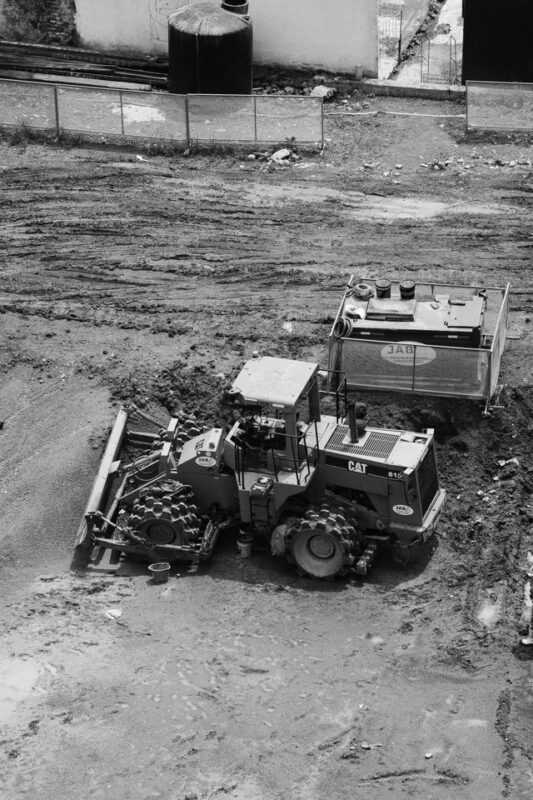
A business property can support growth or quietly hold it back through high operating costs, frequent repairs, and an awkward layout. When those problems pile up, owners often face two options: renovate the existing structure or clear the site and build again. The best choice depends on more than the initial price. You’ll need to consider the building’s condition, future operations, project risks, and the value of staying in the same location.
Analyze the Cost of Retrofitting
Start with a detailed building assessment from qualified structural, mechanical, and environmental professionals. Their findings should show whether the foundation, roof, electrical system, and heating and cooling equipment can support another 15 to 30 years of use.
Next, prepare a renovation budget that includes design fees, permits, temporary workspaces, and lost productivity. Older properties often reveal hidden problems after work begins, so include a contingency allowance. Careful construction project planning can help you estimate material needs, reduce waste, and avoid scheduling problems before work begins. The principles in this renovate or rebuild guide focus on homes, but its advice about structural limitations and long-term goals also applies to business properties.
Compare that full estimate with replacement costs, not only the contractor’s base quote. A renovation that appears cheaper may lose its advantage after code upgrades and phased construction are included.
When Tearing Down Makes Financial Sense
Replacement may offer better value when structural repairs consume a large share of the renovation budget or the existing footprint cannot support planned operations. For example, a distribution business may need higher ceilings, wider loading areas, and stronger floors. Altering an outdated property to meet those needs could require extensive structural work.
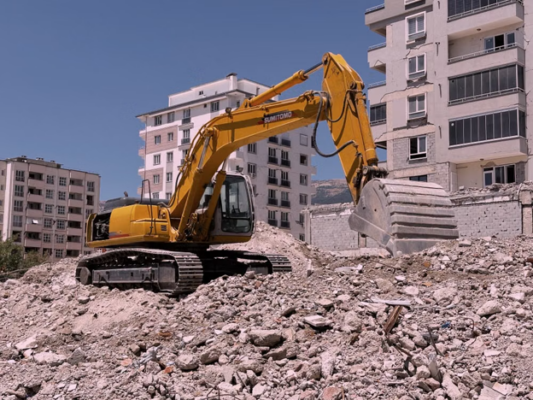
If replacement becomes the practical choice, consult a demolition contractor during early cost planning. Commercial and industrial projects may involve site assessment, permitting, hazardous material handling, debris removal, and site clearing. Those items affect both the budget and the schedule.
Land value also matters. A well-located site can justify rebuilding because the new property may improve rental income, productivity, or resale potential without requiring the business to relocate permanently.
Workflow Efficiency in Brand-New Builds
A new commercial building lets you design around the way your team works now. Offices can sit near shared resources, production areas can follow the actual sequence of tasks, and storage can be placed where employees need it. These decisions may reduce unnecessary walking, product handling, and delays every day.
New construction also creates an opportunity to select efficient lighting, insulation, and mechanical systems from the start. Ask the design team to model operating costs for several options instead of focusing only on installation prices.
Even though this renovation versus rebuilding overview addresses residential projects, its discussion of customization and future needs offers a useful planning lesson. Create a five- to 10-year forecast for staffing, equipment, and customer demand before approving the floor plan.
Make the Final Strategic Decision
Put both options into a side-by-side model that covers construction, professional fees, financing, temporary relocation, and expected operating costs. Use the same evaluation period for each choice, such as 15 or 20 years. Include likely maintenance expenses and the estimated value of the finished property.
Schedule risk deserves its own review. Renovations can uncover structural damage or outdated systems, while new construction can face site preparation and approval delays. Ask each project team to identify its three biggest uncertainties and estimate the cost of each one.
Your final choice should support a clear business plan. If the current structure is sound and adaptable, renovation may preserve capital and shorten the project. If the building limits output or efficient daily work, rebuilding may create more lasting value. Before signing a contract, confirm the scope, contingency fund, and operational plan in writing so the property decision supports the next stage of the business.