
Business
Why Facade Maintenance Matters for Commercial Properties

A commercial building’s facade can influence revenue, repair costs, and long-term asset value well before visible damage becomes severe. Stained surfaces, failed sealants, and loose exterior materials may signal deferred maintenance to tenants and visitors. Small defects can also let moisture reach hidden building components, turning a manageable repair into a major project. A planned facade upkeep program helps owners identify those issues early, coordinate work efficiently, and maintain accurate records for future capital planning.
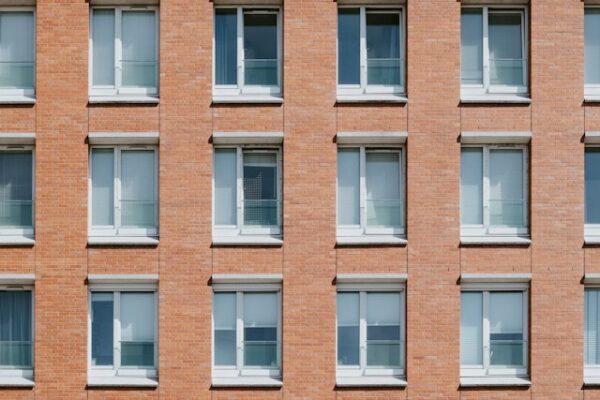
Curb Appeal and Tenant Retention
Tenants experience the exterior before they enter a lobby, office, or retail space. Clean glazing, consistent finishes, and well-maintained entrances reinforce the impression that management pays attention to the whole property. Practical curb appeal tips often focus on landscaping and paint, but facade condition deserves equal attention on a commercial site.
Schedule visual reviews at least twice a year and after severe weather. Photograph staining, cracked coatings, damaged signs, and deteriorating joints from the same locations each time. This creates a simple condition history that helps managers distinguish a new problem from an old cosmetic mark. Addressing prominent defects before lease tours or renewal discussions can also support stronger tenant confidence.
Preventing Costly Exterior Water Intrusion
Water often enters through small gaps around windows, failed sealant joints, cracked masonry, or poorly sealed penetrations. Interior symptoms may appear several floors away from the original opening, which makes investigation difficult. Moisture can damage insulation, ceiling finishes, and electrical components while encouraging mold growth in concealed spaces.
Managers should record when leaks occur, including wind direction and rainfall intensity, then compare those notes with exterior inspection findings. On tall or complex buildings, rope access building maintenance can give certified technicians direct access to facade areas for inspection, cleaning and repairs without covering the full elevation in temporary structures. Promptly testing suspected joints and completing targeted repairs can prevent repeated interior restoration costs.
Modern Alternatives for Multi-Story Upkeep
Traditional access systems remain suitable for projects involving extensive material replacement or months of continuous work. Shorter inspections and localized repairs may call for a more flexible option. Building managers can compare access methods based on project duration, the number of work locations, public access below, and disruption to entrances or loading areas.
Start with a marked elevation drawing that identifies every work zone. Ask contractors to explain how they’ll isolate areas below, protect occupants, and document completed repairs. Close-up photographs taken before, during, and after the work provide evidence of what was found and how it was corrected. This documentation is particularly useful when several similar joints or panels may need attention during future maintenance cycles.
Long-Term Capital Expenditure Planning
Facade upkeep becomes easier to fund when it forms part of a multi-year capital plan. A condition assessment can separate urgent safety concerns from repairs that should occur within one to three years and cosmetic work that can wait longer. This prevents every exterior issue from competing for money at the same time.
The value of preventive maintenance also extends to scheduling. Owners may combine window sealing, exterior cleaning and coating repairs into one access program, reducing repeated setup costs. Keep inspection reports, warranties, invoices and photographs in a central property record. Review that material during annual budgeting and update cost allowances as defects develop, contractor rates change, or exterior systems approach the end of their expected service life.
Facade records also improve conversations with insurers, lenders and prospective buyers because they show when work occurred and which areas remain under observation. A buyer who sees dated inspection photos and closed repair items has clearer evidence of responsible management than one who receives only recent invoices.
The most useful upkeep schedule is tied to the building’s actual materials and exposure. Set the next inspection date before closing the current work order, then carry unresolved items directly into the capital forecast. That simple administrative step keeps minor exterior defects from disappearing until the next leak or tenant complaint.